
Beautiful Plants For Your Interior
Beautiful Plants For Your Interior
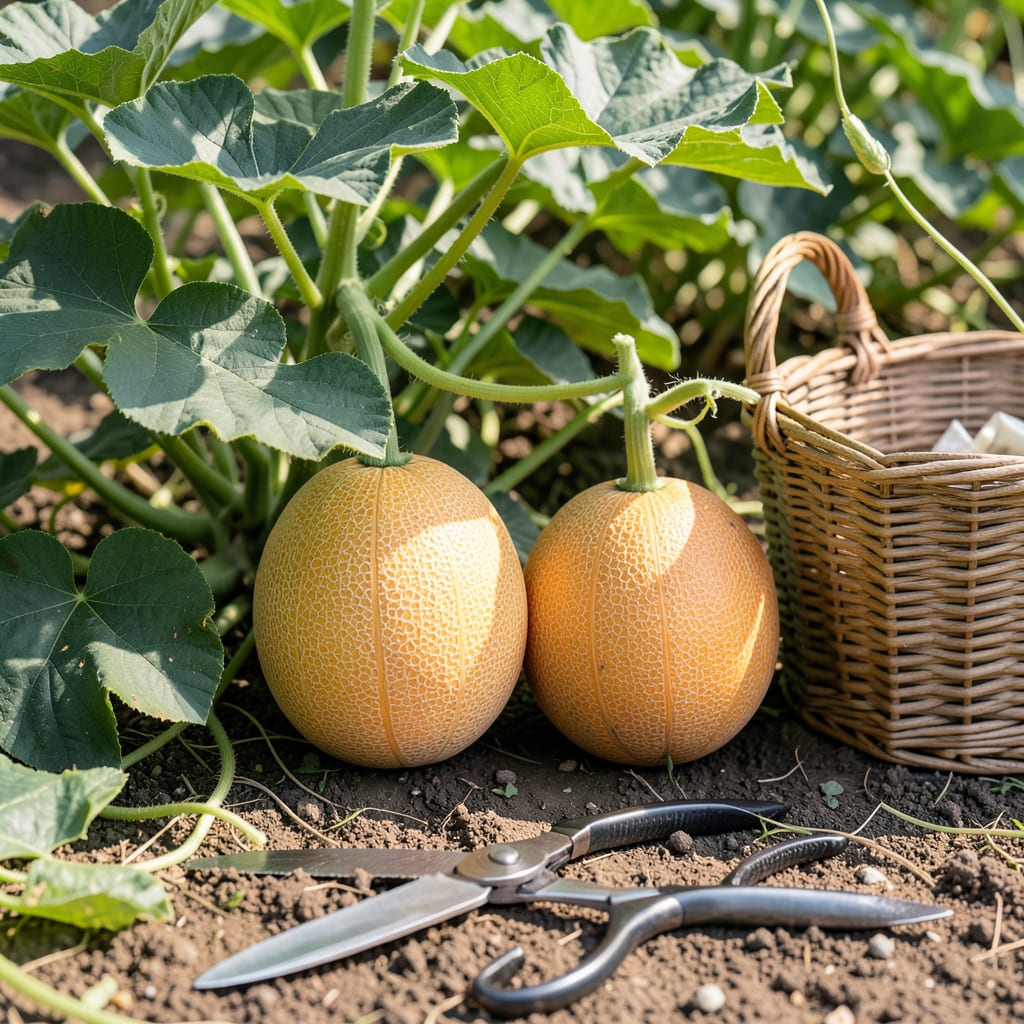
Picking a 🍈 Cantaloupe at the perfect moment ensures sweet, juicy fruit. Harvest too soon or too late, and you’ll miss out on peak flavor.
Knowing the subtle signs of ripeness can make the difference. I’ll show you exactly when your Cantaloupe is ready to come off the vine.


I always check the netting pattern first—when it turns from green to beige or tan, the melon is getting close. This color shift signals that the sugar content is developing under the rind. It’s a visual cue you can spot from a few feet away in the garden.
The most reliable sign I look for is the stem slip test. A ripe cantaloupe will naturally detach from the vine with minimal effort. If it doesn’t budge, it needs more time. This happens because the abscission layer forms at the base of the stem when mature.
| cell” style=”padding:10px 15px;vertical-align:top;border:1px solid #e0e0e0;background-color:#f7f7f7;color:#333;font-weight:600″>Description | |
| row”> | cell” style=”padding:10px 15px;vertical-align:top;border:1px solid #e0e0e0;background-color:#fff;color:#333″>Easily detaches from vine |
| row”> | cell” style=”padding:10px 15px;vertical-align:top;border:1px solid #e0e0e0;background-color:#fff;color:#333″>Netting becomes pronounced |
I also examine the blossom end of the cantaloupe—the opposite side from the stem. When ripe, it should yield slightly to gentle pressure, similar to a ripe avocado. But be careful not to press too hard, or you might bruise the fruit.
The rind texture is another telltale indicator. As the cantaloupe matures, the netting pattern becomes more defined and raised. This textural change is a great visual confirmation that the fruit is nearing harvest time.
I’ve found that the color under the netting is just as important as the netting itself. A ripe cantaloupe will have a golden or cream background color beneath the net, not green. This is a sign that the chlorophyll is breaking down as the fruit ripens.
For varieties like Hale’s Best or Athena, the color change is especially noticeable. These heirloom types often develop a more uniform beige hue when ready, which makes them easier to spot in the garden.
I always recommend checking multiple signs before harvesting. A cantaloupe might show color changes but not yet have the stem slip. Waiting for both ensures you’re picking at the peak of sweetness and not a day too soon.
In my experience, the morning hours are ideal for harvesting cantaloupe. The fruit is at its firmest and coolest, which helps preserve its freshness during and after picking. I use clean, sharp pruning shears if the stem doesn’t slip easily.
Finally, I pay attention to the overall appearance of the plant. If the vine is healthy with plenty of foliage, the fruit is more likely to have reached its full potential. A stressed plant can sometimes produce melons that look ripe but lack the expected sweetness.
By combining these visual signs with other ripeness tests, I consistently harvest cantaloupes that are perfectly sweet and juicy every time. 🌱
The scent test is one of my favorite ways to confirm ripeness. At the blossom end, a ripe cantaloupe will emit a sweet, musky aroma that’s hard to miss. If there’s no smell, it’s not ready yet.
For the sound test, I gently tap the melon with my knuckles. A ripe cantaloupe will produce a deep, hollow sound, while an unripe one will sound dull or solid. Practice on a few to train your ear for the difference.
Ripeness Tests for Cantaloupe
I often combine the scent test with the pressure test. The blossom end should give slightly when pressed, but don’t use your fingertips—use the palm of your hand to avoid bruising.
A common mistake I see is harvesting too early based on size alone. A large cantaloupe isn’t necessarily ripe. I always wait for at least two signs of ripeness before picking, like aroma and stem slip. 🌱
If the weather is hot and dry, cantaloupes may mature faster. In cooler climates, they might take a few extra days. I keep an eye on the forecast and adjust my harvest timing accordingly.
Finally, I recommend testing a melon or two as they near maturity. This helps me fine-tune my judgment for the rest of the harvest season. With practice, you’ll develop a knack for picking them at the perfect moment.
By using these scent and sound tests, I ensure every cantaloupe I harvest is at its peak flavor and juiciness. ✂️
Timing your cantaloupe harvest depends on both the variety and your growing conditions. Most standard types like Hale’s Best or Athena typically mature in 75–85 days after planting. This range can shift based on temperature and care.
In warmer climates with consistent sun and well-draining soil, cantaloupes may reach harvest readiness a few days sooner. Cooler regions or shaded areas can extend the timeline by up to 10 days. Always monitor the fruit closely as it approaches maturity.
🌱 Pro Tip
Most cantaloupe varieties are ready to harvest 75–90 days after planting. Hot, dry weather can speed up ripening, while cool, wet conditions may delay it.
I’ve noticed that drought-stressed plants often produce cantaloupes that mature faster but may lack sweetness. To avoid this, I maintain consistent moisture throughout the growing season, especially during fruit development. A drip irrigation system works wonders for even watering.
For gardeners in USDA zones 4–6, starting seeds indoors can help ensure the fruit has enough time to mature before the first frost. In zones 7–9, direct sowing after the last frost date usually provides a long enough growing window for a successful harvest.
No matter your location, I recommend keeping a garden journal to track the days from planting to harvest. This helps refine your timing for future seasons. With attention to variety traits and local conditions, you’ll nail the perfect harvest window every time. 🌿
A green rind or a stem that won’t slip from the vine means it’s not ready. The netting won’t be pronounced, and there’ll be little to no sweet aroma at the blossom end.
It’s best to wait for full ripeness. Unlike some fruits, cantaloupes don’t continue ripening after picking. Harvesting too early results in bland, underdeveloped flavor.
Harvest in the cool morning hours for the best flavor and texture. The fruit is firmest then, and the sugars are most concentrated.
Most varieties take 75–90 days from planting to harvest. This can vary slightly based on weather conditions and the specific type you’re growing.
