
Beautiful Plants For Your Interior
Beautiful Plants For Your Interior
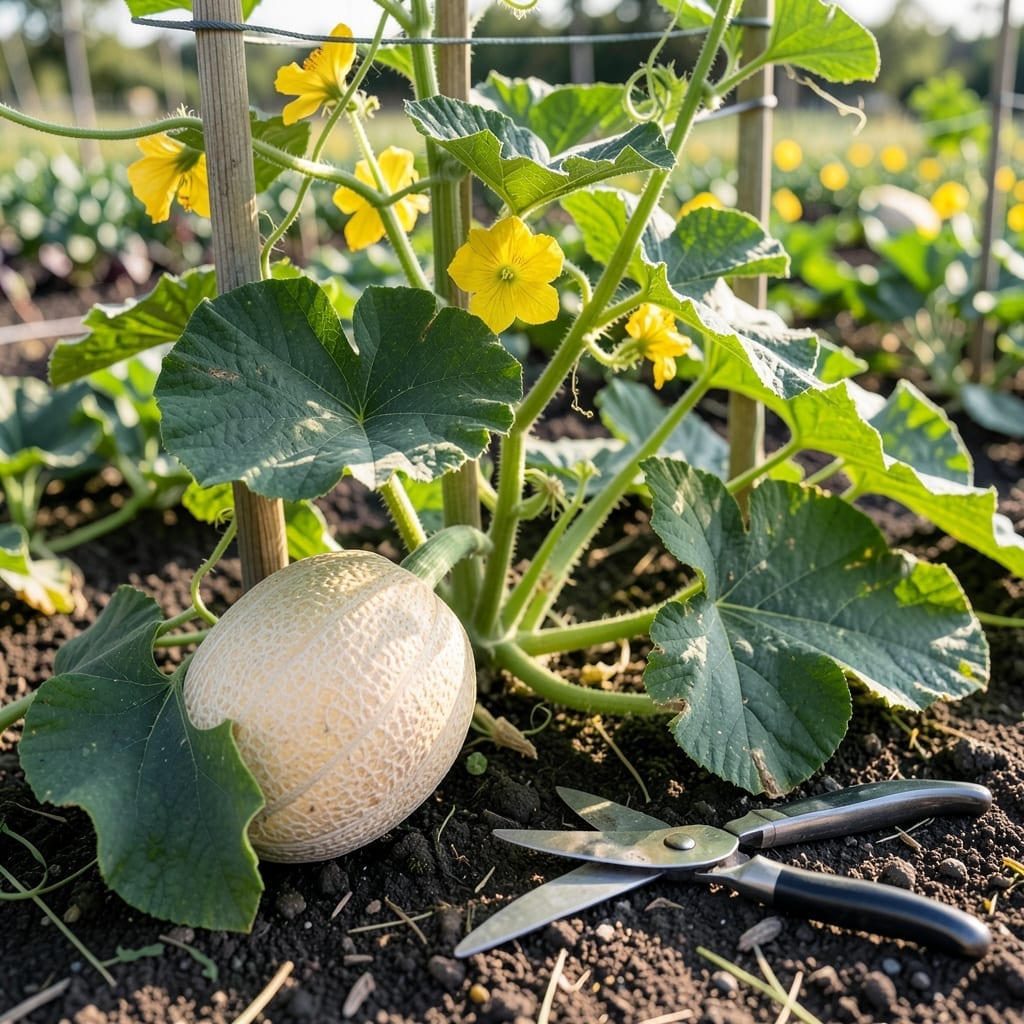
Nothing beats the sweet, juicy flavor of a perfectly ripe 🍈 cantaloupe straight from the garden. I remember my first taste of a homegrown one – it was a game-changer compared to store-bought.
Timing is everything with this fruit. You want to plant those seeds when the soil is warm enough, typically in spring, and harvest when the fruit is at its peak.
Discover the ideal windows for planting and picking cantaloupe, so you can enjoy that fresh, sun-ripened taste all season long.
If you’re growing cantaloupe in your garden, timing is everything. The peak season varies across the US due to climate differences. Warmer regions enjoy earlier harvests, while cooler areas need to wait.
In the Southwest and Southern states, cantaloupes often ripen by early June. Northern gardeners typically see their first fruits in late July or August. This variation means you’ll need to adjust your planting schedule.
| Region | Planting Window | Harvest Period |
|---|---|---|
| Southwest | March – April | May – July |
| South | April – May | June – August |
| Midwest | May – June | July – September |
| Northeast | May – June | August – October |
| Pacific Northwest | May – June | August – September |
I always remind fellow gardeners that soil temperature is critical. Cantaloupes need at least 60°F soil to germinate properly. If you plant too early in cooler climates, the seeds may rot before sprouting.
For those in USDA zones 6-7, aim to plant after the last frost date, usually around mid-April. In zones 8-10, you can start as early as March. This ensures your plants have enough warm days to mature.
The growing season for cantaloupes is typically 70-90 days. Short-season varieties are perfect for cooler regions. I’ve had success with ‘Ambrosia’ and ‘Hale’s Best’ in my garden.
In hot climates, like Arizona or Texas, you might get two harvests per year. Plant the first crop in early spring and a second in late summer for a fall harvest.
If you’re unsure about your region’s frost dates, check with your local cooperative extension office. They provide hyper-local advice tailored to your area’s microclimate.
Remember, consistent watering is key during the growing season. Cantaloupes have deep roots, so water deeply but infrequently to encourage strong growth.
By understanding your local climate and choosing the right varieties, you can enjoy sweet, homegrown cantaloupes all season long ☀️
Picking cantaloupe at the perfect moment ensures the best flavor. I check for visual cues first, like the rind color changing from green to beige or tan underneath the netting.
The stem slip is another key indicator. When the fruit is ready, the stem will detach cleanly from the vine with just a gentle tug. If it doesn’t budge, it’s not ripe yet.
I also rely on the aroma test. A ripe cantaloupe will have a sweet, musky fragrance at the stem end. If there’s little to no smell, it’s not ready.
The netting texture should be well-defined and slightly raised. Immature fruits often have a smoother rind. This netting is a sign of maturity.
Finally, give it a gentle tap. A ripe cantaloupe will produce a hollow sound. If it sounds dull or solid, it likely needs more time on the vine.
I’ve found that checking these five signs together gives the most accurate results. Once you’ve confirmed ripeness, harvest immediately for the best taste and texture 🌱