
Beautiful Plants For Your Interior
Beautiful Plants For Your Interior
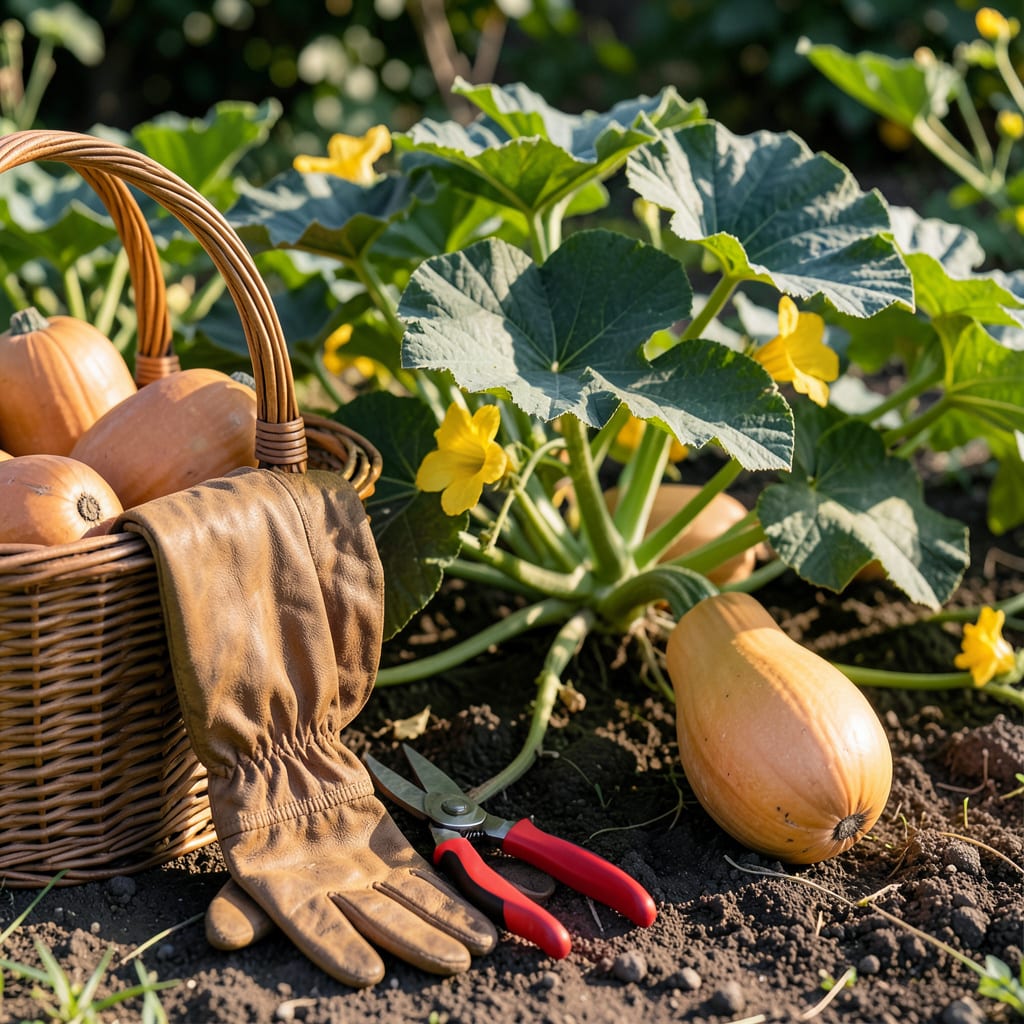
There’s nothing worse than cutting into a butternut squash you’ve nurtured for months—only to find it underripe or overgrown. That perfect moment between tough skin and peak sweetness? It’s easier to spot than you think.
After testing countless harvests in my own garden, I’ve narrowed it down to 5 foolproof signs that tell you your 🎃 butternut squash is ready. No guesswork, no wasted effort—just the confidence to pick at exactly the right time. Here’s what to look for before you reach for those pruners.


Nothing beats the satisfaction of plucking a perfectly ripe butternut squash from the vine. But how do you know it’s truly ready? Unlike tomatoes or peppers, squash doesn’t give obvious color shifts—so I rely on five foolproof visual cues to nail the timing every season.
First, forget the calendar. While most varieties mature in 80–100 days, your squash might speed up in hot weather or lag in cooler climates. Instead, I check the skin, stem, size, color, and vine—these never lie. Let’s break down each sign so you can harvest with confidence.
I always start with the thumbnail test—it’s the quickest way to rule out underripe squash. If your nail leaves a mark, give it 3–5 more days of sunshine. Check again after a warm spell; heat accelerates ripening.
The stem’s condition is my secret weapon. A green, flexible stem means the squash is still feeding. Once it’s dry and cracks where it meets the fruit, the squash has self-sealed for storage. Never twist the fruit off—use pruning shears to leave a 1-inch stem.
Size matters, but don’t obsess over it. A smaller butternut (8–10 inches) can be ripe if the skin is hard. Conversely, a monster squash might look impressive but taste fibrous. Aim for the Goldilocks zone: firm, heavy for its size, and dull-colored.
Here’s a trick I learned the hard way: Frost is your enemy. If temperatures dip below 50°F (10°C), harvest immediately—even if the squash isn’t fully ripe. Frost damages the skin, ruining storage potential. In cool climates, I cover immature squash with floating row covers to buy extra time.
Finally, trust the vine’s signals. When the leaves closest to the fruit yellow and crisp, the plant is done nourishing that squash. This is especially helpful for ‘Waltham’ or ‘Ultra’ varieties, which can hide their ripeness behind thick foliage. Part the leaves gently to inspect the stem.
Still unsure? Harvest one test squash and cure it (store at 80–85°F for 10 days). If the flesh is sweet and firm, the rest are ready. If it’s bland or watery, wait a week and test again. Patience pays off with caramelized, nutty flavor that store-bought can’t match.
Remember: A perfectly ripe butternut squash will keep for 3–6 months in cool, dry storage. Rush the harvest, and you’ll get weeks—not months—of shelf life. When in doubt, wait it out! 🪴
Timing your harvest wrong can turn months of gardening into a disappointment. I’ve seen underripe butternut squash with pale, watery flesh that lacks sweetness—no matter how long you cure it. On the flip side, leaving it too long risks stringy texture and overgrown seeds that dominate the flesh.
An early pick means the sugar content hasn’t fully developed, leaving your squash bland and mealy. The skin will also stay soft, making storage nearly impossible. Wait too long, and the vine connection weakens, inviting pests or rot before you even get it inside.
If you’ve already picked too early, don’t toss it! Try curing in a sunny spot for a week—this can coax out a bit more sweetness. For overripe squash, focus on roasting or puréeing to mask texture issues. Prevention is key: check vines daily once squash reaches full size (about 10–12 inches).
The golden window for harvesting lasts about 10–14 days. I mark my calendar at 85–90 days after planting to start daily inspections. Look for the stem drying and skin hardening first—these are your most reliable clues, even if the color lags slightly.
In cooler climates, watch the first frost date like a hawk. Butternut squash can handle a light frost, but a hard freeze will ruin the flesh. If frost threatens and squash isn’t fully ripe, harvest anyway and cure indoors. It’s better than losing the whole crop to cold damage.
Remember, size isn’t everything. A smaller butternut with a hard, dull skin and dry stem is ready, while a giant one with a green stem isn’t. When in doubt, use the thumbnail test: press gently—if it resists, it’s time. If it dents, wait another week.
Your patience will pay off with squash so sweet it tastes like candy. Trust the signs, not the calendar, and you’ll nail that perfect harvest every time. 🎃
While the visual signs we covered earlier are your best guide, knowing your region’s typical timeline helps you start checking at the right time. Butternut squash generally needs 80–100 days from planting to harvest, but climate plays a huge role in that schedule.
In my Zone 6 garden, I start planting after the last frost (around May 15) and expect harvests by late August. But if you’re in a cooler zone, you’ll need to adjust. Let’s break down what to expect based on where you live—and how to work with your climate, not against it. 🌡️
| Region | Planting Window | Days to Maturity | Harvest Timeframe | Frost Considerations |
|---|---|---|---|---|
| Cool (Zones 3-5) | Late May–early June | 90–100 days | Early–mid September | Harvest before first frost (use row covers to extend season) |
| Moderate (Zones 6-8) | Mid-April–May | 80–90 days | Late August–early October | Watch for early frosts; harvest by mid-October |
| Warm (Zones 9-11) | February–March | 75–85 days | May–July | Heat may speed maturity; provide afternoon shade |
If you’re in a short-season area (like Zone 4), start seeds indoors 3–4 weeks before your last frost date. I’ve had success with ‘Early Butternut’ varieties that mature in just 75 days. Use black plastic mulch to warm the soil and give your plants a head start.
For those in hot climates (Zones 9+), watch for sunburn on developing squash. A light shade cloth (30% density) during peak afternoon heat prevents scalding while still allowing those 6+ hours of sun they crave. Harvest may come earlier here, but the thumbnail test remains your best friend.
No matter your zone, always count backward from your average first frost date. Butternut squash needs 1–2 weeks of curing post-harvest, so I aim to pick by early October in Zone 6. If frost threatens early, harvest immediately—even slightly underripe squash can be cured indoors.
Remember, these timelines are guidelines, not rules. A cool, wet summer might delay maturity by a week or two, while a heatwave could speed things up. That’s why I start checking squash daily once they reach 8–10 inches in length. Your plants will tell you when they’re ready—you just need to listen! 🌱
Check for a glossy, green-tinged skin and a soft rind that dents easily under thumbnail pressure. The stem will also stay green and flexible instead of drying out. If you spot these signs, give it 5-7 more days of sunshine.
Use sharp pruning shears or a clean knife to leave a 1-2 inch stem. Never twist or pull the squash—this can damage the vine and reduce storage life. Always sanitize your tool with rubbing alcohol beforehand to prevent disease.
A light frost won’t harm mature squash, but a hard freeze will ruin the flesh. If frost is forecast and squash isn’t fully ripe, harvest immediately and cure indoors at 80-85°F for 10 days.
This usually means it was picked too early before sugars developed. Try curing it in sunlight for 7-10 days to improve sweetness. Next season, wait until the skin hardens and the stem dries completely.
Properly cured butternut squash stores for 3-6 months in a cool, dry place (50-55°F). Check monthly for soft spots or mold. The longer it cures before storage, the sweeter it becomes!
