
Beautiful Plants For Your Interior
Beautiful Plants For Your Interior
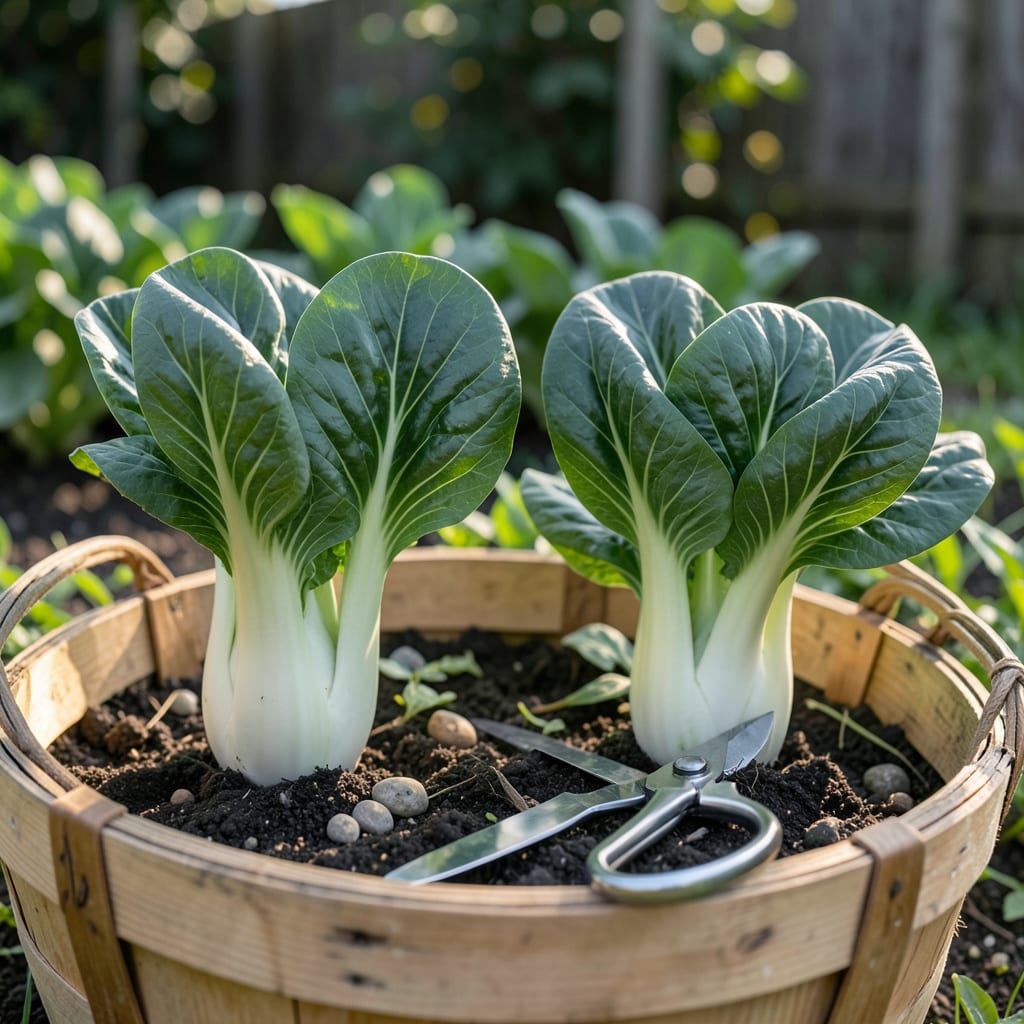
Knowing exactly when to harvest your 🥬 Bok Choy makes all the difference between tender greens and tough, bitter leaves. This timing-sensitive crop rewards those who spot the subtle signs of peak maturity.
I’ll show you how to recognize the perfect moment, from ideal leaf height to stem thickness. With these tips, you’ll enjoy the best flavor and maximize your yield every time.


Timing your bok choy harvest perfectly ensures the best flavor and texture. I look for plants that have reached 10-12 inches in height, with firm white stems about 1-1.5 inches thick. The leaves should appear broad and dark green.
The plant must form a full, compact head before picking. Thin stems or sparse leaves mean it needs more time. I always check for these visual cues before making the cut.
| Maturity Sign | Ideal Measurement |
| Leaf Height | 10-12 inches |
| Stem Thickness | 1-1.5 inches |
| Leaf Color | Dark Green |
| Stem Firmness | Firm & Crisp |
| Plant Structure | Compact Head |
For baby bok choy, I harvest earlier when plants are about 6-8 inches tall. These smaller plants offer a more tender texture perfect for fresh eating. I use clean scissors to cut the outer leaves first, allowing the center to keep growing.
I avoid harvesting when plants show yellowing leaves or flowering stems. These indicate the plant has bolted and will taste bitter. The ideal window is typically 45-60 days after planting, depending on the variety.
I check my bok choy in the early morning when the leaves are most turgid. This makes it easier to assess stem firmness and overall health. I also look for any signs of pest damage before deciding to harvest.
Remember that cool weather can slow growth, while warm temperatures may speed up maturity. I adjust my expectations based on the seasonal conditions in my garden. Spring and fall crops often mature at different rates.
For the sweetest flavor, I harvest before the plant bolts. Once I see a flower stalk forming, I know I’ve waited too long. The leaves become tough and bitter at this stage, which affects their culinary quality.
I find that successive planting every 2-3 weeks ensures a continuous supply. This way, I always have bok choy at the perfect stage for harvesting. It’s a simple trick that extends my growing season significantly.
By paying close attention to these visual and tactile signs, I consistently harvest bok choy at its peak. This approach guarantees the best texture and flavor from my garden every time
Harvesting bok choy at the wrong time can ruin your crop. I’ve learned the hard way that waiting too long leads to bolted plants with bitter, tough leaves. The moment you see a flower stalk forming, it’s already too late for the best flavor.
Another common mistake is harvesting too early. If your bok choy is under 6 inches tall with thin stems, the leaves won’t have developed their full, sweet flavor. Patience truly pays off with this crop.
⚠️ Warning: Using dull tools can crush stems, inviting disease. Always use sharp, clean scissors or a knife to make clean cuts at the base.
I also avoid harvesting during the hottest part of the day. The plants are stressed, and the leaves may wilt quickly. I prefer early morning when the foliage is crisp and full of moisture.
Overcrowding is another issue I watch for. If plants are too close, they compete for nutrients, resulting in stunted growth and smaller heads. I maintain proper spacing from the start to prevent this.
Finally, I never ignore pest damage before harvesting. If I see hole-riddled leaves or slug trails, I address the problem first. Damaged bok choy doesn’t store well and may spread issues to other plants.
By avoiding these common pitfalls, I ensure every bok choy harvest is flavorful and abundant. It takes attention to detail, but the results are worth it ☀️
I extend my bok choy harvest by planting new seeds every 2-3 weeks. This staggered approach ensures a continuous supply of fresh greens throughout the growing season. I start my first batch in early spring and continue through fall.
For a longer harvest from each plant, I use the cut-and-come-again method. I harvest only the outer leaves, leaving the center intact to regrow. This technique can give me 2-3 additional harvests from a single plant.
🌱 Season Extension Tips
I pay close attention to temperature fluctuations. Bok choy prefers cool weather and may bolt in heat above 75°F. I use shade cloth to protect my plants during unseasonably warm spells.
Proper spacing is crucial for extended harvests. I plant seeds 2 inches apart in rows 12 inches apart. This gives each plant enough room to develop a full head while allowing for air circulation.
By combining these strategies, I enjoy fresh bok choy for months. The key is consistent care and observation of your plants’ needs. With practice, you’ll develop an instinct for the perfect harvest timing 🌿
Picking before 6 inches tall results in underdeveloped leaves with less sweetness. The stems will be thin and floppy, lacking the crisp texture that makes bok choy enjoyable.
Look for yellowing leaves or a flower stalk forming. Once bolting begins, the leaves turn bitter and tough, ruining the flavor and texture.
Yes! Use clean scissors to cut outer leaves, leaving the center intact. This cut-and-come-again method lets the plant regrow for 2-3 more harvests.
Harvest in the early morning when leaves are most turgid for the sweetest flavor. Avoid hot afternoons when plants are stressed.
