
Beautiful Plants For Your Interior
Beautiful Plants For Your Interior
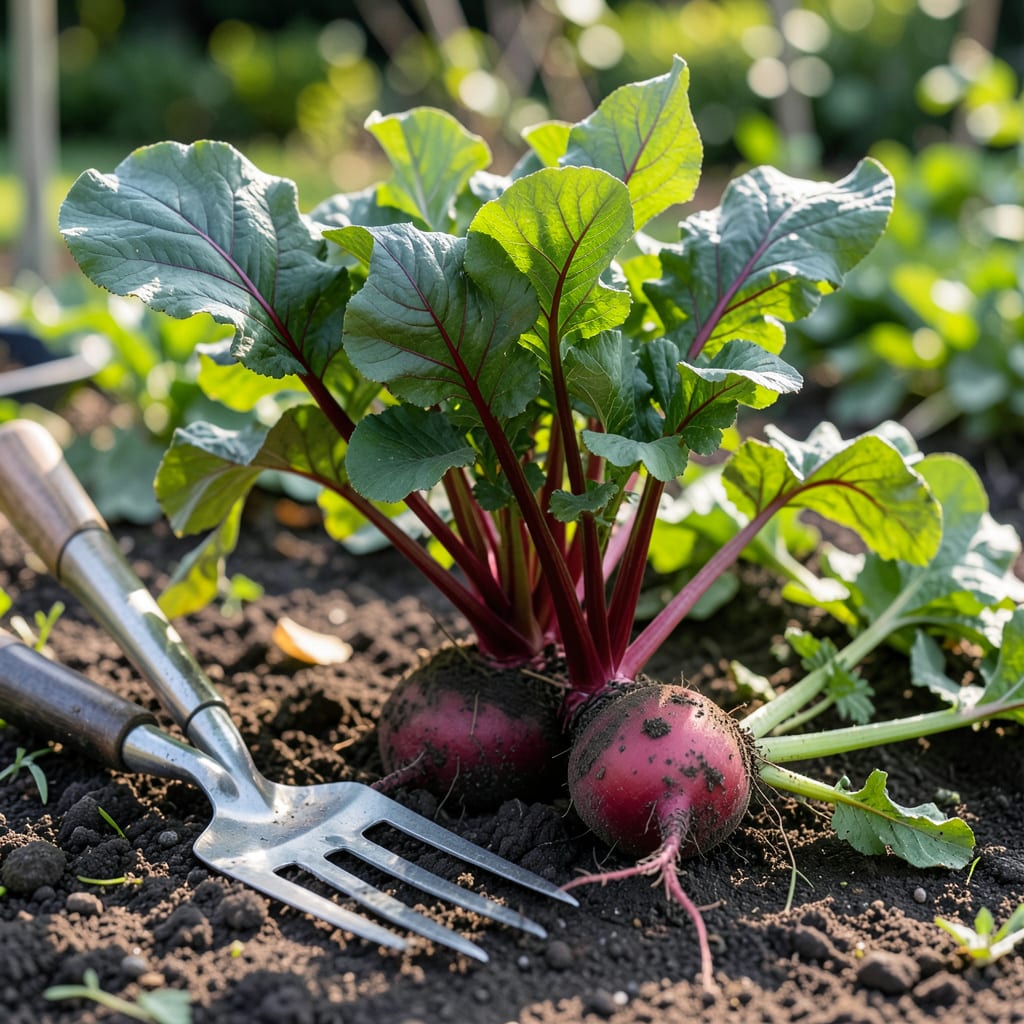
There’s nothing more satisfying than pulling up perfect 🥬 Beetroot from your garden at just the right moment. But how do you know when they’re truly ready?
I’ll show you the 3 tell-tale signs to look for, so you never harvest too early or too late. These simple checks will ensure sweet, tender roots every time.


Timing your beetroot harvest perfectly ensures the best flavor and texture. I always watch for visual cues rather than just counting days, as weather and soil can speed up or slow down growth.
From my experience, 3 key indicators tell you it’s time to pull those roots. These signs are foolproof and work for all beet varieties, whether you’re growing early or maincrop types.
The first sign I check is the shoulder visibility. When the top of the beetroot starts peeking above the soil, it’s a clear indication that the root is developing well below the surface.
This typically happens when the root diameter reaches about 1 inch. I gently brush away soil to check the size without disturbing the plant too much.
Next, I look for root size between 1-3 inches. Anything smaller might be underdeveloped, while larger beets can become woody and tough. This size range gives the best balance of sweetness and tenderness.
The color check is equally important. Mature beets display a deep, vibrant hue on their exposed shoulders. If they’re still pale, they need more time in the ground.
The foliage also provides clues. Healthy, dark green leaves about 6-8 inches tall usually accompany ready-to-harvest roots. Wilting or yellowing leaves might indicate it’s time to pull them up.
I always test one or two before harvesting the entire crop. This helps confirm that the texture is right – firm but not hard. If they pass the test, I know the rest are ready too.
Remember, early varieties may mature in as little as 50 days, while maincrop types can take up to 70 days. Keep these timeframes in mind as you monitor your plants.
☀️Not all beetroot varieties mature at the same rate. I’ve learned that early types like ‘Early Wonder’ can be ready in as few as 50 days, while maincrop varieties such as ‘Detroit Dark Red’ may take up to 70 days. This variation is crucial for planning your harvest schedule.
Seasonal temperatures also play a significant role. In warmer spring weather, your beets might mature faster, while cooler conditions can slow their growth. I always keep a garden journal to track these patterns from year to year.
| Variety | Days to Maturity | Best For |
|---|---|---|
| Early Wonder | 50-55 days | Quick harvests |
| Detroit Dark Red | 60-65 days | Main season |
| Boltardy | 55-60 days | Cold resistance |
I pay close attention to soil temperature as well. Beets grow best when soil is between 50-85°F. If it’s too cold, they’ll grow slowly; if it’s too hot, they might become woody and bitter. A soil thermometer is my go-to tool for monitoring this.
For successive planting, I stagger my beet sowings every 2-3 weeks. This ensures a continuous harvest throughout the growing season. The first sowing goes in as soon as the soil can be worked in early spring.
Remember that day length also affects growth. Beets are long-day plants, meaning they grow faster as days get longer. This is why they often mature more quickly in late spring and early summer compared to early spring plantings.
If you’re growing baby beets for fresh eating, you can harvest them as soon as they reach 1 inch in diameter. For storage beets, I let them grow to their full 2-3 inch size for the best keeping quality.
🌱Timing your beetroot harvest wrong can ruin weeks of careful growing. I’ve seen gardeners pull beets too early, only to find underdeveloped roots that lack sweetness and size.
Equally common is waiting too long, resulting in woody, tough beets that have passed their prime. There’s a sweet spot for harvest that ensures the best flavor and texture.
⚠️ Warning: Avoid these common beetroot harvesting mistakes to protect your crop.
I always test a sample before harvesting the entire row. Gently brush away soil from one beet to check its size and color. If it’s ready, the rest likely are too.
Another mistake is pulling by the greens alone. This can cause the tops to break off, leaving the root stuck in the ground. Instead, I grasp the base of the leaves and pull firmly but steadily.
Using the right tools makes a difference. A garden fork helps loosen soil around the roots for easier removal, especially in compacted or clay soil. This prevents damage to both the beets and surrounding plants.
🌱Ideal size is 1-3 inches in diameter. Smaller than 1 inch means they’re underdeveloped, while larger ones may turn woody. This range ensures sweet, tender roots.
Yes, you can carefully pick outer leaves while leaving the root to continue growing. Avoid removing more than 1/3 of the foliage at once to keep the plant healthy.
Overripe beets develop a woody texture and may split. Shoulders often protrude significantly above soil, and the skin appears tough. Harvest before this stage for best quality.
Warm weather speeds up growth, while cold slows it. In hot climates, check 5-7 days earlier than the seed packet suggests. Consistent moisture also prevents cracking.
