
Beautiful Plants For Your Interior
Beautiful Plants For Your Interior
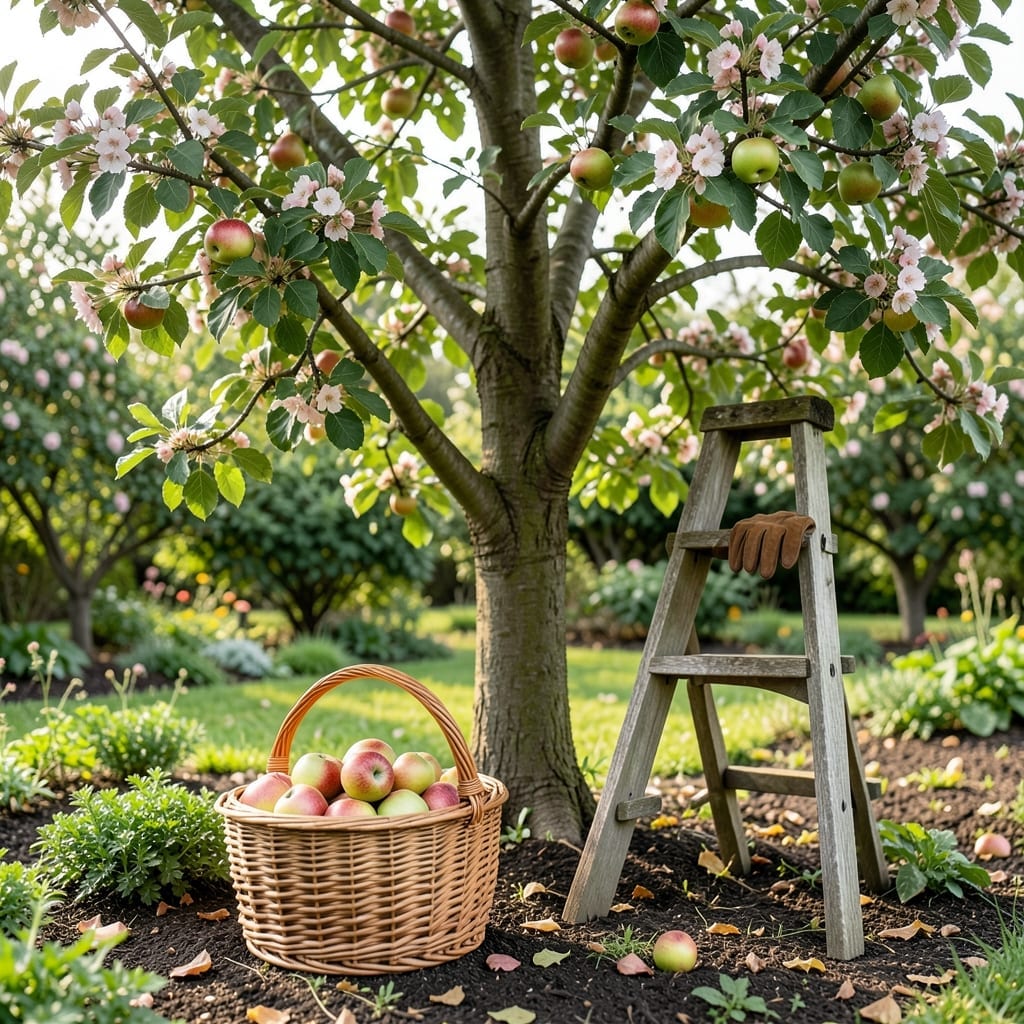
Nothing beats the crisp, fresh taste of 🍎 Apple picked at peak ripeness, but timing is everything.
Apple season varies dramatically by region, climate, and variety, making it essential to know when and where to harvest for the best flavor and texture.
I’ll show you how to identify the perfect picking window, whether you’re in zone 6a or just visiting an orchard. Let’s dive in.
If you’re wondering when is apple season, the answer depends on where you live and which apple varieties you’re growing. In the US, harvest times stretch from late July to early November, with regional climate playing a huge role. 🌳
Early varieties like Gala and McIntosh ripen in late summer, while Fuji and Granny Smith hold out until fall frost approaches. I’ve seen orchards in Michigan harvest in September, while California growers pick as early as August. ☀️
| Region | Early Varieties | Mid-Season Varieties | Late Varieties |
|---|---|---|---|
| Pacific Northwest | Gala (Aug) | Honeycrisp (Sep) | Fuji (Oct) |
| Northeast | McIntosh (Aug) | Empire (Sep) | Rome (Oct) |
| Midwest | Paula Red (Aug) | Jonathan (Sep) | Granny Smith (Nov) |
| South | Yellow Transparent (Jul) | Golden Delicious (Sep) | Pink Lady (Nov) |
The Pacific Northwest benefits from cooler summers, extending the season for late varieties like Fuji. Meanwhile, the South’s warmer climate pushes early harvests as soon as July. I always check local orchard reports for the most accurate timing. 🌿
In New England, McIntosh apples are a late summer staple, while Rome apples hold firm until October. The Midwest sees Jonathan apples peak in September, just as the leaves begin to turn. 🪴
Climate fluctuations can shift harvest times by 1-2 weeks. A warm spring may accelerate ripening, while a cool summer can delay it. I recommend monitoring fruit color and stem separation for the best results.
For home gardeners, dwarf varieties often ripen earlier than standard trees. Container-grown apples may also mature faster due to controlled conditions. Always taste-test a few fruits to confirm readiness.
If you’re in USDA Zone 6a, expect late summer to fall harvests. The first frost date of October 15 is a key marker—most apples should be picked by then to avoid damage.
Remember, apple season isn’t just about dates—it’s about ripeness cues. Look for deep color, easy stem separation, and sweet aromas to know your apples are ready. 🌱
Whether you’re picking for fresh eating or storage, timing is critical. Early varieties don’t store well, while late-season apples like Granny Smith can last months in proper conditions.
Knowing when to pick apples isn’t just about the calendar—it’s about ripeness signs your tree will show you. I always look for color changes first, as most varieties deepen in hue as they mature. 🌳
Another sure sign is ease of separation from the branch. A ripe apple will twist off with a gentle turn, while an unripe one clings tightly. I’ve found this the most reliable test for home gardeners. ☀️
For seed color, slice open an apple to check. White or light seeds mean it’s not ready, while brown seeds signal peak ripeness. I always test a few fruits from different parts of the tree. 🌿
Don’t overlook the taste test—it’s the most foolproof method. A ripe apple will be sweet and crisp, not tart or mealy. I sample one from each variety to be sure.
Early varieties like Gala often ripen unevenly, so check frequently. Late varieties such as Granny Smith may need more time to develop their signature tartness.
Remember, climate conditions affect ripening. A hot summer can speed up the process, while a cool season may delay it. Trust your senses more than the calendar. 🪴