
Beautiful Plants For Your Interior
Beautiful Plants For Your Interior
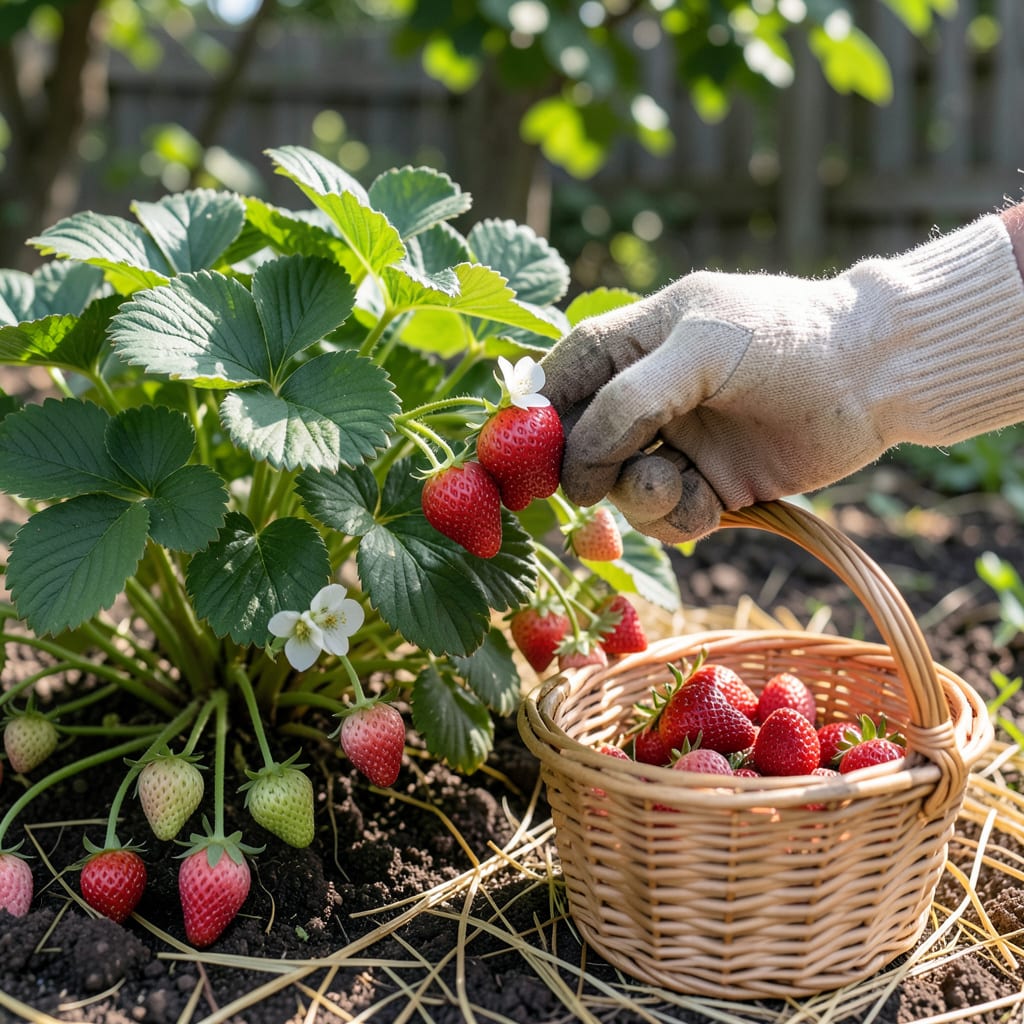
There’s nothing worse than biting into a strawberry that’s either sour or mushy—both signs you picked it at the wrong time. The difference between a perfectly ripe 🍓 and a disappointing one comes down to knowing exactly when to pluck it from the plant.
I’ll show you the foolproof signs to look for, from color and texture to the subtle scent that screams “I’m ready!” Whether you’re a first-time grower or just tired of guessing, these tips will ensure every strawberry you pick is bursting with sweetness.


Even if your strawberries look bright red, they might not be fully ripe. I’ve learned the hard way that color alone isn’t enough—you need to engage your other senses. A gentle twist test is my go-to method: if the berry resists, it’s not ready.
Your nose knows best! Ripe strawberries release a sweet, fragrant aroma when they’re at peak ripeness. If you don’t smell anything, give them another day or two. This trick works especially well for June-bearing varieties, which tend to be more aromatic.
💡 Pro Tip:
Test one berry first! If it’s sweet and juicy, the rest are likely ready. If it’s still tart, wait 24 hours and check again. Weather matters too—hot days speed up ripening, while rain can dilute flavor.
Ever notice how some strawberries look ripe but taste bland? That’s often because they were picked too early. A truly ripe berry will have a slight give when pressed gently—like a firm pillow. Avoid squeezing too hard, or you’ll bruise the fruit.
Timing matters more than you think. I always pick in the early morning when berries are cool and firm. Evening harvests can leave you with soft, overripe fruit, especially in warm climates. This small change can double your strawberries’ shelf life!
For everbearing or day-neutral varieties, check plants every other day. These types produce fruit in waves, so you’ll find ripe berries at different times. Don’t wait for them all to ripen at once—harvest as they’re ready to keep the plant producing.
Finally, trust your taste buds! If you’re unsure, sample one berry. A perfectly ripe strawberry should be sweet with a hint of tang. If it’s still sour, your plants need more time. Patience pays off with the juiciest, most flavorful harvest. 🌱
Timing isn’t just about ripeness—it’s about flavor and shelf life. I’ve found that strawberries picked in the early morning (before 10 AM) stay firmer and sweeter longer. The cooler temps help preserve their texture and natural sugars.
Evening harvests can be risky, especially in warm climates. Berries absorb heat all day, making them softer and prone to spoilage. If you must pick later, wait until after sunset when plants have cooled. This small adjustment can add days to your strawberries’ freshness.
| Time of Day | Flavor & Texture | Shelf Life | Best For |
|---|---|---|---|
| 6–10 AM | Firm, sweet, juicy | 5–7 days | Fresh eating, storage |
| 10 AM–4 PM | Softer, less sweet | 3–4 days | Immediate use |
| After 6 PM | Warm, mushy risk | 1–2 days | Jams, freezing |
Humidity plays a big role too. In damp climates, pick strawberries as soon as they’re ripe to prevent mold. I use a shallow basket to avoid crushing and spread them in a single layer. Never pile them high—this traps moisture and speeds up spoilage.
For everbearing varieties, check plants daily during peak season. These berries ripen in waves, so you’ll find new ready-to-pick fruit every 2–3 days. Use the twist-and-lift method: grasp the stem just above the berry, twist gently, and pull. If it resists, leave it for another day.
After picking, avoid washing strawberries until you’re ready to eat them. Extra moisture = faster rot. Instead, store them unwashed in a paper towel-lined container in the fridge. For maximum freshness, keep the stems on until you’re ready to use them. This simple trick keeps them juicy for days! 🌿
Look for a uniform bright red color from tip to stem—no green or white patches. Gently press the berry; it should yield slightly like a firm pillow. A sweet, strong aroma is another dead giveaway. If it doesn’t smell like anything, it’s not ready yet.
This usually happens when they’re picked too early or during cool, cloudy weather, which slows sugar development. Varieties like ‘Albion’ also need extra time to sweeten. Always do the taste test—if the first berry is tart, wait another day.
No—leave the stem (calyx) on the plant! Instead, grasp the stem just above the berry, twist gently, and pull. If it resists, it’s not ripe. Removing stems prematurely can damage the plant and reduce future yields.
Early morning (before 10 AM) is ideal. Berries are cool, firm, and retain maximum sweetness. Evening picks risk softer, warmer fruit that spoils faster. In hot climates, morning harvests can double shelf life! Avoid picking after rain—wet berries mold quickly.
Skip washing until ready to eat—moisture speeds up spoilage. Store unwashed in a paper towel-lined container in the fridge. For best results, keep stems on and spread berries in a single layer. They’ll stay fresh for 5–7 days this way.
