
Beautiful Plants For Your Interior
Beautiful Plants For Your Interior
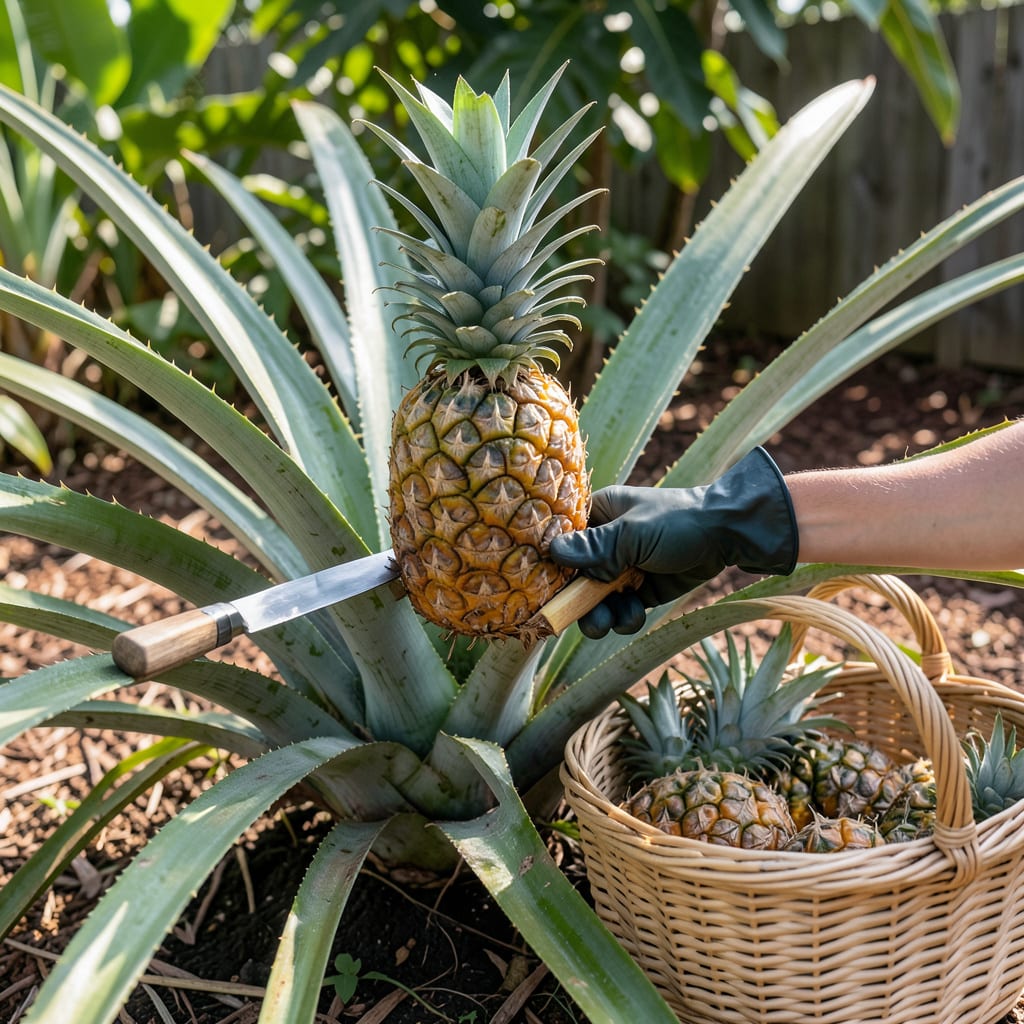
That moment when your homegrown 🍍 pineapple finally looks ready—only to discover it’s still rock-hard inside. We’ve all been there, staring at that spiky crown wondering, “Is it time?” The difference between perfect sweetness and bitter disappointment comes down to just a few key signals.
After patiently waiting 18–24 months, you don’t want to guess wrong. I’ll show you the exact visual and physical cues—from color shifts to the “leaf pull test”—so you can harvest with confidence. Plus, a quick trick to salvage slightly early picks. Let’s make sure your effort pays off in juicy rewards.


After 18–24 months of patiently tending your pineapple plant, the big question arrives: Is it ripe yet? Unlike store-bought fruit, homegrown pineapples won’t keep ripening after picking. That means timing is everything. Here’s how to read the plant’s subtle signals.
First, forget the myth that pineapples ripen significantly after harvest—they don’t. What you pick is what you get. That’s why I rely on five foolproof signs to determine ripeness. Let’s break them down so you can harvest with confidence and avoid that dreaded sour bite.
The base turns yellow-gold first, then spreads upward. Ignore the crown—focus on the fruit’s lower third for true ripeness.
Ripe pineapples emit a tropical, sugary scent near the stem. No smell? It’s not ready. Overpowering odor? It’s overripe and may ferment.
Gently tug a basal leaf (near the fruit). If it slips out easily, the pineapple is ripe. Resistance means wait 3–5 more days and retest.
A ripe pineapple yields slightly to pressure (like a firm avocado) and reaches full size for its variety. ‘Smooth Cayenne’ types average 4–6 lbs at maturity.
Tap the fruit with your knuckles. A hollow sound means it’s underripe; a dull thud signals juicy ripeness. Practice on store-bought pineapples to train your ear.
I always double-check with the leaf pull test—it’s the most reliable for homegrown pineapples. If only one or two signs are present, give it more time. But when three or more align, it’s go time. Pro tip: Harvest in the early morning for peak sweetness.
One common mistake? Confusing green crown leaves with unripeness. The crown often stays green even when the fruit is ready. Focus on the fruit’s base color and aroma instead. And don’t worry if the top leaves brown—that’s normal maturation.
If your pineapple is almost there but not quite, try this: Slide a ripe banana into a paper bag with it for 24–48 hours. The ethylene gas can coax out a bit more sweetness. But remember, this only works for slightly underripe fruit—it won’t save a premature pick.
Once harvested, pineapples last 3–5 days at room temperature or 1–2 weeks refrigerated. For longer storage, peel and freeze chunks in airtight bags. And here’s a bonus: Twist off the crown, let it dry for 2 days, then plant it to grow your next pineapple!
Still unsure? Compare your fruit to the size and color of a ripe grocery-store pineapple of the same variety. ‘Queen’ pineapples are smaller and more cylindrical, while ‘Smooth Cayenne’ types are larger and oval. When in doubt, err on the side of patience—an extra week can transform tartness into tropical sweetness.
Timing it right means enjoying fruit so sweet it rivals candy. And if you’ve grown it yourself, that first bite is pure gardening victory. Now that you know the signs, you’re ready to harvest like a pro—and maybe even start a new plant from that crown!
🌱Growing a pineapple is a lesson in patience—it takes 18–24 months from planting to harvest. But understanding the stages helps you track progress and anticipate that perfect picking moment. The journey starts with a flower spike emerging from the plant’s center, followed by tiny fruitlets that fuse into the familiar pineapple shape.
Climate plays a huge role in timing. In tropical zones, pineapples may ripen faster, while cooler areas can delay maturity by weeks. Varieties like ‘Smooth Cayenne’ (the grocery store favorite) typically mature in 18–20 months, while ‘Queen’ varieties might take up to 24 months. Let’s break down the timeline.
| Stage | Duration | What to Look For |
|---|---|---|
| Flowering | 2–3 months | Purple/red flower spike emerges from the center. |
| Fruit Development | 6–8 months | Fruitlets fuse; fruit grows but stays green. |
| Color Change | 1–2 months | Base turns golden-yellow; crown leaves brown. |
| Harvest Ready | 1–2 weeks | Sweet aroma at base; slight give when squeezed. |
Once the pineapple reaches the color change stage, check it daily. A ripe pineapple won’t continue ripening after picking, so timing is critical. If you’re growing in containers, expect a slightly longer timeline due to restricted root space. Outdoor plants in warm climates often mature faster.
Pro tip: If you’re propagating from a store-bought pineapple crown, the timeline starts fresh once planted. Remove the lower leaves, let the base dry for a day, then plant in well-draining soil. With consistent care, you’ll see a flower spike in about 12–16 months.
Remember, pineapples don’t ripen like bananas—they won’t sweeten after picking. So when you spot that golden hue and catch a whiff of tropical sweetness, it’s go time. Twist it gently from the plant, and enjoy the fruits of your two-year labor! 🌱
If your pineapple is taking longer than expected, don’t panic. Factors like soil pH, water stress, or shade can slow growth. Adjust care as needed, and keep an eye on those visual cues. Your patience will pay off with the sweetest reward. ☀️
Timing your pineapple harvest is like walking a tightrope—pick too soon, and you’ll get a mouth-puckering tart bomb; wait too long, and it turns into a fermented, mushy mess. After two years of growth, the last thing you want is a disappointing bite. Let’s break down what goes wrong and how to fix it.
An underripe pineapple is all acid and no sugar. The flesh stays pale and fibrous, with a texture like unripe mango—tough and unpleasantly chewy. Even the juice lacks sweetness, leaving you with a sour disappointment. The good news? Slightly early picks can sometimes be salvaged.
If you’ve picked a pineapple just shy of ripe, try this trick: Place it upside down (crown-side down) in a paper bag with a ripe banana for 24–48 hours. The ethylene gas from the banana can help redistribute sugars. Don’t expect miracles—it won’t fully ripen—but it can soften the texture slightly.
An overripe pineapple is a different beast. The flesh turns dark yellow or brown, with a fermented, almost alcoholic aroma. The texture becomes grainy and watery, like an overripe melon. At this stage, your best bet is to juice it immediately or blend it into smoothies—eating it fresh will be unpleasantly intense.
Prevention is key: Check your pineapple daily once color change begins. I’ve found that morning harvests yield the best flavor, as sugars are most concentrated after a cool night. And remember, pineapples don’t ripen after picking like bananas do—what you harvest is what you get. 🌱
If you’re growing multiple pineapples, stagger your checks. Varieties like ‘Sugarloaf’ ripen faster than ‘Red Spanish’ types. Keep notes on your plant’s progress each season to refine your timing. With practice, you’ll nail that perfect window between underripe tartness and overripe mush. ☀️
Pineapples typically take 18–24 months from planting to harvest. The timeline depends on climate, variety, and growing conditions. In tropical zones, they may mature faster, while cooler areas can extend the process by several weeks.
No, green pineapples are underripe and will remain tart and fibrous. Wait until the base turns golden-yellow and emits a sweet aroma. Unlike bananas, pineapples don’t ripen significantly after picking, so patience is key.
Use a gentle twisting motion to separate the fruit from the plant. If it resists, it’s not ready. For stubborn pineapples, use clean shears to cut the stem 1–2 inches above the fruit. Always harvest in the early morning for peak sweetness.
An overpowering, alcohol-like odor means it’s overripe. This happens when pineapples stay on the plant too long, especially in hot climates. Check daily once color change begins to avoid missing the ideal window.
You can’t rush nature, but you can encourage slightly underripe pineapples by storing them upside down in a paper bag with a ripe banana for 24–48 hours. This won’t fully ripen them but can improve texture and sweetness.
