
Beautiful Plants For Your Interior
Beautiful Plants For Your Interior
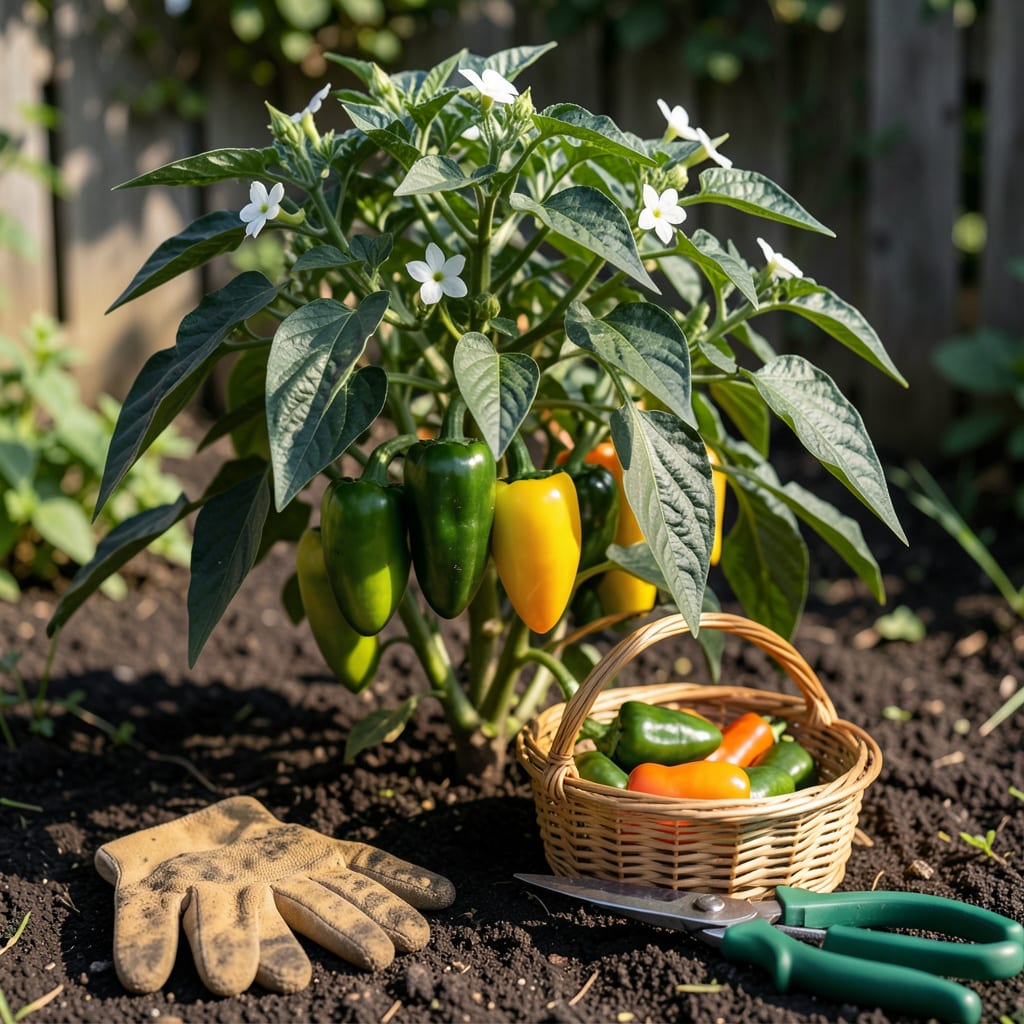
There’s nothing worse than waiting weeks for your 🌶️ banana peppers to ripen, only to pick them too early—or too late. That sweet spot between underripe and overmature makes all the difference in flavor and texture.
I’ll show you the exact visual cues to watch for, from color shifts to firmness tests, so you never second-guess your harvest again. Whether you prefer them crisp and green or fully ripe and golden, timing is everything—and I’ve got the perfect guide to get it right.


Timing your banana pepper harvest starts with color changes—the most obvious clue. When peppers shift from pale green to a vibrant yellow or red, they’re signaling readiness. But don’t rely on color alone; some varieties stay green even when ripe, so I always check multiple signs.
The size and firmness of your peppers matter too. A mature banana pepper typically reaches 4-6 inches long and feels slightly soft when gently squeezed. If it’s rock-hard or shriveled, it’s either underripe or past its prime. Trust me, that perfect slight give is your golden ticket. 🌱
| Ripeness Stage | Visual Cues | Physical Test | Flavor Profile |
|---|---|---|---|
| Immature (Green) | Pale green, smaller size | Very firm, no give | Mild, slightly bitter |
| Mature (Yellow) | Bright yellow, full size | Slightly soft, smooth skin | Sweet, tangy |
| Fully Ripe (Red) | Deep red, glossy | Softer, aromatic | Rich, sweet-spicy |
Don’t forget the stem test. A ripe banana pepper should separate easily from the plant with a gentle twist. If you’re tugging hard, it’s not ready. I use clean pruners to avoid damaging the plant, which also encourages more peppers to grow. Always leave a short stem attached to prevent rot.
The aroma is another telltale sign. Bring the pepper close to your nose—if you detect a sweet, slightly spicy scent, it’s ready. No smell usually means it needs more time. This trick works especially well for red-stage peppers, which develop stronger aromas.
Watch the weather conditions too. Hot, dry spells can speed up ripening, while cool, wet weather slows it down. In my garden, peppers often ripen faster in late summer than early fall. Adjust your harvesting schedule based on your local climate patterns.
If you’re growing multiple varieties, note that Hungarian Wax peppers turn yellow earlier than Sweet Banana types. I keep a harvest journal to track which varieties mature fastest in my garden—it’s a game-changer for planning future plantings. 🌿
One common mistake I see is harvesting after rain. Wet peppers bruise easily and can develop mold. Always pick during dry morning hours for the best quality. If rain is forecasted, harvest a day early to avoid waterlogged peppers that spoil faster.
Remember that frequent harvesting boosts production. I check my plants every 2-3 days during peak season. The more you pick, the more peppers your plant will produce. It’s like giving the plant permission to keep working hard for you!
Finally, if your peppers stay small or refuse to ripen, check for nutrient deficiencies or pest damage. Yellowing leaves might indicate a nitrogen shortage, while holes in peppers suggest pest problems. A quick soil test and organic pesticide can get things back on track. ✂️
Not all banana peppers ripen at the same pace—variety matters when planning your harvest. I’ve found that Sweet Banana peppers often take 65-70 days from transplanting, while Hungarian Wax varieties mature faster at 55-60 days. Knowing your variety helps you anticipate the perfect picking window.
The color progression also varies by type. Sweet Banana peppers transition from green to yellow, then red, while Hot Banana peppers may skip yellow entirely. I always check the seed packet or plant tag for specific color cues—it’s the easiest way to avoid guessing games. 🌱
| Variety | Days to Maturity | Color Progression | Flavor Profile | Best Climate |
|---|---|---|---|---|
| Sweet Banana | 65-70 days | Green → Yellow → Red | Mild, sweet, tangy | Warm, humid |
| Hungarian Wax | 55-60 days | Green → Yellow | Medium heat, tangy | Hot, dry |
| Hot Banana | 60-75 days | Green → Red | Spicy, fruity | Moderate heat |
Your local climate plays a huge role in harvest timing. In cooler zones, peppers may need an extra 1-2 weeks to ripen. I start my seeds indoors 8 weeks before the last frost to give them a head start. Southern gardeners can often direct-sow earlier for faster maturity.
For fall harvests, watch the weather closely. A light frost won’t kill pepper plants immediately, but it will stop ripening. I always harvest all mature peppers before temperatures drop below 50°F at night. You can ripen green peppers indoors by placing them in a paper bag with an apple.
The time of day you harvest affects quality too. I pick my peppers in the early morning when temperatures are cool and plants are well-hydrated. This prevents wilting and preserves crispness. Avoid harvesting during peak afternoon heat, which can cause peppers to become limp.
If you’re growing in containers, expect slightly slower maturation. Container-grown peppers often need 5-7 extra days compared to in-ground plants. I use 5-gallon pots minimum for banana peppers and monitor soil moisture daily—containers dry out faster than garden beds. 🌿
Remember that regular harvesting extends your season. I’ve had plants produce until first frost by picking peppers every 3-4 days at peak. The more you harvest, the more energy the plant puts into new fruit. It’s the gardener’s version of “use it or lose it”!
Even experienced gardeners can sabotage their banana pepper harvest with simple oversights. The most common mistake I see is harvesting after rain. Wet peppers bruise easily and develop mold faster. Always pick during dry morning hours for best quality. 🌱
Another critical error is ignoring pest damage. Tiny holes or dark spots on peppers indicate insects are feasting before you do. I check plants weekly for aphids and pepper maggots, using neem oil at first sight. Damaged peppers won’t ripen properly.
Improper storage ruins peppers faster than anything. Never refrigerate unwashed peppers—the moisture causes rot. I store mine in paper bags at room temperature for up to a week. For longer storage, freeze whole peppers after washing and drying thoroughly. ✂️
Many gardeners don’t realize that infrequent harvesting signals plants to stop producing. I make it a habit to check plants every 2-3 days during peak season. The more you pick, the more peppers your plant will produce—it’s that simple!
Finally, watch for nutrient deficiencies that delay ripening. Yellow leaves indicate nitrogen shortage, while purple stems suggest phosphorus lack. I apply a balanced organic fertilizer every 3 weeks during growing season. A quick soil test can pinpoint exactly what your plants need. 🌿
Remember that temperature swings affect ripening too. Peppers stop maturing below 50°F. In cool climates, I use row covers to extend the season. For unexpected frosts, harvest all mature peppers immediately—even green ones can ripen indoors in a paper bag.
Most varieties reach harvest readiness in 60-75 days from transplanting. Sweet Banana types often take 65-70 days, while Hungarian Wax may mature faster at 55-60 days. Always check your seed packet for variety-specific timing.
Yes, but they’ll have a milder, slightly bitter flavor. Green peppers are fully edible but haven’t developed their sweetness yet. For best taste, wait until they turn at least pale yellow—unless you specifically want that tangy green flavor for pickling.
Use clean pruning shears or sharp scissors to cut the stem, leaving about 1/4 inch attached. Never pull peppers by hand—this can break branches. Always harvest during dry morning hours when plants are most resilient.
Small peppers usually indicate stress from underwatering, poor soil, or pest damage. Check for aphids and ensure consistent moisture (about 1-2 inches per week). A balanced fertilizer every 3-4 weeks can also help.
For short-term storage, keep unwashed peppers in paper bags at room temperature for up to a week. For longer storage, wash, dry thoroughly, and freeze whole in airtight containers. Never refrigerate unwashed peppers—the moisture causes rapid spoilage.
