
Beautiful Plants For Your Interior
Beautiful Plants For Your Interior
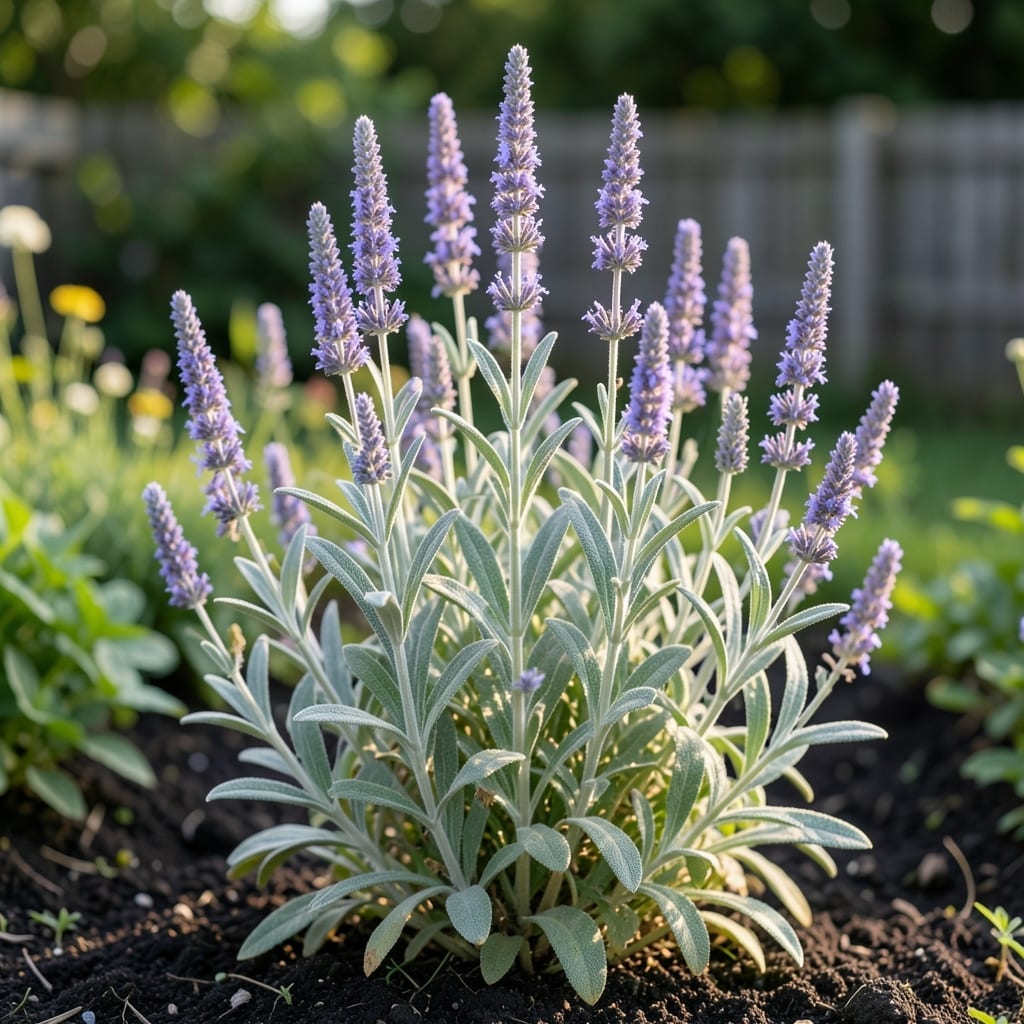
There’s something magical about watching Russian Sage 🌿 transform your garden with its vibrant lavender-blue spikes. As a gardener, I know timing is everything when it comes to enjoying those stunning blooms.
This hardy shrub typically bursts into color during the warmer months, but the exact timing can vary. Understanding its natural rhythm helps you plan and care for it properly.
Discover when to expect those gorgeous flowers and how to encourage a longer, more abundant blooming season in your own backyard.
If you’re growing Russian Sage, you likely want to know when those beautiful lavender-blue flowers will appear. In most regions, this drought-tolerant shrub starts blooming in mid-summer, typically around July.
The peak flowering period usually lasts from July through September, with flowers continuing to open in waves until the first frost. This timing can shift slightly based on your climate zone and local conditions.
| Stage | Timing | Notes |
|---|---|---|
| First Blooms | Early July | Initial flower spikes emerge |
| Peak Blooming | July-September | Most abundant flowers |
| Late Blooms | September-October | Flowers until first frost |
| Dormancy | Winter | Plant rests until spring |
In warmer zones like USDA 8-9, you might see blooms start a bit earlier, sometimes in late June. Cooler areas in zones 5-6 may have a slightly delayed start, with flowers appearing in mid-July.
The timing isn’t just about geography. Sunlight exposure plays a huge role. Russian Sage needs full sun (6+ hours daily) to flower at its best. Without enough light, you might notice fewer blooms or a delayed start.
Another key factor is pruning. I always recommend a good trim in early spring to encourage new growth. This helps produce more flowering stems and can even extend your blooming season.
Soil conditions matter too. Russian Sage thrives in well-draining soil and doesn’t do well in wet feet. If your soil stays soggy, you might see stunted growth and delayed blooming.
Watering habits can influence flowering as well. While this plant is drought-tolerant once established, consistent moisture during the growing season helps produce the best blooms. Just be sure to avoid overwatering.
If you’re in a region with hot summers, you might notice your Russian Sage takes a brief pause during the hottest weeks. Don’t worry – it usually bounces back with a second flush of blooms when temperatures cool slightly.
To maximize your enjoyment of those gorgeous spikes, I suggest planting Russian Sage where you can see it from indoor spaces. Its long blooming period means you’ll have color for months, not just weeks.
Remember, these are general guidelines. Your specific microclimate and care practices will affect your plant’s performance. Observe your Russian Sage each year to learn its unique rhythm 🌿
To get the most from your Russian Sage, I focus on a few key practices. This drought-tolerant beauty rewards good care with months of color, but it needs the right conditions to truly shine.
Start with proper pruning in early spring. I cut mine back by about one-third just as new growth begins. This encourages bushier growth and more flowering stems.
Sunlight is non-negotiable for Russian Sage. I’ve seen plants in partial shade produce far fewer flowers. Aim for 6-8 hours of direct sun daily for the best results.
When it comes to water, I let the top inch of soil dry out between waterings. This plant hates soggy roots, but consistent moisture during bloom time helps maintain flower production.
For feeding, I use a balanced fertilizer sparingly. Too much nitrogen gives you lush foliage but fewer flowers. A light application in spring is all this tough plant needs.
Deadheading isn’t necessary, but I do light trimming after the first big flush of blooms. This often encourages a second wave of flowers later in the season.
With these simple steps, you’ll enjoy lavender-blue spikes from mid-summer well into fall, with minimal effort required 🌿