
Beautiful Plants For Your Interior
Beautiful Plants For Your Interior
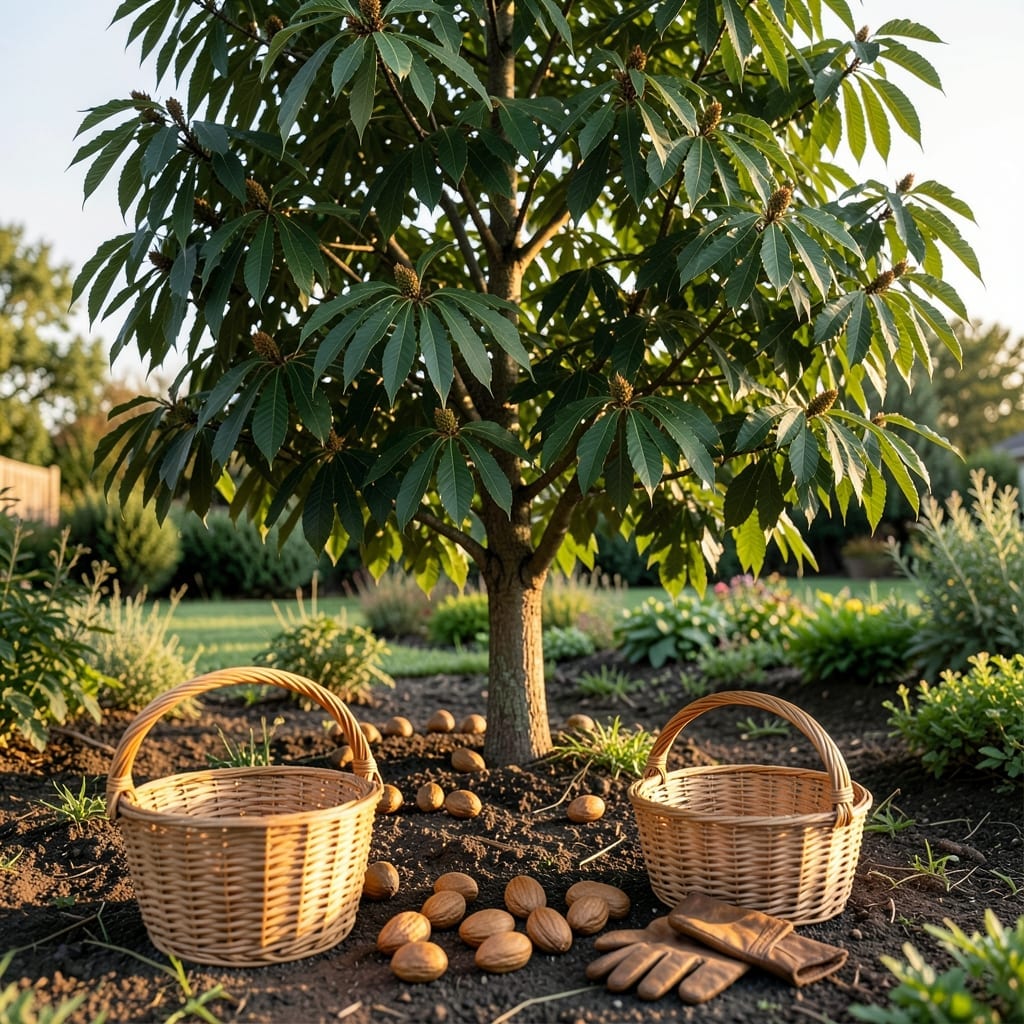
Pecan trees are a rewarding long-term investment for any garden or orchard. Their production timeline often surprises new growers, making it essential to understand their unique cycle.
The 🌳 Pecan Tree begins bearing nuts after several years, with grafted varieties typically producing faster than seedling trees. This patience pays off with a bountiful harvest.
I’ll walk you through the age requirements, seasonal patterns, and care tips to help you maximize your yield when the time comes.
Pecan trees are a long-term commitment that reward patience. Most growers don’t realize these majestic trees take years before producing their first nuts. The wait is part of the journey.
I’ve found that grafted pecan trees typically begin bearing nuts between 5-10 years, while seedling trees may take 10-15 years. This difference comes from the established root system in grafted varieties.
| Tree Type | First Production Age | Full Production Age |
|---|---|---|
| Grafted | 5-10 years | 12-15 years |
| Seedling | 10-15 years | 20+ years |
| Dwarf Varieties | 3-5 years | 7-10 years |
The first nuts you see will be sparse, often just a handful per tree. This is normal as the tree focuses its energy on establishing a strong root system and canopy.
Several key factors influence when your pecan tree will start producing. Variety selection makes a huge difference – some cultivars like ‘Pawnee’ may produce earlier than others like ‘Stuart’.
Climate conditions play a major role too. Trees in warmer zones (USDA 7-9) often mature faster than those in cooler areas (USDA 6). Consistent watering and proper fertilization can speed up the process.
I always recommend testing your soil before planting. Pecan trees thrive in well-draining soil with a pH between 6.0-6.5. Poor soil conditions can delay production by several years.
Proper pruning in the early years helps establish a strong framework for future nut production. Remove any competing branches to direct energy toward fruit-bearing wood.
Remember that pollination is crucial for nut set. Most pecan varieties require cross-pollination with another compatible cultivar. Planting at least two different varieties within 50-100 feet ensures good pollination.
While waiting for production, focus on tree health. A vigorous tree will produce more consistently once it starts bearing. I’ve seen that trees with full sun exposure and proper care often reach production age faster.
Be patient – that first harvest of fresh pecans will be worth the wait 🌳
The harvest season for pecan trees varies by climate zone and variety. I’ve noticed that warmer regions often see earlier harvests, while cooler areas may need to wait until late fall for fully mature nuts.
In USDA zones 7-9, pecans typically ripen from early September to mid-November. The husk splitting and shell color change are clear signs that nuts are ready for picking.
| Region | Harvest Window | Key Signs |
|---|---|---|
| USDA Zone 6 | Late Oct-Nov | Husk splits, shell brown |
| USDA Zone 7-8 | Mid Sep-Nov | Nuts drop, kernel plump |
| USDA Zone 9 | Early Sep-Oct | Shell hardens, husk opens |
The earliest harvests occur in southern regions, where warm summers accelerate nut development. I always check for husk splitting as the first sign, followed by the shell turning brown and hardening.
In cooler zones, like USDA 6, pecans may hang on the tree longer. A light frost can actually help the husks open, making harvest easier. Just be sure to gather them before heavy rains or strong winds cause damage.
For the best yield, I recommend monitoring your trees weekly as harvest season approaches. Shake a few nuts—if they fall easily, they’re likely ready. Taste-testing a few can confirm the kernel is fully developed.
Remember that variety matters. Early producers like ‘Pawnee’ may ripen 2-3 weeks sooner than late varieties like ‘Desirable’. Always check the specific needs of your cultivar for the most accurate timeline 🌳