
Beautiful Plants For Your Interior
Beautiful Plants For Your Interior
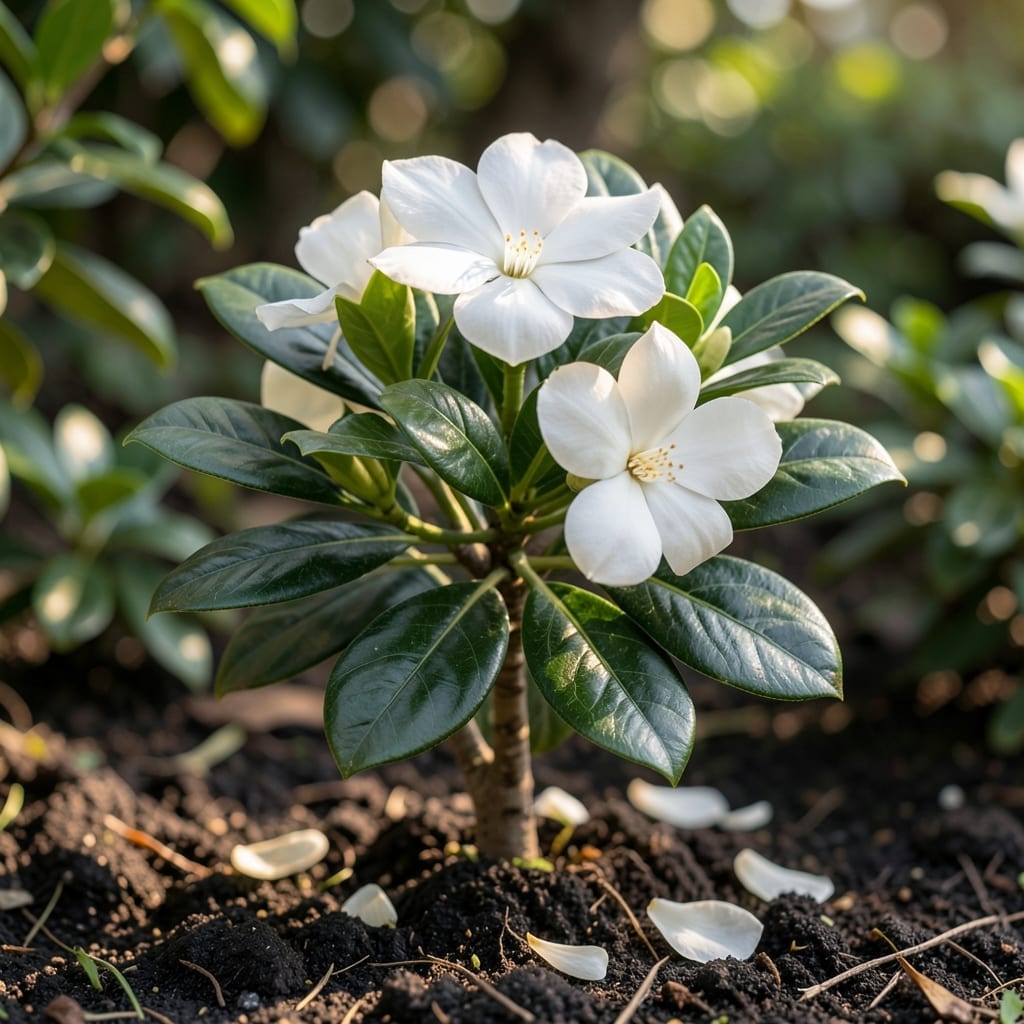
There’s nothing quite like the first glimpse of a gardenia’s creamy white blooms against its glossy green leaves. I remember the first time I saw my 🌸 Gardenia burst into flower – it was love at first sight.
These fragrant shrubs don’t just bloom randomly though. Their flowering follows a predictable pattern that every gardener should know to get the most from their plants.
Let me walk you through when to expect those stunning blossoms and how to create the perfect conditions for a spectacular display season after season.
The gardenia plant typically blooms from late spring through early fall, with peak flowering in summer months. In warmer climates like USDA zones 8-11, you may see blooms as early as May lasting until September.
In cooler regions, blooming may start later, around June, and continue through August. The exact timing depends on temperature, light exposure, and soil conditions. Gardenias thrive in acidic soil with consistent moisture.
| Climate Zone | Blooming Start | Blooming End | Peak Season |
|---|---|---|---|
| Tropical (Zones 10-11) | April | October | June-August |
| Subtropical (Zones 8-9) | May | September | July-August |
| Temperate (Zone 7) | June | August | July |
For tropical climates, gardenias may bloom year-round with proper care. These plants love warmth and humidity, which encourage continuous flowering. In container gardening, you can move pots indoors during cold snaps to extend the blooming season.
Morning sun and afternoon shade create ideal conditions. Too much direct sunlight can scorch the delicate blooms, while insufficient light may reduce flower production. I’ve found that east-facing locations work wonderfully for my gardenias.
Soil pH plays a crucial role in blooming. Gardenias prefer acidic soil with a pH between 5.0-6.0. If your soil is too alkaline, the plant may struggle to absorb necessary nutrients, resulting in fewer blooms or yellowing leaves.
Consistent watering is key to encouraging blooms. These plants need moist but well-drained soil. I water my gardenias deeply once a week, adjusting for rainfall. Mulching helps retain moisture and keeps roots cool during hot summer months.
Fertilizing with a balanced acid-forming fertilizer every 4-6 weeks during the growing season promotes healthy growth and abundant blooms. I use a 10-10-10 fertilizer specially formulated for acid-loving plants, always following package instructions carefully.
Pruning at the right time encourages more blooms. The best time to prune is immediately after flowering, as gardenias set their buds for the next season shortly after the current blooms fade. This timing ensures you won’t accidentally remove next year’s potential flowers.
In my experience, gardenias reward patient gardeners with their heavenly fragrance and elegant white blooms. With the right conditions and care, you can enjoy these beautiful flowers for months each year. 🌸
To get the most fragrant blooms from your gardenia, timing and care are everything. I’ve found that with the right approach, you can extend the blooming season and enjoy more of those stunning white flowers.
Proper pruning is the first step. Always prune right after flowering to avoid cutting off next year’s buds. Gardenias set their flower buds in late summer for the following season, so timing is critical.
For fertilizing, I use a balanced acid-loving plant food every 4-6 weeks during the growing season. This provides the nutrients gardenias need to produce abundant blooms without burning their sensitive roots.
Watering consistently is crucial. Gardenias prefer moist but well-drained soil. I water mine deeply once or twice weekly, depending on rainfall and temperature. Mulching with organic matter helps retain moisture and keeps roots cool.
Light exposure dramatically affects blooming. Gardenias thrive with 4-6 hours of morning sun followed by afternoon shade. Too much direct sunlight can scorch the flowers, while too little light reduces bloom production.
Finally, monitor your soil pH. Gardenias need acidic soil (pH 5.0-6.0) to absorb nutrients properly. If your soil is too alkaline, the plant may struggle to bloom. I test my soil annually and amend with sulfur if needed. 🌸