
Beautiful Plants For Your Interior
Beautiful Plants For Your Interior
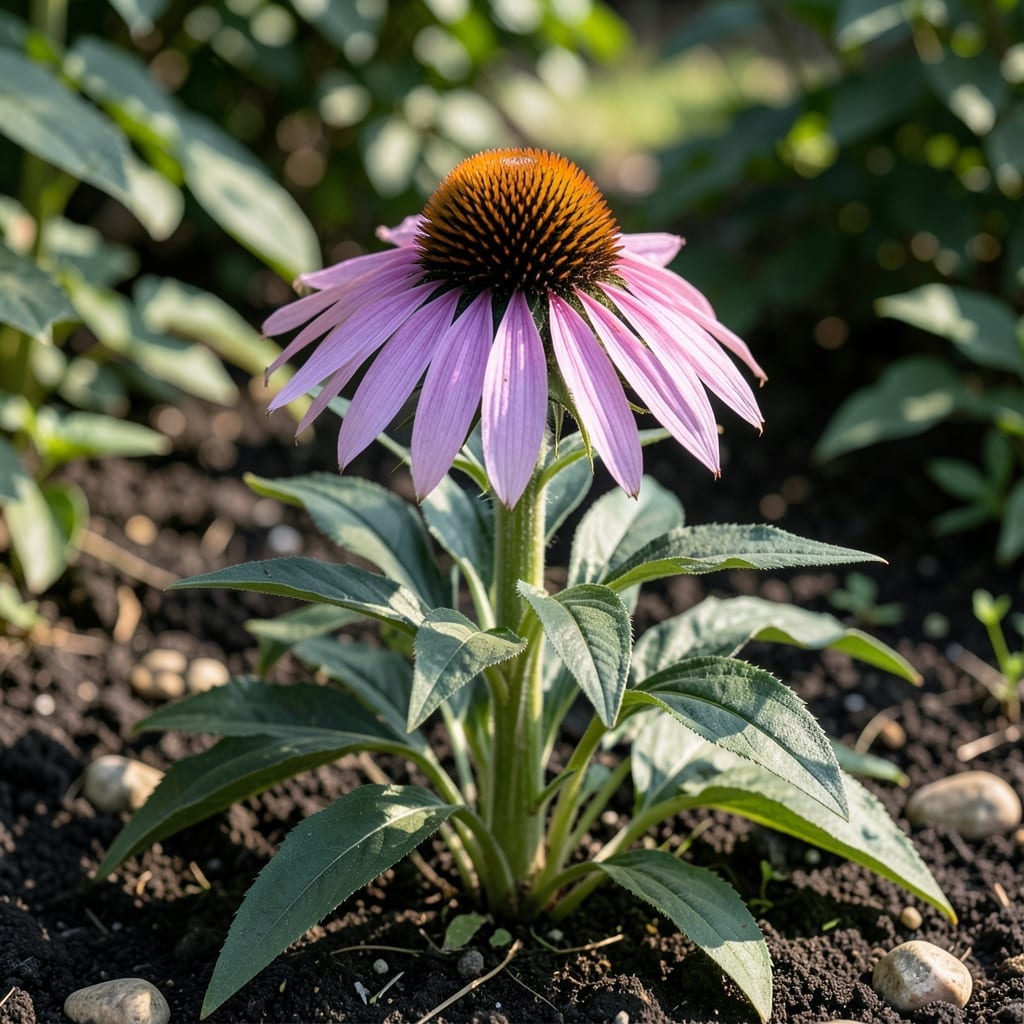
There’s something magical about watching Echinacea 🌼 burst into color, transforming your garden into a vibrant haven. As a gardener, timing is everything when it comes to enjoying those iconic daisy-like blooms.
I’ve learned that understanding the natural rhythm of this hardy perennial can make all the difference. With the right care and conditions, you can expect a stunning display that lasts for months.
Discover the seasonal timeline that ensures your Echinacea thrives, and learn how to maximize its blooming potential in your own backyard.
I love how Echinacea brings a burst of color to the garden with its iconic daisy-like blooms. The timing of these blooms varies by variety and region, but most gardeners can expect a stunning display during the warmer months.
The typical blooming season for Echinacea spans from early summer to early fall, with peak flowers appearing in July and August. However, early cultivars may start as early as May, while late-season varieties can extend the show into October.
| Variety | Bloom Time | Notes |
|---|---|---|
| Purple Coneflower | June – September | Classic variety, most common |
| Magnus | July – September | Large rosy-purple blooms |
| White Swan | June – August | Pure white petals |
| Sunrise | July – October | Late bloomer, yellow petals |
| Green Envy | July – September | Unique greenish-yellow flowers |
Climate plays a big role in when your Echinacea will bloom. In warmer USDA zones 7-9, you might see flowers as early as May, while in cooler zones like 4-6, blooms typically start in late June or early July.
The length of the blooming period also depends on growing conditions. Plants in full sun with well-draining soil tend to produce more flowers over a longer period. I’ve noticed my Echinacea thrives with at least 6 hours of sunlight daily.
Early-season varieties like Echinacea paradoxa can start blooming in late spring, while others like Echinacea purpurea follow in early summer. For a continuous display, I recommend planting a mix of early, mid, and late-season cultivars.
In my experience, deadheading spent blooms can encourage a second flush of flowers. This simple practice removes faded blooms, redirecting the plant’s energy toward producing new ones rather than seeds.
Regional differences matter too. Gardeners in the Pacific Northwest might see a later start due to cooler springs, while those in the Southwest could enjoy earlier blooms thanks to warmer temperatures.
Soil conditions also affect bloom time. Echinacea prefers well-draining soil and can struggle in heavy clay or waterlogged areas. Amending your soil with compost can improve drainage and encourage healthier, more timely blooms.
With the right care and a little patience, your Echinacea will reward you with months of vibrant color, attracting pollinators like bees and butterflies to your garden 🌼
I’ve found that with a few simple techniques, you can coax your Echinacea to bloom longer and more abundantly. The key is understanding the plant’s natural cycle and giving it the right support at the right time.
One of the most effective ways to extend blooming is through regular deadheading. By removing spent flowers before they set seed, you encourage the plant to produce new blooms instead.
Another important factor is fertilization. While Echinacea doesn’t need heavy feeding, a light application of balanced fertilizer in early summer can boost flower production. I use a 10-10-10 formula every month during the growing season.
Watering also plays a crucial role. While established plants are drought-tolerant, consistent moisture during the bud formation stage leads to more abundant blooms. I aim for 1-2 inches of water per week, preferably in the morning.
For a longer display, consider succession planting. By planting early, mid, and late-season varieties together, you can enjoy continuous blooms from June through October. This approach works especially well in larger gardens.
Finally, don’t overlook the importance of good air circulation. Proper spacing between plants reduces disease risk and allows each plant to develop strong stems and abundant flowers. I space my Echinacea 18-24 inches apart for optimal results.
With these care strategies, your Echinacea will reward you with a spectacular, long-lasting display of color 🌼