
Beautiful Plants For Your Interior
Beautiful Plants For Your Interior
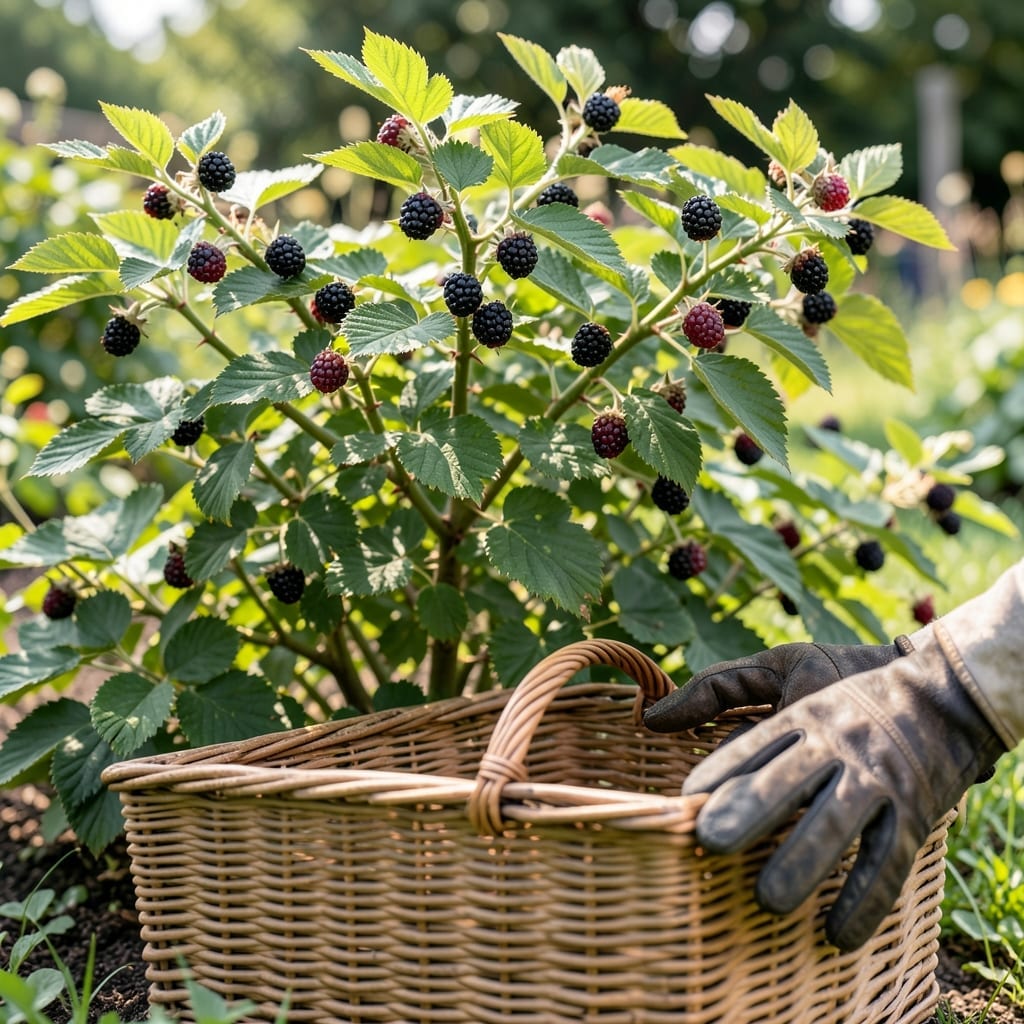
There’s nothing quite like biting into a perfectly ripe Blackberry 🫐 you’ve grown yourself. But timing that harvest right can feel like a guessing game if you don’t know what to look for.
In most regions like USDA zone 6, these fruits typically appear in July through August. That’s when your patience pays off with that first deep black, plump berry ready to pick.
I’ve learned that watching for color change isn’t enough. The real tell is when they separate from the plant with just a gentle tug, practically jumping into your hand.
Discover how to read your plant’s signals and never miss that perfect harvesting window again. Let’s make this your most fruitful season yet.
If you’re wondering when blackberry bushes fruit, the answer depends largely on your climate zone and the variety you’re growing. Most blackberries ripen in summer, but timing shifts from early June to late August.
In warmer USDA zones 7-9, expect fruit as early as late May. Cooler zones like 4-6 typically see harvests in July through August. Early varieties may fruit 2-3 weeks sooner than late-season types.
| Region | USDA Zone | Fruiting Window |
|---|---|---|
| Pacific Northwest | 8-9 | June – July |
| Midwest | 5-6 | July – August |
| Northeast | 4-6 | July – August |
| Southern States | 7-9 | May – June |
I’ve found that thornless varieties like ‘Navaho’ often ripen a week earlier than thorny types. The length of your growing season also plays a role—areas with longer warm periods may see extended fruiting.
In my garden, ‘Apache’ blackberries consistently produce in early July, while ‘Chester’ comes in mid-to-late July. These are mid-season varieties perfect for zone 6.
Coastal regions with mild winters may experience two harvests—a main summer crop and a smaller fall crop from primocane-fruiting varieties like ‘Prime-Ark Freedom’.
Remember that spring frosts can delay fruiting by 1-2 weeks, especially if they damage flower buds. I always protect my canes with frost cloth during late spring cold snaps.
Soil temperature matters too. Blackberries fruit best when soil temps reach 60°F. In cooler springs, I use black plastic mulch to warm the soil faster.
For the earliest possible harvest, choose early-season varieties like ‘Ouachita’ or ‘Natchez’. These can produce ripe berries as much as 3 weeks sooner than standard types.
In my experience, consistent watering during fruit development leads to larger, sweeter berries. I aim for 1-1.5 inches of water per week during this critical period.
🌿
Spotting a ripe blackberry is all about the details. I look for that deep, dull black color first—shiny berries aren’t ready yet. The fruit should feel plump and firm but give slightly when pressed.
Another sure sign is how easily it detaches from the plant. If it pulls away with just a gentle tug, it’s ready. If you have to yank, it needs more time. A sweet aroma is the final clue that it’s perfect for picking.
I’ve found that early morning is the best time to check for ripeness. The berries are cooler and firmer, making it easier to spot the perfect picking moment. Plus, the dew helps me see which ones are truly ready.
If the berry is still red or hard, leave it for another day or two. Picking too soon means tart, unripe fruit that won’t sweeten off the vine. Patience is key here.
For thornless varieties, the same rules apply. The absence of thorns doesn’t change the ripening process, just makes harvesting a little easier on the hands. I always wear gloves just in case.
Finally, taste-test one or two to confirm. If it’s sweet and juicy, the rest are likely ready. If not, wait a day and check again. Blackberries won’t ripen further once picked, so timing is everything
🌿