
Beautiful Plants For Your Interior
Beautiful Plants For Your Interior
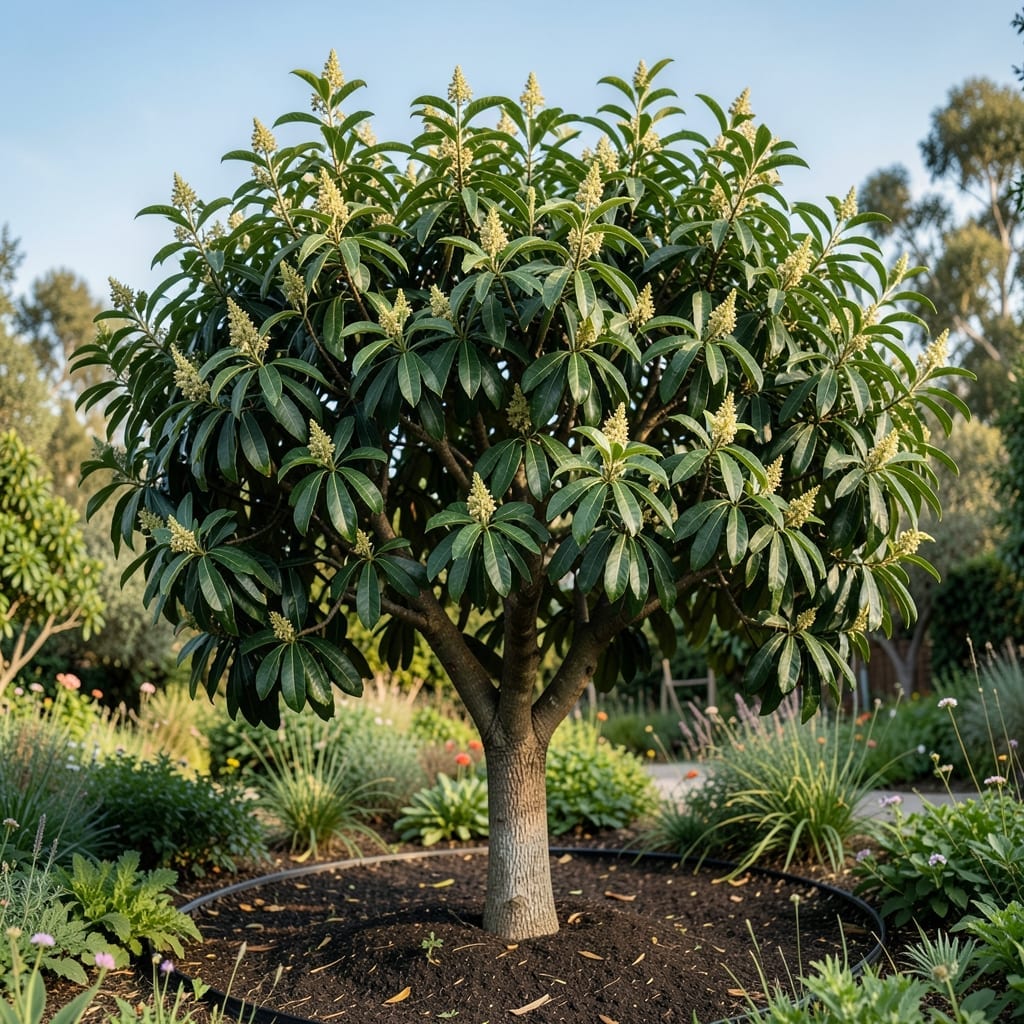
Ever noticed how your 🥑 avocado tree seems to have a mind of its own when it comes to flowering? That’s because these trees follow a unique rhythm based on climate and variety.
In zones 9b-11, the blooming process typically kicks off in late winter or early spring. But here’s the thing: not all avocados flower at the same time, even in the same yard.
Discover what triggers your tree’s flowering and how to predict its pattern. It’s the first step to understanding your avocado’s fruiting potential.
I’ve found that avocado flowering doesn’t follow a one-size-fits-all schedule. In subtropical zones, like parts of California, blooming often starts in late winter to early spring. The timing shifts based on temperature and daylight changes.
For Type A avocados, like Hass, flowers open as female in the morning and male in the afternoon. Type B varieties, such as Fuerte, do the opposite. This difference is crucial for pollination success.
| Variety | Flowering Season | Climate Zone |
|---|---|---|
| Hass (Type A) | March – May | 9b-11 |
| Fuerte (Type B) | February – April | 10-11 |
| Lamb Hass (Type A) | April – June | 9b-11 |
In tropical climates, avocados may flower year-round, but the heaviest blooms still occur during dry seasons. Cooler temperatures can delay flowering, while consistent warmth speeds it up.
I always remind gardeners that tree age matters too. Young avocados often take 3-4 years to flower. Even then, they may produce flowers but no fruit until fully mature.
For Mediterranean climates, expect blooming to align with the warmest months. The temperature threshold for flowering is typically around 60-70°F, but this can vary by variety.
Daylight plays a role as well. Avocados need 12+ hours of daylight to trigger flowering. In shorter-day regions, supplemental lighting can help indoor trees.
If your tree isn’t flowering, check its light exposure and temperature range. Even a few degrees below the ideal can delay blooms by weeks. I’ve seen this firsthand with my own Hass avocado.
Remember, pollination partners are key. Planting Type A and B varieties near each other boosts fruit set. Without both, you might get flowers but no avocados.
Finally, frost protection is critical. A late cold snap can wipe out flowers, ruining your harvest. In colder zones, consider planting in containers to move indoors during winter.
With the right conditions, your avocado tree will reward you with beautiful blooms and, eventually, delicious fruit 🌿
I’ve seen many gardeners puzzled when their avocado trees bloom beautifully but never produce fruit. The most common culprit is poor pollination between Type A and Type B varieties.
These trees have unique flowering patterns: Type A blooms female in the morning and male in the afternoon, while Type B does the reverse. Without both types nearby, pollination often fails.
Nutrient deficiencies can also prevent fruit set. Avocados need balanced fertilization, especially with zinc and nitrogen. A soil test can reveal missing elements.
Another issue is environmental stress. Extreme heat or drought during flowering can cause flower drop. Consistent watering and mulching help maintain stable conditions.
I’ve noticed that over-pruning can remove potential fruiting wood. Avocados fruit on new growth, so time your pruning carefully to avoid cutting off future harvests.
Finally, some varieties are simply less productive in certain climates. If you’ve ruled out other issues, consider grafting a more reliable variety onto your existing tree.
With the right approach, your tree will go from flowers to fruit successfully 🌿