
Beautiful Plants For Your Interior
Beautiful Plants For Your Interior
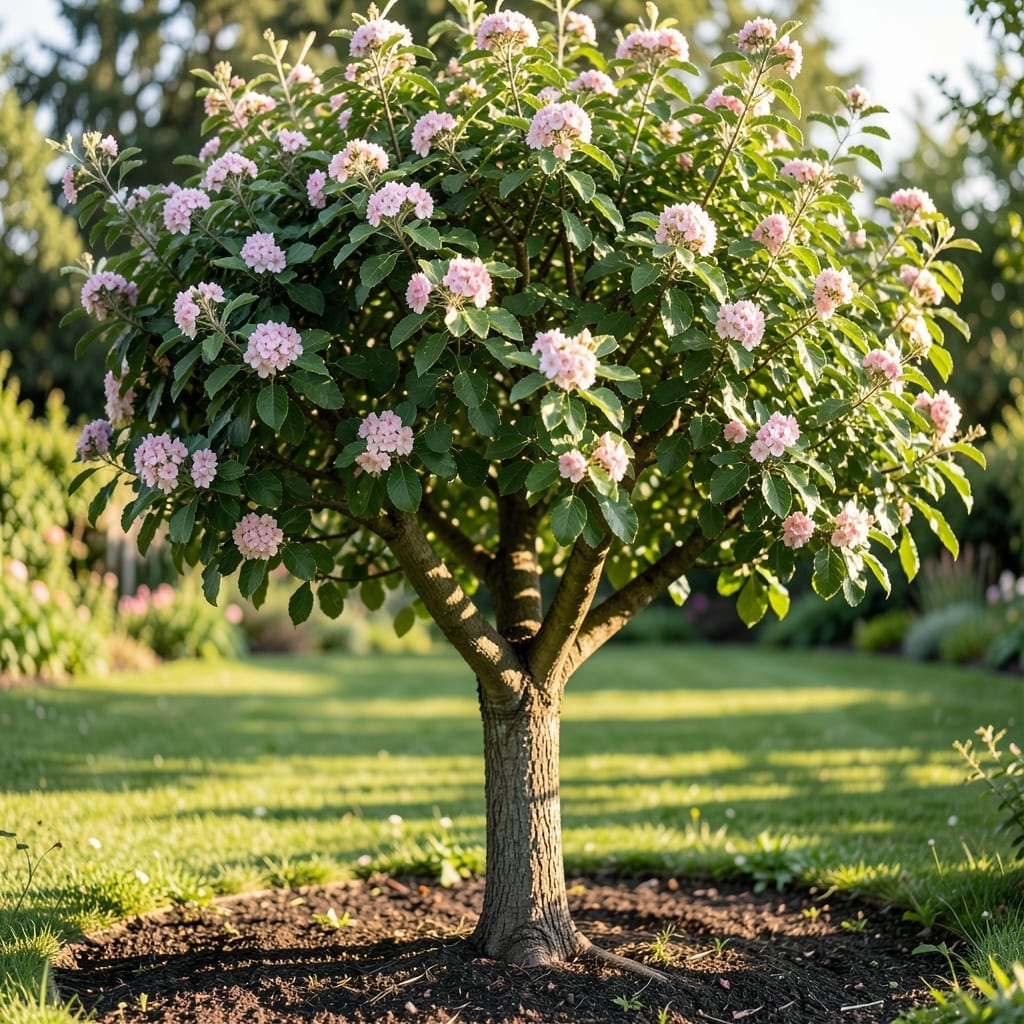
Apple tree blossoms signal the start of a fruitful season, but their timing varies dramatically by climate, variety, and care. The 🍎 Apple Tree typically bursts into bloom in early spring, yet this can shift based on your location.
Knowing when to expect those delicate pink and white flowers helps you plan pollination, pest control, and harvests. Whether you’re in zone 5-8 or beyond, timing matters for a successful growing season.
Discover how regional differences and care practices influence your tree’s blossoming schedule. Let’s explore what makes this seasonal transition so special.
If you’ve ever wondered when does apple tree blossom, the answer depends largely on the variety. Apple trees generally bloom in early to mid-spring, but the exact timing can vary by weeks.
Early varieties like McIntosh or Red Delicious often burst into bloom first, while late types such as Fuji may flower a few weeks later. Climate plays a huge role, with warmer regions seeing blossoms as early as February.
| Variety | Bloom Time | USDA Zones |
|---|---|---|
| McIntosh | Early Spring | 4-7 |
| Honeycrisp | Mid Spring | 3-7 |
| Fuji | Late Spring | 6-9 |
| Granny Smith | Mid to Late Spring | 5-9 |
In USDA zones 5-8, most apple trees bloom between March and May. However, in milder climates like California, you might see blossoms as early as January or February for early varieties.
For gardeners in colder regions, such as zone 4, blooming typically occurs in late April to early May. The tree needs enough chill hours during winter to trigger spring flowering.
Dwarf varieties often follow the same blooming schedule as their full-sized counterparts. However, their compact size makes them ideal for smaller gardens while still providing those beautiful spring blossoms.
I’ve noticed that cross-pollination can affect blooming too. Planting compatible varieties nearby ensures better fruit set and may even extend your blooming season slightly.
If you’re in a region with late frosts, consider choosing late-blooming varieties. This reduces the risk of frost damaging your precious blossoms before they can develop into fruit.
Proper pruning in late winter can also encourage more vigorous blooming. Remove dead or diseased wood to allow better air circulation and sunlight penetration.
Remember, a healthy apple tree with well-draining soil and full sun exposure will produce the most abundant and timely blossoms. 🌳
If you’re tracking when does apple tree blossom, climate is your biggest variable. In warmer zones like 8-9, blossoms may appear in late winter, while in zone 4, they often wait until May.
Chill hours are critical—most varieties need 500-1,000 hours below 45°F to break dormancy. Without enough cold, buds may stay closed longer than expected.
I’ve seen temperature fluctuations trick apple trees. A warm spell in February might cause early bud swell, but a late frost can wipe out those buds entirely. Protect blossoms with frost cloth if cold snaps are forecasted.
Pruning practices also shift timing. Heavy pruning in fall can reduce spring blooms, while late winter pruning encourages vigorous flowering. Always sterilize your pruning tools to prevent disease.
Soil conditions matter more than you think. Trees in poorly draining soil often bloom later due to stress. Amend with compost before planting and mulch annually to keep roots healthy.
Finally, pollination partners can influence timing. Planting compatible varieties within 50 feet ensures better cross-pollination, which may lead to more consistent blooming year after year. 🌳