
Beautiful Plants For Your Interior
Beautiful Plants For Your Interior
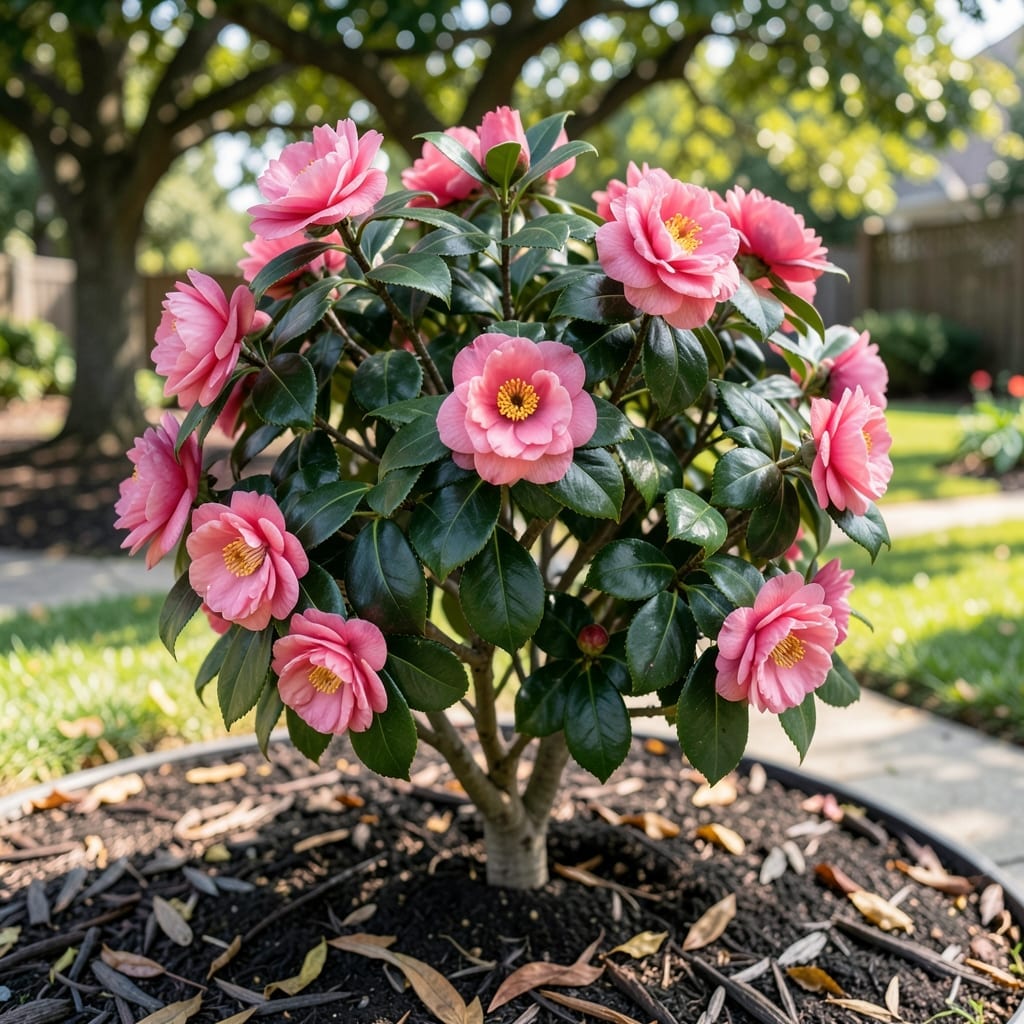
Watching your Camellia 🌸 burst into bloom is one of the most magical moments in gardening. Yet timing varies wildly by species and climate.
Knowing when to expect those stunning flowers helps you plan and care for your plant properly. Whether you’re in zone 7-9 or just starting out, understanding the blooming cycle is key.
Let me walk you through what influences your Camellia’s flowering schedule and how to encourage those beautiful blooms year after year.
If you’re wondering when your camellia will flower, the answer depends on the species and variety. Camellia japonica typically blooms from late winter to spring, while Camellia sasanqua flowers in fall to early winter. 🌸
Camellia reticulata often produces its stunning blooms in mid to late winter. Each species has its own unique timing, influenced by genetics and local conditions. 🌿
| Species | Blooming Season | Notes |
| Japonica | Late Winter – Spring | Large, showy flowers |
| Sasanqua | Fall – Early Winter | Smaller, fragrant blooms |
| Reticulata | Mid – Late Winter | Dramatic, bold flowers |
| Hybrids | Varies by Cultivar | Crosses of above species |
For early bloomers, try varieties like ‘Yuletide’ or ‘Sparkling Burgundy’, which can start flowering as early as November. These are perfect for adding winter color to your garden. 🌷
Mid-season camellias, such as ‘Pink Perfection’ or ‘Debbie’, usually bloom from January to March. They bridge the gap between winter and spring beautifully.
Late-season varieties like ‘Giganto’ or ‘Lady Clare’ may flower as late as April. These are ideal for extending your camellia blooming season into spring. ☀️
Regional climate differences can shift these timings. In warmer zones like Zone 9, camellias may bloom earlier than in cooler Zone 7 areas.
Microclimates also play a role. A sheltered, sunny spot might encourage earlier blooming, while a shady, cold area could delay flowers by several weeks. 🌡️
To maximize your camellia’s flowering potential, ensure it’s planted in acidic, well-draining soil and receives morning sun with afternoon shade. This mimics their natural habitat conditions.
Remember that young camellias may take 2-3 years to produce their first flowers. Patience is key with these beautiful shrubs, but the wait is worth it. 🌱
I’ve found that temperature and daylight hours are the biggest factors in when your camellia flowers will appear. In warmer climates, blooms often arrive earlier than in cooler regions. 🌡️
For example, a Camellia sasanqua in Zone 9 might start flowering in October, while the same variety in Zone 7 could wait until December. This shift is due to temperature triggers in the plant’s cycle. ☀️
Key Takeaway: Camellias bloom earlier in warmer zones and later in cooler areas. Microclimates like sheltered spots or urban heat islands can also shift flowering by 2-4 weeks.
Local microclimates also play a huge role. A south-facing wall or urban heat island can create a warmer pocket that encourages earlier blooming. Conversely, a shady north side might delay flowers. 🌿
Daylight length, or photoperiod, is another key trigger. Shorter days in fall signal sasanqua camellias to bloom, while longer days in late winter cue japonica varieties. This is why timing varies so much by location.
If you notice your camellia blooming later than expected, check if it’s in a colder microclimate or receiving too much shade. Moving it to a sunnier spot or adding winter protection can help. 🌷
In my experience, consistent moisture and proper mulching also help regulate soil temperature, which can stabilize blooming times. A 2-3 inch layer of organic mulch works wonders for this.