
Beautiful Plants For Your Interior
Beautiful Plants For Your Interior
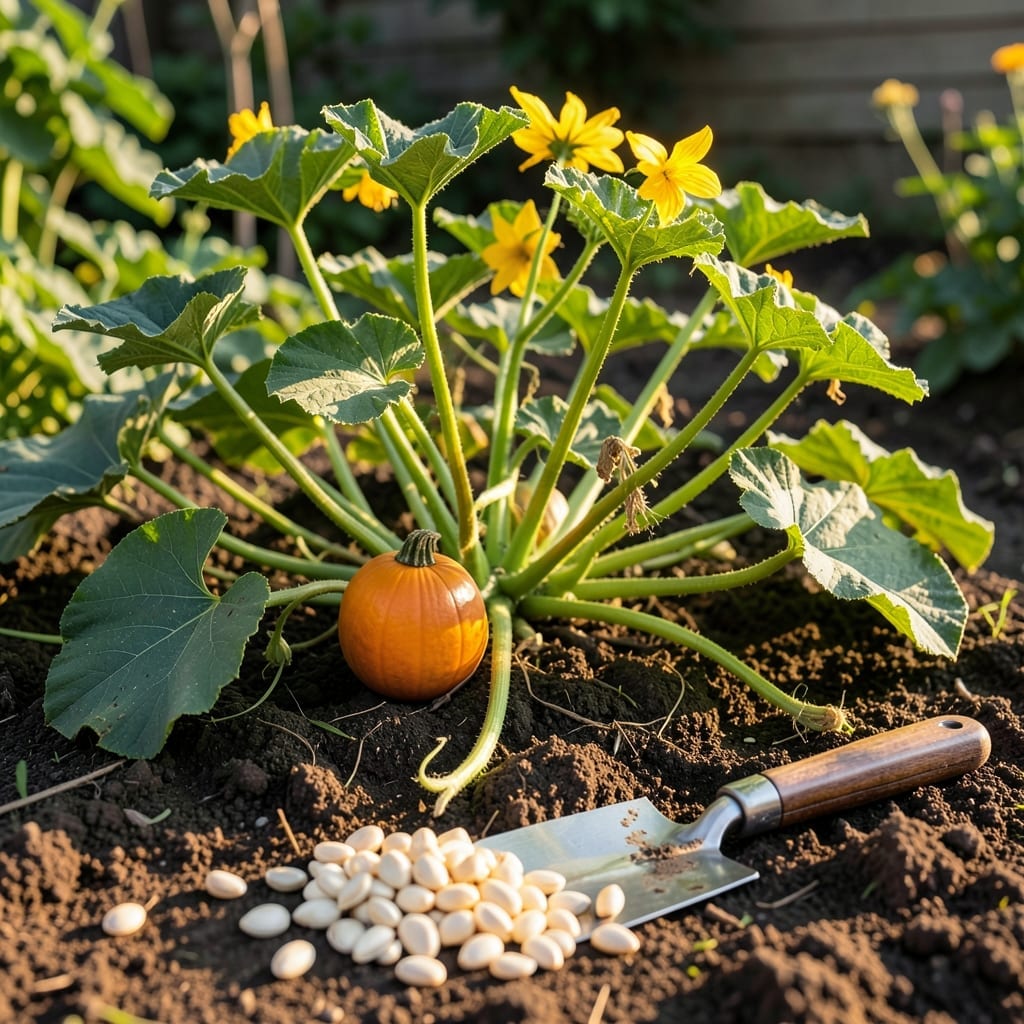
Timing is everything when growing 🎃 Pumpkin—plant too early and frost could wipe out your seedlings. Too late? You might miss the entire harvest window.
In Zone 6, the sweet spot is between April and June, when soil warms up enough for seeds to thrive. But there are a few other factors you should consider first.
Let me walk you through the perfect schedule and conditions to ensure your Pumpkin patch flourishes this season.
Getting the timing right for pumpkin seeds means understanding your local climate. In warmer zones like 7-10, I start sowing as early as March to early April for a head start. Cooler areas like zones 3-5 need to wait until late May or early June when the soil warms up. ☀️
Soil temperature is the key factor—pumpkin seeds won’t germinate well below 60°F. I always use a soil thermometer to check before planting. If you’re in a short-season area, consider fast-maturing varieties like ‘Small Sugar’ or ‘Jack Be Little’. 🌱
| USDA Zone | Start Indoors | Direct Sow | Last Safe Date |
|---|---|---|---|
| 3-4 | Late April | Mid May | Early June |
| 5-6 | Early April | Mid April | Early July |
| 7-8 | Early March | Late March | Mid June |
| 9-10 | Late February | Early March | Late May |
For early varieties, I start seeds indoors 2-4 weeks before the last frost date. This gives them a strong head start but be careful not to transplant too early. Hardening off is crucial to prevent shock when moving seedlings outside. 🌿
In Zone 6, where I garden, the ideal window is April 15 to June 1. This aligns perfectly with the last frost date and ensures the soil is warm enough. I’ve found that ‘Howden’ and ‘Cinderella’ varieties thrive in this schedule.
If you’re in a short-season area, don’t despair. You can still grow pumpkins by choosing quick-maturing types or using black plastic mulch to warm the soil faster. I’ve had success with ‘New England Pie’ in as little as 85 days. ✂️
For southern climates, the challenge is often heat stress. I recommend planting in late summer for a fall harvest. Varieties like ‘Calabaza’ handle heat well and can be sown in August for a October harvest.
Always check your local frost dates and adjust accordingly. I use the National Weather Service or a reliable gardening almanac to confirm my planting windows. Remember, pumpkins need 75-100 days to mature, so plan backward from your first expected frost.
If you’re unsure about your soil temperature, a simple trick is to check the forecast for consistent nighttime temps above 50°F. That’s my signal that it’s safe to sow. And don’t forget to water deeply after planting to encourage strong root growth. 💧
Finally, keep an eye on the 10-day forecast before sowing. A surprise late frost can wipe out your seedlings, so I always have frost cloth on hand just in case. With the right timing and a little preparation, you’ll be well on your way to a bumper pumpkin crop.
While timing is crucial, other factors can make or break your pumpkin seed germination. I always check soil temperature first—anything below 60°F will slow or stop growth. A soil thermometer is my go-to tool for accuracy. 🌱
Next, moisture levels matter. Pumpkin seeds need consistent dampness but not soggy soil. I water deeply once after sowing, then keep the top inch moist until sprouts appear. Overwatering can rot seeds, so I use well-draining soil to prevent this. 💧
Seed depth is another critical point. I plant seeds 1 inch deep—shallow enough for warmth but deep enough to stay moist. Any deeper, and seedlings may struggle to emerge. Spacing is just as important; I give each plant 2-3 feet to sprawl. ☀️
Sunlight can’t be ignored. Pumpkins thrive in full sun, meaning at least 6 hours daily. If your garden has partial shade, I recommend choosing a sunnier spot or using reflective mulch to maximize light. 🌿
Finally, companion planting boosts success. I pair pumpkins with beans or corn for natural support. Avoid planting near potatoes, as they compete for nutrients. With these factors dialed in, your seeds will have the best start. ✂️
Don’t forget to mulch around plants to retain moisture and suppress weeds. I use straw or grass clippings for a natural, effective barrier. This simple step keeps soil temps steady and reduces watering needs. 🌱