
Beautiful Plants For Your Interior
Beautiful Plants For Your Interior
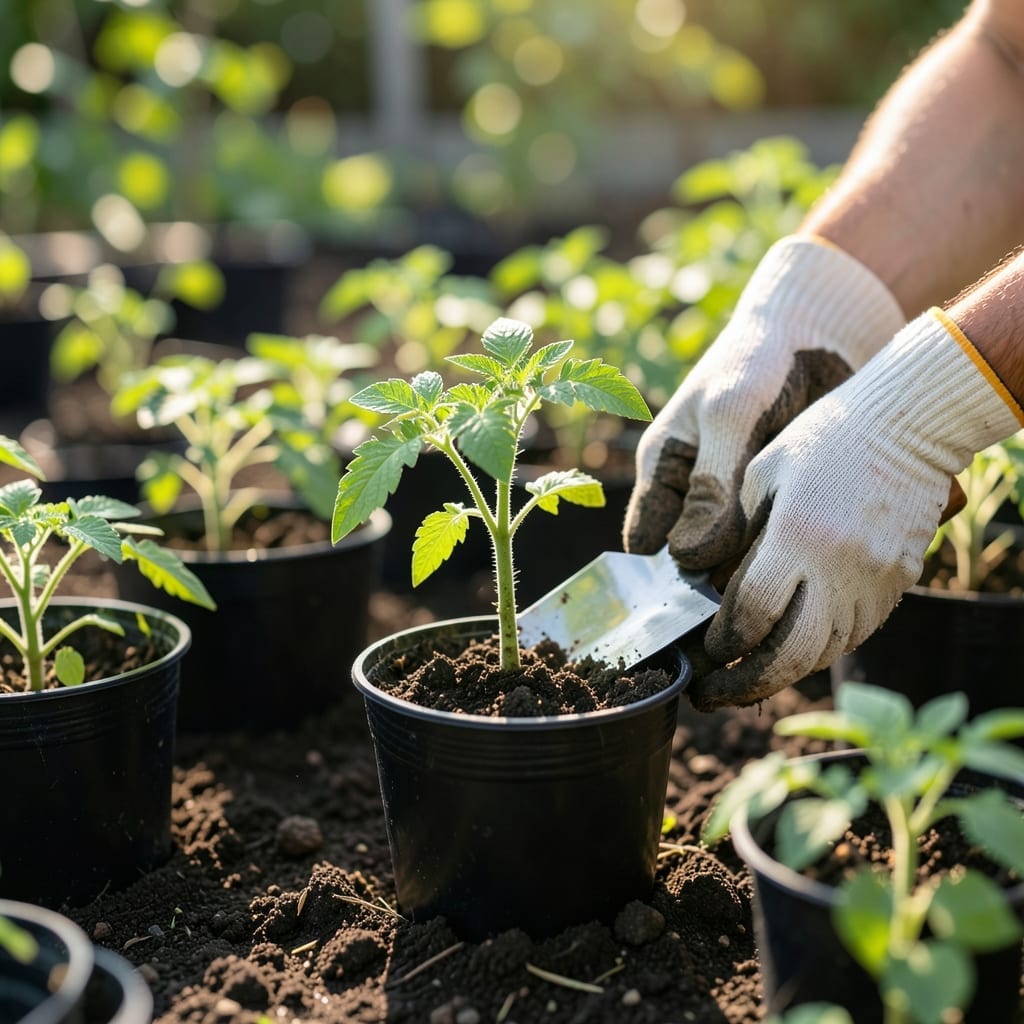
Timing is everything when planting Vegetables in Oklahoma’s unpredictable climate. Get it right, and you’ll enjoy a bountiful harvest; get it wrong, and your garden could struggle before it even starts.
I’ve seen too many gardeners jump the gun in spring, only to watch their plants wilt under a late frost. The solution lies in understanding Oklahoma’s unique 6b-8a zones.
There’s a better way to plan your garden that aligns with nature’s rhythm. By following a simple schedule, you can avoid the guesswork and set your Vegetables up for success.
Let me walk you through the key windows for planting, so you can grow with confidence and reap the rewards all season long.
Oklahoma’s USDA zones 6-8 create a unique challenge for vegetable planting. The key is understanding frost dates and seasonal shifts in your specific area. I’ve found that timing can vary by 2-3 weeks even within the same zone.
Our last frost typically hits around April 15, while the first frost arrives near October 15. This gives most of us about 180 frost-free days to work with.
| Season | Vegetable Type | Planting Window | Key Varieties |
|---|---|---|---|
| Early Spring | Cool-season | Feb 15 – Mar 15 | Lettuce, peas, spinach |
| Late Spring | Warm-season | Apr 15 – May 15 | Tomatoes, peppers, beans |
| Summer | Heat-tolerant | June – July | Okra, sweet potatoes, southern peas |
| Fall | Cool-season | Aug 15 – Sep 15 | Broccoli, carrots, kale |
For cool-season crops, I always start peas and spinach as soon as the soil can be worked in early spring. These can tolerate light frosts, which we often get in March.
When soil temperatures reach 60°F, it’s time for warm-season favorites like tomatoes and peppers. I use a soil thermometer to be precise—guessing can lead to stunted growth.
Oklahoma’s summer heat can be brutal, so I focus on drought-resistant varieties like okra and black-eyed peas. These thrive when temperatures exceed 90°F.
For fall planting, I count backward from our first frost date. Broccoli needs about 60 days, so I plant by mid-August to ensure a harvest before frost.
Don’t forget that microclimates matter in Oklahoma. Urban areas may be warmer than rural spots, allowing for earlier planting by 1-2 weeks.
I’ve learned that mulching helps regulate soil temperature and moisture, which is crucial during our temperature swings. A 2-3 inch layer of organic mulch works wonders.
Finally, always check your local weather before planting. Oklahoma’s unpredictable late frosts in spring and early frosts in fall can catch even experienced gardeners off guard.
With this schedule, you’ll maximize your growing season and enjoy fresh vegetables from spring through fall 🌱
Planning your Oklahoma vegetable garden by month takes the guesswork out of timing. I’ve found that breaking it down this way helps avoid overlapping crops and maximizes harvest windows throughout the year.
Each month offers unique opportunities, from cold-hardy greens in early spring to heat-loving okra in the peak of summer. Timing your planting right ensures strong starts and productive plants. 🌱
In February, I start seeds indoors for cabbage and broccoli. These need a 6-8 week head start before transplanting outside in March or April.
By March, the soil is usually workable for direct sowing. I love planting sugar snap peas early—they thrive in cool weather and produce sweet pods before summer heat sets in.
April is all about warm-season crops. I wait until soil temps hit 60°F before planting tomatoes and peppers. Using black plastic mulch can speed up soil warming.
Summer planting in Oklahoma means focusing on heat-tolerant varieties. Okra and southern peas are my go-to choices—they thrive in 90°F+ temperatures where other plants wilt.
For fall crops, I plant broccoli and kale in mid-August. These need time to mature before the first frost in October, but they’ll keep producing even after light frosts.
With this month-by-month approach, you’ll keep your Oklahoma garden productive from spring through fall 🌿