
Beautiful Plants For Your Interior
Beautiful Plants For Your Interior
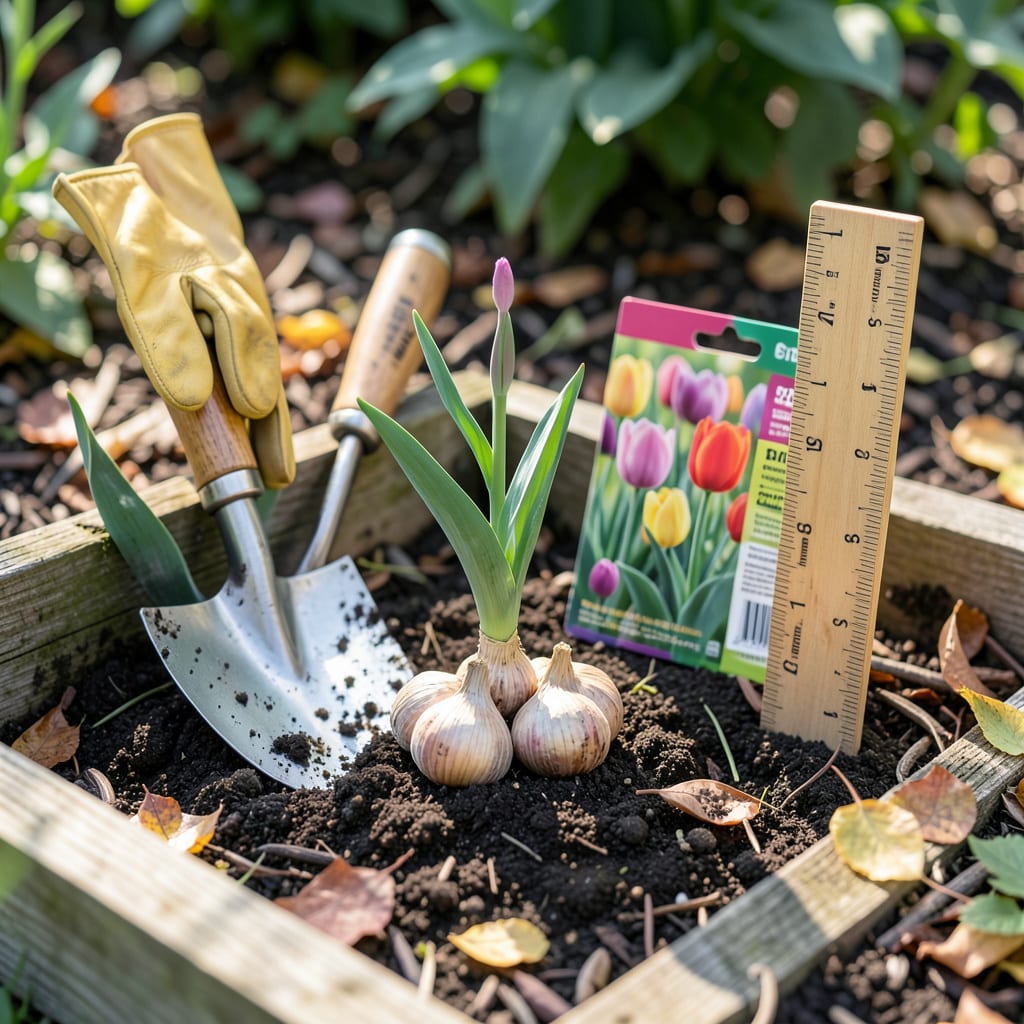
If you’ve ever dreamed of a yard bursting with vibrant 🌷 tulips next spring, the secret starts with perfect timing this fall. Michigan’s unpredictable weather makes nailing that planting window absolutely crucial—too early and bulbs sprout prematurely, too late and they won’t establish roots before winter.
I’ll cut through the guesswork with exact timing for Zone 5 gardens, plus Michigan-specific tips for soil prep and winter protection. Whether you’re in Traverse City or Detroit, you’ll learn how to set your tulips up for show-stopping blooms when spring arrives.
If you want a burst of spring color in your Michigan garden, timing your tulip planting is absolutely critical. As a Zone 5 gardener, you’ll need to get those bulbs in the ground when the soil is cool but not yet frozen. I’ve found that late September through early November is the sweet spot for most of Michigan.
Why fall? Tulip bulbs need 6–8 weeks of chilling in the soil to develop strong roots before winter. Plant too early, and warm soil can cause rot or premature sprouting. Wait too long, and the ground may freeze before roots establish. Michigan’s first frost typically hits around mid-October, so aim to finish planting by then.
| Region | Ideal Planting Window | Soil Temp Goal |
|---|---|---|
| Lower Peninsula | Late Sept–Mid Oct | Below 60°F |
| Upper Peninsula | Early Sept–Early Oct | 55°F or cooler |
| Detroit Area | Oct 1–Nov 1 | 50–60°F |
*Adjust for microclimates—southern exposures may need earlier planting.
In the Upper Peninsula, where winters arrive earlier, I recommend planting by early October. The Lower Peninsula has a bit more flexibility, but don’t push it past November 1. A quick soil check with a thermometer can save you guesswork—60°F or below is your target.
Michigan’s clay-heavy soils can be tricky, so I always amend my beds with compost or sand before planting. This improves drainage and prevents bulbs from sitting in waterlogged soil over winter. If you’re dealing with poor drainage, consider raised beds or planting on a slight slope.
For deer-prone areas (and let’s be honest, that’s most of Michigan!), I swear by daffodil bulbs planted alongside tulips. Deer avoid daffodils, so they’ll often leave your tulips alone too. You can also try repellent sprays or chicken wire cages over planting areas.
After planting, add a 2–3 inch layer of mulch (straw or shredded leaves work well) to insulate the soil. This protects bulbs from freeze-thaw cycles, which are common in Michigan winters. Come spring, remove the mulch gradually as soil temps rise above 50°F to let shoots emerge.
If you miss the fall window, don’t panic! You can still plant tulips in early spring, but you’ll need to pre-chill bulbs in the fridge for 8–10 weeks first. Just place them in a paper bag in the crisper drawer—away from fruit (ethylene gas can damage bulbs).
For the best results, choose Michigan-hardy varieties like ‘Darwin Hybrid’ or ‘Fosteriana’ tulips. These perform well in our climate and often naturalize, coming back year after year. Avoid fancy parrot tulips if you want low-maintenance blooms—they’re stunning but less reliable in Zone 5.
Ready to get planting? Grab your garden trowel, some high-quality bulbs, and mark your calendar for late September. Your future self will thank you when those vibrant tulips pop up next spring! For more tips, check out my Michigan spring bulb care guide.
Now that you know when to plant your tulips in Michigan, let’s dive into the how-to for guaranteed success. I’ve perfected this method over years of gardening in our unpredictable climate, and it works like a charm every time. The key is proper soil preparation and precise planting technique.
Start by selecting a sunny location that gets at least 6 hours of direct sunlight daily. Michigan’s spring weather can be cloudy, so don’t skimp on sunlight exposure. I always test my soil first – tulips thrive in well-draining soil with a pH between 6.0 and 7.0. If your soil is heavy clay (common in Michigan), mix in compost or sand to improve drainage.
*For deer-prone areas, add chicken wire over planting area before mulching
When planting, I use the “pointy end up” rule – the flat side of the bulb goes down, and the pointy end faces upward. This ensures proper growth direction. For depth, aim for 6-8 inches deep, measuring from the base of the bulb. In colder areas like the Upper Peninsula, I plant slightly deeper (8 inches) for extra winter protection.
Spacing matters too! Place bulbs 4-6 inches apart for a full look. If you want a naturalized appearance, scatter them randomly and plant where they land. For formal beds, I use a grid pattern. After planting, water deeply to help settle the soil and eliminate air pockets around the bulbs.
Michigan’s freeze-thaw cycles can be tough on bulbs, so mulching is non-negotiable. I use 2-3 inches of straw or shredded leaves – this insulates the soil and prevents heaving. Avoid wood chips as they can trap too much moisture. In spring, remove mulch gradually as soil temperatures rise to allow shoots to emerge.
For deer-resistant plantings, I interplant tulips with daffodils or alliums. Deer avoid these, protecting your tulips. You can also use repellent sprays in early spring when shoots appear. If voles are a problem in your area, consider planting bulbs in wire cages or using gravel in the planting hole.
After blooming, let the foliage die back naturally – this feeds the bulb for next year. I mark my tulip locations with small stakes so I don’t accidentally disturb them while planting annuals. With proper care, many tulip varieties will naturalize and return for years, giving you more bang for your gardening buck! 🌷
Even experienced gardeners can make critical errors when planting tulips in Michigan. I’ve seen beautiful bulbs fail to bloom because of simple oversights. The most common mistake? Planting too late in fall—once the ground freezes, it’s game over for root development. 🌷
Another big issue is improper depth. Tulips planted too shallow are vulnerable to freezing, while bulbs buried too deep may never emerge. Remember: 6-8 inches deep is ideal for Michigan gardens. I use a measuring stick to ensure consistency across my beds.
*These mistakes can ruin an entire season’s blooms! 🌱
Many gardeners also neglect soil preparation, especially in Michigan’s clay-heavy regions. Without proper drainage, bulbs can rot over winter. I always amend my beds with compost and sand before planting. A quick drainage test (dig a hole, fill with water, see how fast it drains) can save you heartache later.
Mulch matters more than you might think in Michigan. Skipping this step leaves bulbs exposed to our notorious freeze-thaw cycles. I use 2-3 inches of straw—it insulates without smothering. Avoid heavy mulches like wood chips that can trap too much moisture and encourage rot.
Don’t overlook deer protection either. Michigan’s deer population loves tulips! I’ve had entire beds decimated overnight. My solution? Interplant with daffodils (which deer avoid) or use chicken wire cages over planting areas. Repellent sprays work too, but need reapplication after rain.
Finally, resist the urge to cut foliage too soon after blooming. Those leaves feed the bulb for next year. I wait until they turn yellow and pull away easily. Mark your planting spots with small stakes so you don’t accidentally damage bulbs while gardening. 🌿
Planting too early in warm soil can cause premature sprouting or bulb rot. The ideal soil temperature should be below 60°F to prevent these issues.
Early planting also risks exposing tender growth to late summer heat waves, which can stress the bulbs before winter even arrives.
Yes, but you’ll need to pre-chill bulbs in your fridge for 8-10 weeks first. This mimics winter conditions they’d normally experience in the ground.
Spring-planted tulips often bloom later and may not perform as well as fall-planted ones in Michigan’s climate.
Apply a 2-3 inch layer of mulch (straw or shredded leaves) after planting. This insulation prevents soil heaving that can damage bulbs.
Avoid heavy mulches like wood chips that retain too much moisture, which can lead to rot during Michigan’s wet winters.
Interplant tulips with daffodils or alliums—deer avoid these. You can also use chicken wire cages over planting areas.
Repellent sprays work temporarily but need reapplication after rain, especially during Michigan’s unpredictable spring weather.
Plant bulbs 6-8 inches deep, measuring from the base. In heavy clay, consider planting at the deeper end (8 inches) for better protection.
Amend clay soil with compost or sand to improve drainage and prevent bulb rot during Michigan’s wet springs.
