
Beautiful Plants For Your Interior
Beautiful Plants For Your Interior
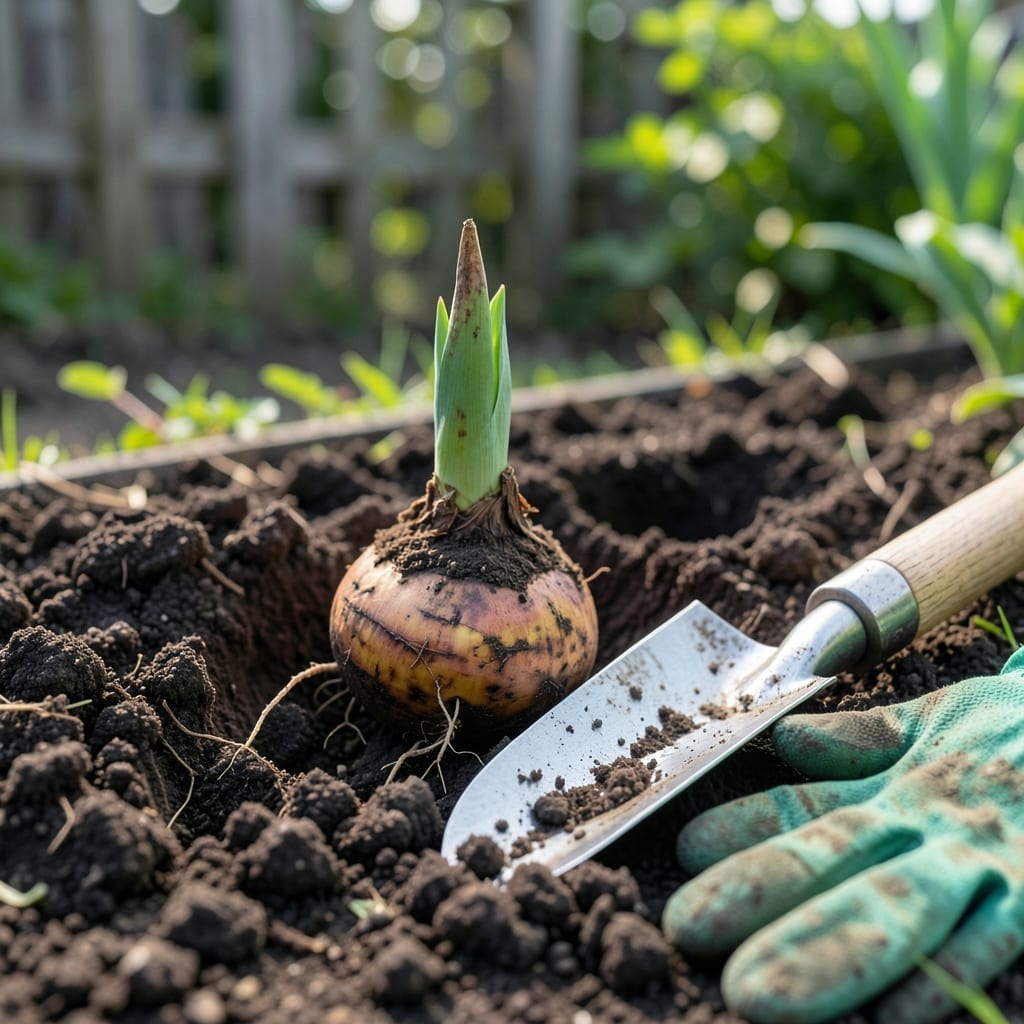
Timing is everything when planting Tulip bulbs in New Jersey. Plant too early, and warm soil may trigger premature sprouting; plant too late, and bulbs won’t establish roots before winter.
As a gardener in zones 6b-7a, you need to get this just right. The fall season offers a narrow window where soil temperatures and moisture levels are perfect for root development.
I’ve seen many Jersey gardeners struggle with timing, but the solution is simpler than you think. The key is working with nature’s schedule, not against it.
Let me walk you through the optimal planting window and why it makes all the difference for those vibrant spring blooms you’re dreaming of.
In New Jersey, the ideal time to plant tulip bulbs is in the fall, typically from mid-October to early November. This timing ensures bulbs establish strong root systems before winter dormancy.
The state spans USDA zones 6b-7a, meaning soil temperatures drop below 60°F in fall, which is perfect for bulb development. Planting too early risks premature sprouting, while late planting may not allow enough root growth.
| Planting Factor | New Jersey Specification |
|---|---|
| Optimal Months | October to November |
| Soil Temperature | Below 60°F |
| USDA Zones | 6b to 7a |
| First Frost Date | Around October 15 |
| Planting Depth | 6 to 8 inches deep |
I recommend planting 6-8 weeks before the first hard frost. In most of New Jersey, this means getting bulbs in the ground by early November. This gives them enough time to root deeply before the ground freezes.
Soil preparation is key. I always test my soil’s drainage first—tulips hate soggy roots. If your garden has heavy clay, consider amending with compost or sand to improve drainage before planting.
For the best spring blooms, choose a location with full sun to partial shade. Tulips thrive with 6+ hours of sunlight daily. In New Jersey’s climate, a south-facing bed often provides the ideal conditions.
I’ve found that bulb spacing matters too. Plant tulips 4-6 inches apart to allow for good air circulation, which helps prevent fungal diseases. This spacing also creates a full, vibrant display come spring.
After planting, I always water thoroughly to settle the soil and encourage root growth. Then, I add a 2-3 inch layer of mulch to insulate the bulbs against winter temperature swings, which are common in New Jersey.
Remember, soil temperature is more important than air temperature. Use a soil thermometer to confirm it’s below 60°F at planting depth. This simple step can make a big difference in your tulips’ success.
If you miss the ideal window, don’t panic. In mild winters, you can plant tulips as late as early December, but earlier is always better for establishing strong, healthy bulbs.
With proper timing and care, your New Jersey garden will burst with colorful tulips next spring 🌷
Planting tulip bulbs in New Jersey requires careful soil preparation. I always start by choosing a spot with well-draining soil to prevent rot. NJ’s clay-heavy areas may need compost or sand mixed in to improve drainage.
The ideal planting depth is 6-8 inches, with bulbs spaced 4-6 inches apart. This gives roots room to establish before winter. I’ve found that pointy-end up ensures proper growth direction.
A 2-3 inch mulch layer of straw or shredded leaves helps insulate bulbs against NJ’s freeze-thaw cycles. I use this trick every year to prevent heaving, where bulbs get pushed out of the ground.
Watering is crucial after planting. I give my tulips 1 inch of water weekly if nature doesn’t provide it. This encourages root development before the ground freezes.
Avoid overwatering though—soggy soil is the fastest way to rot your bulbs. In NJ’s humid climate, I check soil moisture by sticking my finger 2 inches down. If it’s dry, it’s time to water.
Finally, mark your planting spots! I’ve lost count of how many times I’ve accidentally dug up bulbs while planting other things in spring. A few wooden stakes or plant labels save a lot of heartache.
🌷