
Beautiful Plants For Your Interior
Beautiful Plants For Your Interior
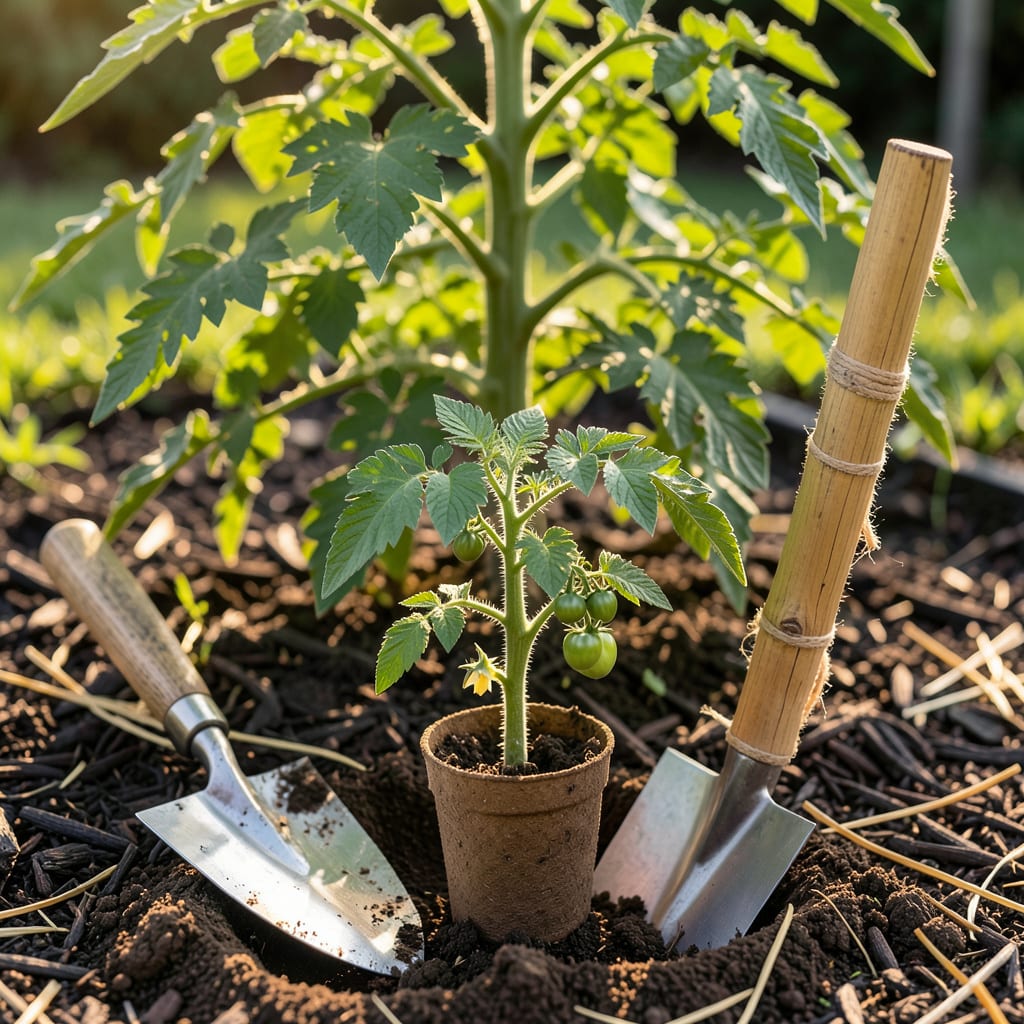
Timing your tomato planting in Texas can mean the difference between a bountiful harvest and a disappointing one. The Lone Star State’s diverse climate means what works in Dallas won’t always fly in Houston – and that 2-week window between success and failure is narrower than you think.
I’ve helped Texas gardeners crack this code for years, and the secret lies in your specific growing zone. Whether you’re in the Panhandle or the Gulf Coast, we’ll pinpoint exactly when to get those 🍅 seedlings in the ground – plus how to beat the heat when summer arrives early.
If you’re wondering when to plant tomatoes in Texas, the answer depends entirely on where you live. Texas spans USDA zones 6a-10a, meaning planting dates can vary by 4-6 weeks across the state. The key is timing your planting around the last frost date for spring and the first frost date for fall.
In North Texas (Zone 7-8), you’ll plant later than gardeners in South Texas (Zone 9-10). For example, Dallas gardeners should wait until mid-March, while those in Houston can start as early as late February. Soil temperature matters too—aim for 60°F or warmer at planting depth.
| Region | USDA Zone | Spring Planting | Fall Planting |
|---|---|---|---|
| North Texas (Dallas, Fort Worth) | 7b-8a | March 15 – April 1 | August 15 – September 1 |
| Central Texas (Austin, San Antonio) | 8a-8b | February 15 – March 15 | August 1 – August 15 |
| Gulf Coast (Houston, Corpus Christi) | 9a-9b | February 1 – February 28 | July 15 – August 1 |
| West Texas (El Paso, Lubbock) | 7a-8a | March 10 – March 30 | August 10 – August 25 |
| South Texas (Brownsville, Laredo) | 10a | January 15 – February 15 | July 1 – July 15 |
Note: Adjust dates by 1-2 weeks based on microclimates and annual weather patterns.
For spring planting, I always recommend starting seeds indoors 6-8 weeks before your last frost date. This gives your seedlings a head start. If you’re transplanting nursery-bought plants, wait until nighttime temperatures stay above 50°F to avoid shocking the plants.
Fall planting is trickier but can yield a second harvest before winter. Aim to plant 10-12 weeks before your first expected frost. In Houston (Zone 9), that might be late July, while Amarillo (Zone 7) gardeners should wait until mid-August. Use fast-maturing varieties like ‘Early Girl’ or ‘Celebrity’ for fall crops.
Don’t forget about soil prep! Texas soils vary from clay-heavy in North Texas to sandy along the coast. Work in 2-3 inches of compost and consider a balanced fertilizer (10-10-10) at planting. Mulch heavily with straw or shredded leaves to retain moisture in our hot climate.
If you’re in urban areas like Dallas or Austin, watch for “heat islands” that can raise local temperatures. Container gardeners should use large pots (5+ gallons) and monitor soil moisture daily. For rural gardens, windbreaks may be needed in West Texas to protect young plants from drying out.
Pro tip: Use a soil thermometer to check temperatures at 4-inch depth. If it reads below 60°F, hold off on planting—cold soil stunts growth. And if you’re planting in summer for fall harvest, provide 30-50% shade cloth to protect seedlings from scorching.
Remember, Texas weather is unpredictable! Keep an eye on 10-day forecasts and be ready to cover plants if a late frost threatens. For the most accurate dates, consult your local county extension office or use tools like the Texas A&M AgriLife Frost Date Calculator.
By following these zone-specific guidelines, you’ll set your tomato plants up for success—whether you’re growing cherry tomatoes on a patio or beefsteaks in a backyard garden. Happy planting, and here’s to a bumper crop of homegrown Texas tomatoes! 🌿
Even experienced Texas gardeners can sabotage their tomato crops by making these common timing mistakes. I’ve seen firsthand how these errors lead to stunted plants, blossom drop, or even complete crop failure. Let’s fix them before you plant!
The biggest offender? Ignoring soil temperature. Many gardeners focus on air temperature, but tomatoes need soil at least 60°F to thrive. Planting in cold soil (below 55°F) causes slow growth and poor fruit set, even if air temps seem warm.
Fix these issues to double your harvest this season!
Another costly mistake is planting during peak summer. While it’s tempting to try for a continuous harvest, June and July plantings in most of Texas face 90°F+ temperatures that prevent fruit set. Tomatoes won’t pollinate properly when nights stay above 75°F.
Many Texas gardeners also choose the wrong tomato varieties for our climate. Standard varieties often struggle with our heat and humidity. Instead, opt for heat-tolerant varieties like ‘Heatmaster’, ‘Solar Fire’, or ‘Tycoon’ that can set fruit in 90°F+ weather.
Don’t overlook your local microclimate either. Urban areas with concrete and asphalt can be 5-10°F warmer than surrounding rural areas. If you’re gardening on a patio or in containers, you may need to adjust planting times 1-2 weeks earlier than regional guidelines suggest.
Finally, watering mistakes plague many Texas tomato growers. Inconsistent watering leads to blossom end rot, while overhead watering in our humid climate invites fungal diseases. Use drip irrigation and water deeply 2-3 times per week rather than daily light watering.
By avoiding these five critical errors, you’ll dramatically improve your chances of a successful Texas tomato harvest. Remember, our unpredictable weather means flexibility is key—always have row covers ready for late frosts and shade cloth for unexpected heat waves! 🌱
When you’re planting tomatoes in Texas, choosing the right variety is just as important as timing. Our scorching summers and humid conditions demand tomatoes that can handle the heat while still producing juicy fruit. After years of testing, I’ve found these varieties consistently outperform others in Texas gardens.
The ‘Heatmaster’ tomato lives up to its name, thriving in 95°F+ temperatures where other varieties wilt. This hybrid produces medium-sized red fruits that resist cracking, even in our unpredictable Texas weather. It’s my top recommendation for North and Central Texas gardeners who want reliable production.
Tip: Pair heat-tolerant varieties with mulch and drip irrigation for best results in Texas summers.
For Gulf Coast gardeners, the ‘Creole’ tomato is a local favorite. This heirloom variety handles our humidity and salt air better than most, producing large, meaty fruits perfect for slicing. It does need consistent watering to prevent blossom end rot in our sandy soils.
If you’re looking for cherry tomatoes, ‘Solar Fire’ is my go-to. This variety keeps producing when temperatures soar, unlike standard cherry tomatoes that often stop setting fruit in July. The bright red, sweet fruits are perfect for salads and resist splitting even in heavy rains.
For container gardeners, ‘Patio Princess’ is a winner. This compact variety stays under 2 feet tall but produces full-sized tomatoes. It’s perfect for balconies and small spaces, and its early maturity (about 55 days) helps beat the worst summer heat.
Remember, even the best heat-tolerant varieties need proper care in Texas. Use shade cloth during peak afternoon heat, maintain consistent moisture, and fertilize with a low-nitrogen, high-phosphorus blend to encourage fruiting. With the right variety and care, you can enjoy homegrown tomatoes from spring through fall in Texas! 🌿
In South Texas (Zone 10a), you can start as early as mid-January for spring planting. The Gulf Coast’s mild winters allow for earlier planting than other regions. Just watch for unexpected cold snaps and be ready to cover plants if needed.
When temperatures exceed 90°F, tomato plants often stop setting fruit. This happens because pollen becomes sterile in extreme heat. Try shade cloth for afternoon protection and choose heat-tolerant varieties like ‘Heatmaster’ or ‘Solar Fire’.
In Zone 9-10 areas (like Houston or Brownsville), you can nearly achieve this. Plant in late February for spring and July-August for fall. Winter may require protection, but many gardeners enjoy 10+ months of production.
Use frost blankets or plastic milk jugs with bottoms removed over seedlings. For best results, cover plants before sunset to trap daytime heat. Remove covers by 10 AM to prevent overheating.
Amend clay with 3-4 inches of compost and 1 inch of sand before planting. This improves drainage and root development. Consider raised beds for even better results in heavy clay areas.
