
Beautiful Plants For Your Interior
Beautiful Plants For Your Interior
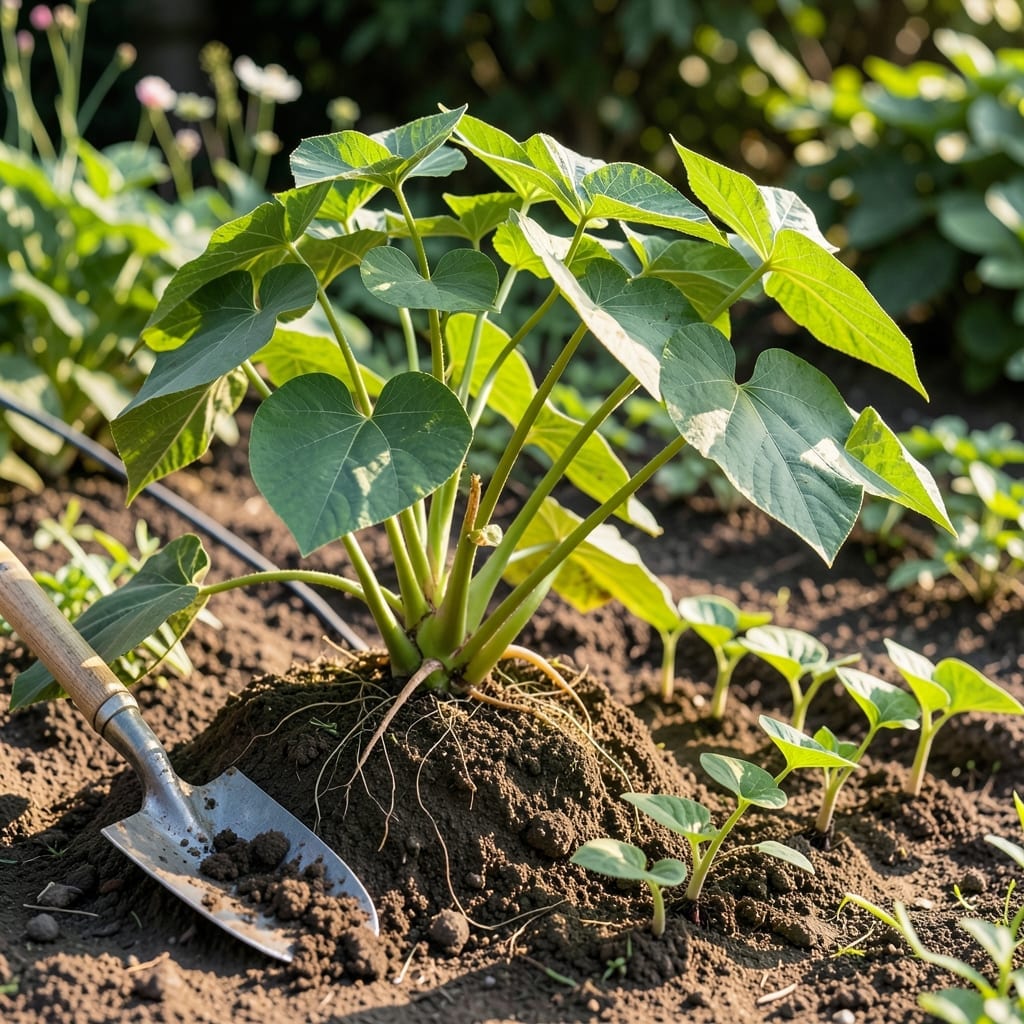
Alabama’s warm climate makes it ideal for growing Sweet Potato 🍠, but timing is everything. Plant too early or too late, and you risk poor yields or frost damage.
For gardeners in Zone 7b-8a, the planting window is crucial. The soil needs to be warm enough, and the last frost must have passed to give your slips the best start.
I’ve tested different schedules, and the results are clear. There’s a perfect planting window that maximizes your harvest while avoiding common pitfalls.
Let me show you exactly when to plant and how to prepare for a thriving Sweet Potato crop in Alabama. It’s simpler than you think.
Alabama’s Zone 8 climate offers two ideal windows for planting sweet potatoes. The first is mid-May to early June for a summer harvest, when soil temps hit 75-85°F. This timing avoids late frosts while giving vines 90-120 days to mature before fall.
For a second crop, plant slips in late July. This ensures tubers develop before the first frost (typically mid-November). I’ve found this schedule works perfectly in Birmingham, Mobile, and Huntsville regions.
| Planting Window | Timing | Soil Temp | Harvest Window |
|---|---|---|---|
| Spring | Mid-May to early June | 75-85°F | October-November |
| Fall | Late July | 80°F+ | Before first frost |
In northern Alabama, wait until soil reaches 65°F—usually after April 15. I recommend using a soil thermometer to confirm. Planting too early in cool soil stunts growth and risks rot.
For southern Alabama, the window starts earlier—late April works if frosts have passed. But remember, sweet potatoes hate cold. Even a light frost can damage vines, so always check local forecasts.
I’ve learned that black plastic mulch helps warm soil faster in spring. It also suppresses weeds, which compete with young slips. Just secure it tightly to prevent wind damage.
Another key factor is day length. Sweet potatoes need short days (10-11 hours of light) to form tubers. That’s why July plantings often yield smaller potatoes—they’re racing against shortening days.
If you’re in coastal areas like Mobile, humidity is high. Ensure good air circulation to prevent fungal diseases. I space my slips 18 inches apart in raised beds for better drainage.
For fall planting, choose fast-maturing varieties like Beauregard or Centennial. These need 90-100 days to harvest, fitting neatly before frost. Avoid late varieties—they won’t size up in time.
Finally, always harden off slips before planting. I set mine outside for 3-4 days in partial shade to acclimate. This reduces transplant shock and speeds establishment.
With these timings, you’ll maximize yields and avoid common pitfalls in Alabama’s unique climate. 🌱
Preparing your soil and slips properly sets the stage for a bountiful sweet potato harvest in Alabama. The key is loose, well-draining soil with a pH of 5.8-6.5 to prevent tuber deformities.
I always start by testing my soil. If it’s too acidic, I add lime a few weeks before planting. For clay-heavy soils, mixing in compost and sand improves drainage, which is critical for healthy tubers.
For sourcing slips, I recommend local nurseries or certified online growers. Avoid grocery store sweet potatoes, as they’re often treated to prevent sprouting. If you’re growing your own slips, start 10-12 weeks before planting by suspending a sweet potato in water.
Once slips are ready, harden them off in partial shade. This step is crucial to reduce transplant shock. I place mine outside for a few hours each day, gradually increasing exposure.
When planting, set slips 4-6 inches deep with the top leaves just above soil. Planting too deep can delay growth, while shallow planting risks drying out. In raised beds, I’ve found slips establish faster due to improved drainage.
Finally, water slips deeply after planting to settle the soil. I use a drip irrigation system to keep foliage dry and prevent disease. With these steps, your slips will thrive in Alabama’s warm, humid climate. 🌱