
Beautiful Plants For Your Interior
Beautiful Plants For Your Interior
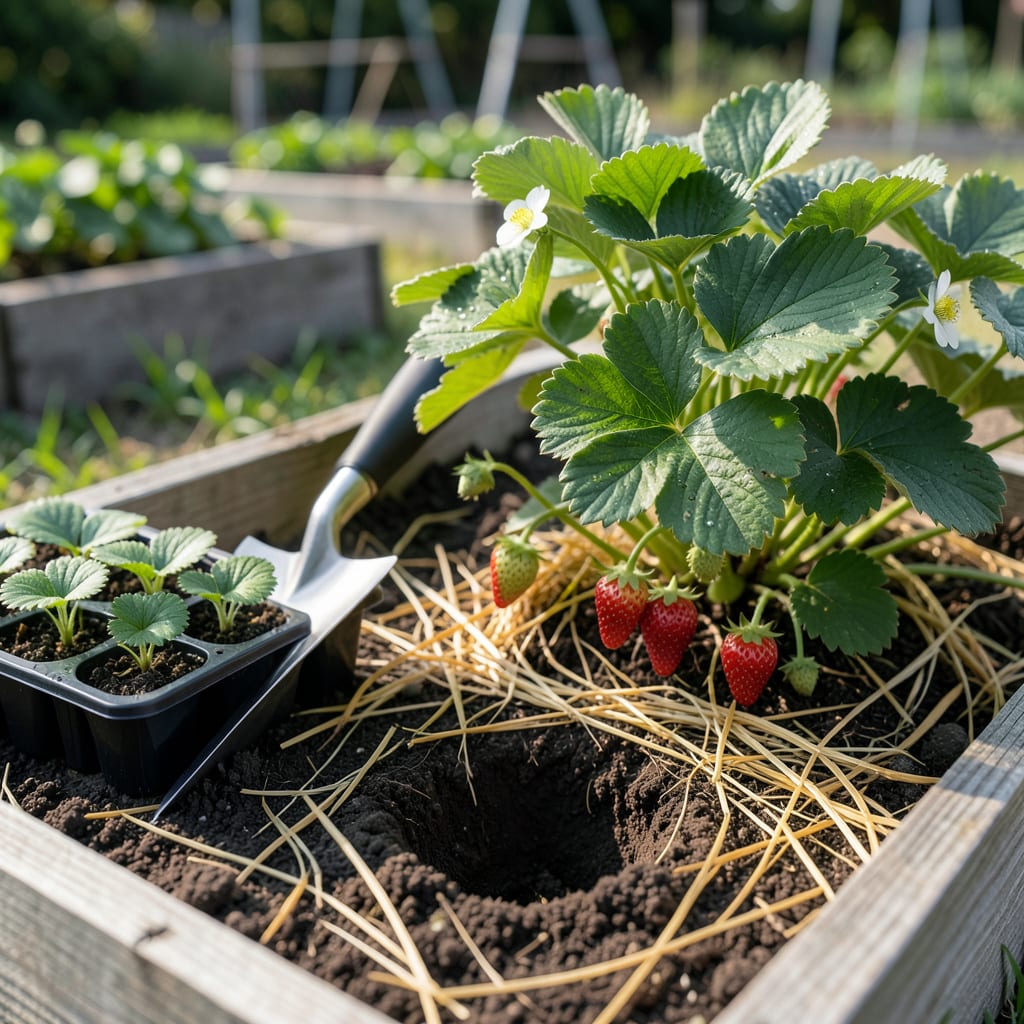
Georgia’s unpredictable weather can turn strawberry planting into a gamble—plant too soon, and a late frost wipes out your crop. But time it right, and you’ll be rewarded with juicy, sun-ripened berries all season long.
After testing different planting windows across the state, I’ve found the sweet spot that balances frost risk and heat tolerance. Whether you’re in the mountains or along the coast, I’ll show you exactly when to get those 🍓 strawberries in the ground for maximum yields.
Georgia’s diverse climate means your strawberry planting window depends on where you live. In North Georgia (Zones 7a-7b), you’ll need to watch for late frosts, while Coastal Georgia (Zone 8b) enjoys milder winters. Timing is critical—plant too early, and tender plants may succumb to frost; too late, and they’ll struggle in summer heat.
For most of the state, early spring (March to April) is ideal for June-bearing varieties, while fall planting (September to October) works best for everbearing or day-neutral types. I’ll break down the exact windows by region, so you can plan with confidence. Always check your local frost dates for precision!
| Region | USDA Zone | Spring Planting | Fall Planting | Last Frost Date |
|---|---|---|---|---|
| North Georgia (Mountains) | 7a-7b | Mid-April to early May | Late Sept to mid-Oct | April 15–25 |
| Central Georgia (Piedmont) | 7b-8a | Late March to mid-April | Early Sept to early Oct | April 1–15 |
| South Georgia (Coastal Plain) | 8a-8b | Early March to late March | Late Aug to late Sept | March 15–25 |
Note: Adjust dates by 1–2 weeks for microclimates (urban areas, elevation changes).
If you’re in North Georgia, aim to plant 2–3 weeks after your last frost. The soil should be workable and warmed to at least 50°F. I recommend using a soil thermometer—it’s a game-changer for avoiding cold shock. For fall planting, get strawberries in the ground 6 weeks before your first expected frost.
Down in South Georgia, you’ve got a longer growing season, but heat tolerance becomes key. Varieties like ‘Camarosa’ or ‘Sweet Charlie’ handle the warmth better. Plant in early spring to avoid summer scorching, or opt for fall planting to establish roots before winter. Mulch heavily to retain moisture!
For Central Georgia, you’re in the Goldilocks zone—not too hot, not too cold. Mid-March to mid-April is your sweet spot for spring planting. If you’re going for a fall crop, September is ideal. Just watch for unseasonable heatwaves, which can stress young plants. Row covers can help if temps spike.
Pro tip: Bare-root strawberries need extra care in Georgia’s clay-heavy soils. I always soak roots for 1 hour before planting and mix in compost or pine bark fines to improve drainage. Space plants 12–18 inches apart in rows 3 feet apart to allow for runners. Water deeply after planting—1 inch per week is the golden rule.
Don’t forget about soil pH! Strawberries thrive in slightly acidic soil (5.5–6.5). Test your soil before planting—Georgia’s natural pH often leans acidic, but urban areas may need amendments. A simple home test kit from your local extension office works perfectly. If your pH is too high, mix in sulfur or peat moss.
If you’re planting in containers, you’ve got more flexibility. Move pots to shadier spots when temps exceed 85°F to prevent heat stress. I love using 5-gallon buckets with drainage holes—they’re cheap, portable, and perfect for patio gardening. Just ensure containers get 6–8 hours of sun daily.
Finally, keep an eye on the 10-day forecast before planting. If nighttime temps are still dipping below 32°F, hold off or use frost blankets. Georgia’s weather can be unpredictable, but a little patience pays off with sweeter, juicier berries. Trust me, the wait is worth it when you’re picking your first ripe strawberries!
For the best results, mark your calendar for soil prep in late winter (add compost, test pH) and planting day based on your region. Then, sit back and watch those green leaves pop up—your future strawberry patch is on its way! 🌱
Not all strawberries thrive equally in Georgia’s heat and humidity. The three main types—June-bearing, everbearing, and day-neutral—each have unique planting times and harvest windows. Choosing the right one can mean the difference between a bountiful harvest and a disappointing yield.
In Georgia, June-bearing varieties like ‘Chandler’ or ‘Camarosa’ are popular for their large, sweet berries but produce just once per year. Meanwhile, everbearing and day-neutral types offer multiple harvests—ideal for gardeners who want steady production. Let’s break down which works best for your goals.
| Variety Type | Best Planting Time | Harvest Window | Yield Potential | Georgia-Friendly? |
|---|---|---|---|---|
| June-Bearing (e.g., ‘Chandler’) | Early spring (March–April) | 1 big harvest (4–6 weeks) | High (large berries) | ✅ Best for North/Central GA |
| Everbearing (e.g., ‘Albion’) | Spring or fall (March or Sept) | 2–3 harvests (spring, summer, fall) | Medium (steady production) | ✅ Heat-tolerant, great for South GA |
| Day-Neutral (e.g., ‘Seascape’) | Fall preferred (Sept–Oct) | Continuous (until frost) | Medium (smaller berries) | ✅ Best for containers/patio gardens |
Tip: ‘Camarosa’ and ‘Sweet Charlie’ are top picks for Georgia’s heat.
For beginner gardeners, I recommend starting with June-bearing varieties like ‘Chandler’. They’re easier to manage and produce a single, massive harvest—perfect for jams or freezing. Plant them in early spring (after frost) for a late May to June harvest. Just be sure to remove runners to boost fruit size.
If you want strawberries all season, everbearing types like ‘Albion’ are your best bet. They handle Georgia’s summer heat better than June-bearers and produce two to three crops per year. Plant in spring or fall, but avoid midsummer planting—the heat can shock young plants. Mulch heavily to retain moisture.
Day-neutral strawberries (like ‘Seascape’) are the most flexible but require consistent care. They’re ideal for container gardening or small spaces since they produce continuously until frost. In Georgia, fall planting works best to avoid summer stress. Keep soil evenly moist—drought causes small, bitter berries.
No matter which type you choose, soil prep is key. Georgia’s clay soil can suffocate roots, so amend beds with compost and sand for drainage. Raise beds 6–8 inches to improve airflow and reduce disease. I also add pine straw mulch to keep berries clean and deter weeds. A little extra effort now means bigger, sweeter strawberries later! 🌱
Even experienced gardeners can sabotage their strawberry crop with simple oversights. Georgia’s unpredictable weather and clay-heavy soils create unique challenges. After helping dozens of gardeners troubleshoot their patches, I’ve pinpointed the three most common mistakes—and how to fix them before they ruin your harvest.
First up: ignoring soil pH. Strawberries demand acidic soil (5.5–6.5), but Georgia’s native soil often skews too alkaline. Skipping a soil test can lead to stunted plants or tiny, sour berries. The fix? Test your soil and amend with sulfur or pine needles if needed.
Pro Tip: Row covers extend seasons—use them for early spring or fall protection!
Another critical error: poor drainage. Georgia’s clay soil holds water like a sponge, which rotting roots love. If your planting site stays soggy after rain, build raised beds (6–8″ high) or amend soil with compost and sand. I’ve saved countless plants by mixing in pine bark fines for better airflow.
Finally, don’t overlook watering consistency. Strawberries need 1–1.5 inches of water weekly, but drip irrigation beats overhead sprinklers. Wet leaves invite fungal diseases like gray mold. Water in the early morning so foliage dries quickly. Mulch with straw or black plastic to lock in moisture and keep berries clean.
Bonus mistake: forgetting to remove runners. While runners create new plants, they steal energy from fruit production. For June-bearing varieties, clip runners until after harvest. For everbearing types, let a few establish but thin the rest. This simple step can double your berry size!
Remember, Georgia’s humidity and heat demand extra vigilance. Check plants daily for pests (slugs, spider mites) and disease signs (yellow leaves, mold). A little prevention—like neem oil sprays or copper fungicide—goes a long way in our damp climate. With these fixes, you’ll avoid the pitfalls that trip up most gardeners! 🪴
For North Georgia (Zones 7a-7b), aim for mid-April to early May for spring planting. This timing avoids late frosts while giving plants time to establish before summer heat. Fall planting works best from late September to mid-October.
Avoid summer planting in Georgia—the heat and humidity stress young plants. If you must, opt for container-grown plants in partial shade and keep soil consistently moist. Early fall (September) is a safer choice for establishing new plants.
Space strawberry plants 12–18 inches apart in rows 3 feet apart. This allows for runners to spread while ensuring good airflow to prevent disease. Crowding leads to smaller berries and higher risk of fungal issues.
Containers offer more flexibility! You can plant 2–3 weeks earlier in spring since pots warm up faster. Just move them to shade when temps exceed 85°F. Fall planting follows the same schedule as in-ground, but monitor soil moisture closely.
