
Beautiful Plants For Your Interior
Beautiful Plants For Your Interior
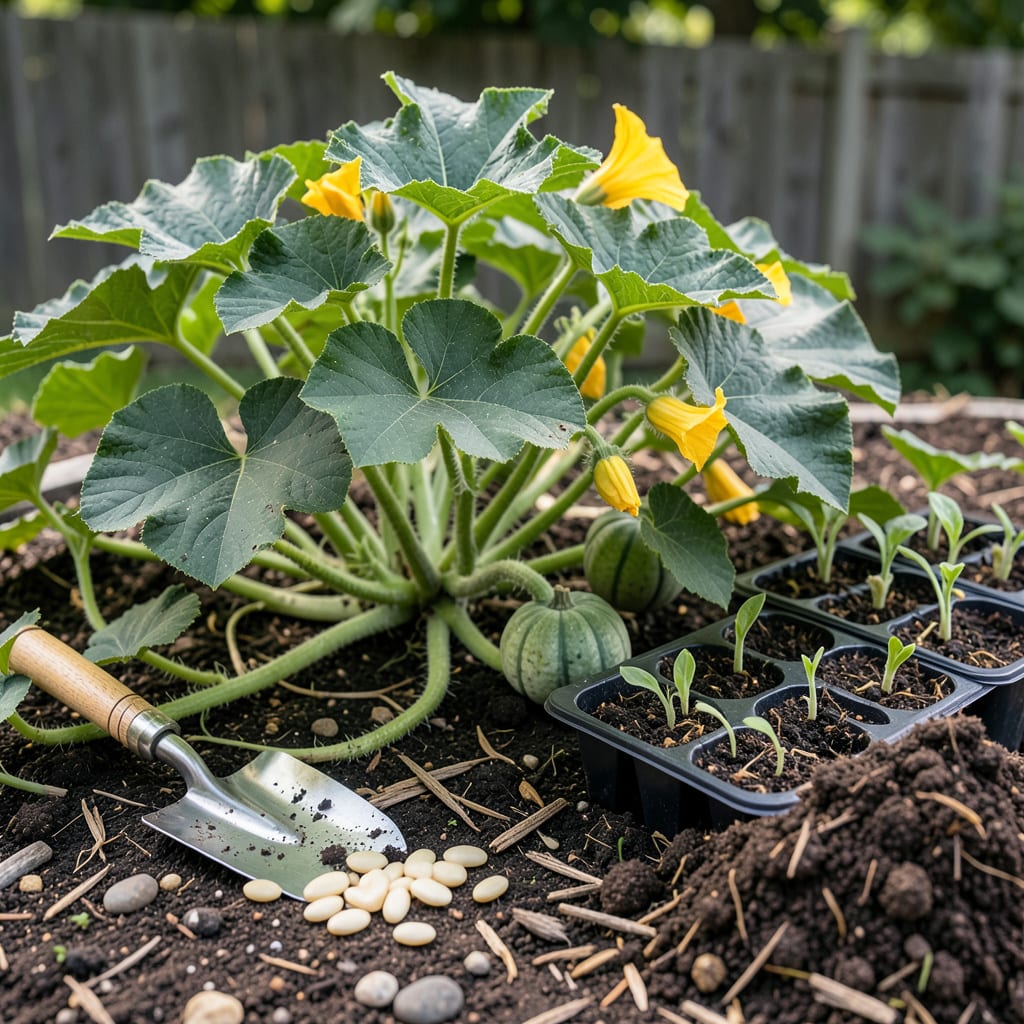
Timing your pumpkin planting in Oklahoma can mean the difference between a bountiful harvest and a disappointing season. Our state’s unpredictable weather—with late frosts in spring and scorching summer heat—demands precision.
I’ve dug into the data (and the dirt) to pinpoint the exact window for Zone 7a gardeners. Whether you’re aiming for jack-o’-lanterns or pie pumpkins, you’ll want to mark your calendar for late May through early July. Let’s get your 🎃 patch off to the right start.
If you’ve ever dreamed of growing giant orange pumpkins in Oklahoma, timing your planting is non-negotiable. Our state’s USDA zones 6a-8a mean frost dates vary wildly—from late April in the southeast to mid-May in the Panhandle. Plant too early, and a surprise freeze could kill your seedlings overnight.
Here’s the golden rule: Soil temperature must hit 60°F before seeds go in. In most of Oklahoma, that sweet spot lands between late May and early July. But don’t just trust the calendar—use a soil thermometer to confirm. I’ll break down exact dates by region so you can avoid costly mistakes.
See how the southeast corner gets a head start? That’s because McCurtain County averages 200+ frost-free days, while Guymon in the Panhandle barely hits 165. If you’re in Tulsa or Oklahoma City, aim for May 15–June 10 to balance frost risk and heat stress later in summer.
Pro tip: Watch the 10-day forecast before planting. Oklahoma’s spring weather is notorious for late cold snaps. I once lost an entire patch to a freak May frost—now I wait until nighttime temps stay above 50°F for at least a week straight.
For giant pumpkin varieties like ‘Dill’s Atlantic’ (120+ days to maturity), you’ll need to plant by early June at the latest. Faster varieties like ‘Early Giant’ (90 days) can go in as late as early July and still mature before first frost. Always check your seed packet’s “days to maturity” and count backward from October 20.
Don’t forget soil prep! Oklahoma’s clay-heavy soil drains poorly, which can rot pumpkin seeds. I amend my beds with 3 inches of compost and 1 inch of sand to improve drainage. A soil test is worth it—pumpkins thrive in pH 6.0–6.8. Our local OSU Extension offices offer cheap testing.
If you’re itching to get started earlier, use black plastic mulch to warm the soil 2–3 weeks ahead of time. Just secure it tightly—Oklahoma winds will steal it otherwise! For extra protection, try row covers until plants flower, but remove them during the day if temps exceed 85°F to prevent overheating.
Remember: Pumpkins hate wet feet. In our summer monsoons, plant on slightly raised mounds (12–18 inches tall) to prevent root rot. Space vines 5–6 feet apart—they’ll sprawl like crazy in our heat. I use a drip irrigation system to keep foliage dry and reduce powdery mildew, which thrives in Oklahoma’s humid summers.
Finally, mark your calendar for harvest in late September through October. A pumpkin’s rind should be hard as a fingernail and the stem dry and woody. Cut stems with 3–4 inches attached to extend storage life. Now go grab your seeds—it’s almost pumpkin-planting time in Oklahoma! 🎃
Even with perfect timing, Oklahoma’s unpredictable weather and heavy clay soil can sabotage your pumpkin patch. After years of trial and error (and a few heartbreaking losses), I’ve identified the three biggest mistakes local gardeners make—along with fixes to save your harvest.
The first blunder? Ignoring soil temperature. Many Oklahomans plant by the calendar instead of checking if the soil has warmed to 60°F or higher. I learned this the hard way when my early May seeds rotted in cold, wet ground. Use a soil thermometer—it’s a $10 investment that prevents disaster.
Another common error is skipping the soil test. Oklahoma’s soil often lacks organic matter and may have pH imbalances. Pumpkins thrive in pH 6.0–6.8. For $15, your local OSU Extension office will test your soil and recommend amendments. I add aged manure and bone meal based on my test results—it’s made a noticeable difference in vine health and fruit size.
Oklahomans also tend to overcrowd pumpkin plants. Those tiny seedlings will explode into 10–25-foot vines! Space plants 5–6 feet apart in rows 8–10 feet wide. If space is tight, train vines vertically on sturdy trellises (use nylon stockings to support fruit). Last year, I grew ‘Sugar Pie’ pumpkins on a cattle panel arch—saved space and reduced disease.
Finally, don’t forget about pests and diseases. Oklahoma’s humid summers create perfect conditions for powdery mildew and squash bugs. I prevent issues by: 1) Using drip irrigation to keep leaves dry, 2) Applying neem oil spray every 2 weeks, and 3) Planting nasturtiums as a trap crop for aphids. At the first sign of wilting, check stems for squash vine borers—they’ll kill a plant in days.
By avoiding these pitfalls, you’ll set your pumpkins up for success. Remember: In Oklahoma, it’s not just about when you plant, but how you prepare. Next, let’s dive into the best varieties for our short fall season—because not all pumpkins are created equal in the Sooner State! 🎃
Not all pumpkins thrive in Oklahoma’s short fall season, so choosing the right variety is just as important as timing. Our 185-day growing window means you’ll need to match your pumpkin’s days to maturity with your planting date. Let’s break down the best options for Sooner State gardeners.
For giant pumpkins like ‘Dill’s Atlantic Giant’ (120+ days), you’ll need to plant by early June to beat the first frost. These monsters can weigh 100+ pounds but require rich soil and consistent watering. If you’re after size, start seeds indoors in late April for a head start.
If you’re short on time, ‘Early Giant’ or ‘Sugar Pie’ are your best bets. These varieties mature in 85–100 days, so you can plant as late as early July and still get a harvest. For something unique, try ‘Cinderella’ (Rouge Vif d’Etampes)—its deep red-orange color and flat shape make it a showstopper.
Oklahoma’s summer heat can stress pumpkin vines, so look for heat-tolerant varieties like ‘Gladiator’ or ‘Pankow’s Field’. These handle our 90°F+ temps better than traditional types. For drought-prone areas (looking at you, Panhandle!), ‘Buckskin’ pumpkins have thicker rinds that resist cracking during dry spells.
Don’t forget about pollination! Oklahoma’s native bees and squash bees are great pollinators, but if you notice few flowers setting fruit, try hand-pollinating in the early morning. Use a small paintbrush to transfer pollen from male to female flowers—it’s easy and boosts your yield significantly.
For the best results, pair your variety choice with proper spacing. Giant pumpkins need 100+ sq ft per plant, while smaller types can manage with 25 sq ft. In Oklahoma’s windy conditions, consider planting a living windbreak like sunflowers on the west side of your patch to protect delicate vines. 🎃
Pumpkin seeds need soil that’s at least 60°F to germinate properly. In Oklahoma, this usually happens between late May and early July. Use a soil thermometer to check—it’s the only way to be sure. Planting in cold soil risks seed rot.
Yes, but timing is tricky! Start seeds indoors 2-3 weeks before your last frost date (around April 15 for most of Oklahoma). Use biodegradable pots to avoid disturbing roots during transplant. Harden off seedlings for 1 week before moving them outside.
Cover young plants with frost blankets or plastic cloches if temps dip below 50°F. Remove covers during the day to prevent overheating. For extra warmth, use black plastic mulch to raise soil temperature by a few degrees.
For fast-maturing varieties like ‘Sugar Pie’ or ‘Jack Be Little’, you can plant as late as early July and still harvest before frost. Giant varieties need to go in by early June to reach full size. Always check the “days to maturity” on your seed packet.
Amend heavy clay with 3 inches of compost and 1 inch of coarse sand to improve drainage. Plant on 12–18-inch mounds to keep roots from sitting in water. A soil test from your local OSU Extension office can reveal specific amendments needed.
