
Beautiful Plants For Your Interior
Beautiful Plants For Your Interior
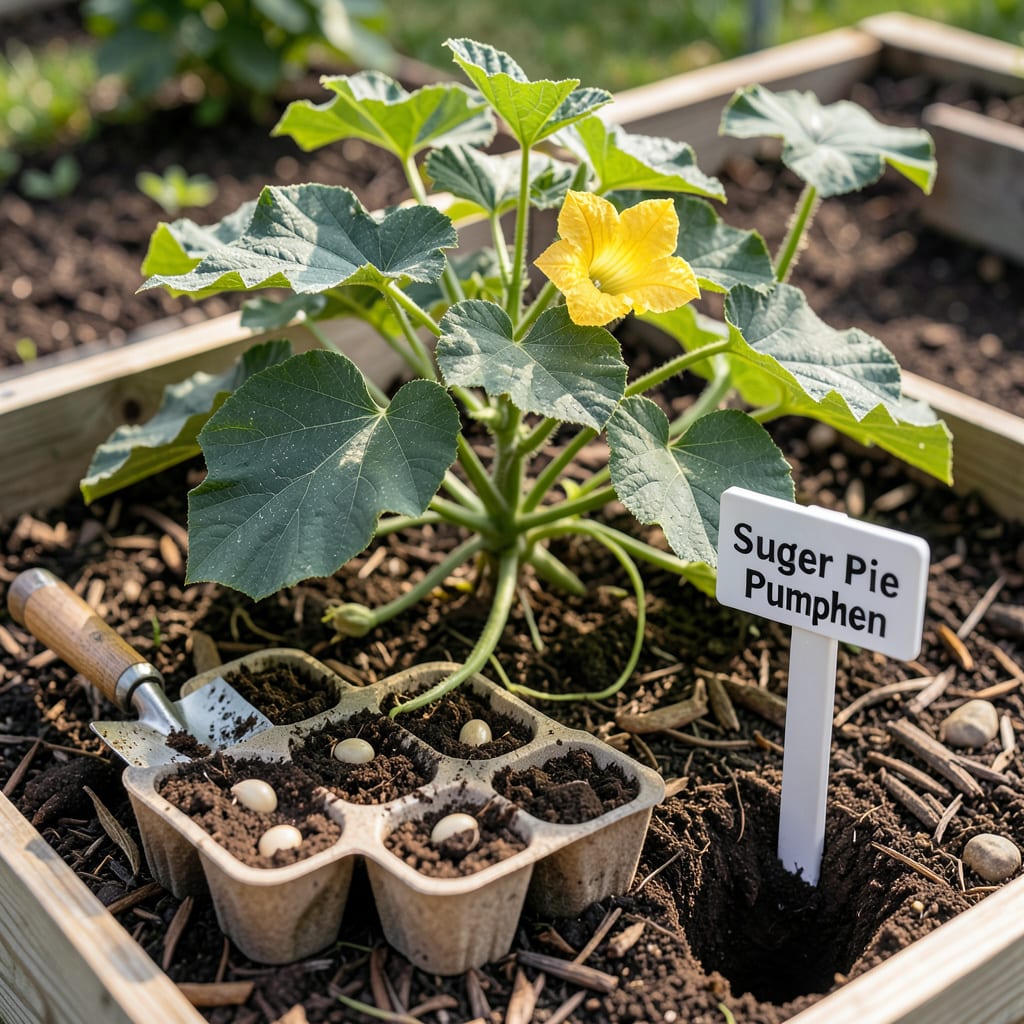
Timing your 🎃 pumpkin planting in Ohio can mean the difference between a bountiful fall harvest and a disappointing patch. Plant too early, and late frosts might wipe out your seedlings; wait too long, and your pumpkins won’t mature before October’s first chill.
After years of testing, I’ve found the sweet spot for Ohio gardeners is late May through early July—but only after soil reaches 60°F. Stick with me, and I’ll show you how to nail the timing for your specific zone, whether you’re in Columbus or Cleveland.
Ohio’s USDA zones 5a–6b create a patchwork of planting windows for pumpkins. In northern Ohio (Zone 5a), you’ll need to wait until late May—after the last frost (typically May 10–20). Southern Ohio (Zone 6b) can start 1–2 weeks earlier.
The secret isn’t just the calendar date—it’s soil temperature. Pumpkin seeds won’t germinate well below 60°F. Use a soil thermometer to check 4-inch depth temps before planting. Cold, wet soil leads to rot, so patience pays off.
| Zone | Last Frost Date | Planting Window | Soil Temp Threshold | Harvest Window |
|---|---|---|---|---|
| 5a (Toledo, Cleveland) | May 10–20 | Late May–June 10 | 60°F+ | Sept 20–Oct 10 |
| 5b (Akron, Mansfield) | May 1–10 | Mid-May–June 1 | 60°F+ | Sept 15–Oct 5 |
| 6a (Columbus, Dayton) | April 20–30 | Early May–June 1 | 60°F+ | Sept 10–Oct 1 |
| 6b (Cincinnati, Marietta) | April 10–20 | Late April–May 15 | 60°F+ | Sept 1–Sept 25 |
For early varieties like ‘Jack Be Little’ (90 days to maturity), plant by June 1 to ensure harvest before first frost. Giant pumpkins (120+ days) need a May 1–15 start in Zone 6, or May 10–25 in Zone 5.
Want to extend your season? Use black plastic mulch to warm soil faster in spring, or row covers for early plantings. In cooler zones, I’ve had success with cloches for seedlings until nights stay above 50°F.
Pro tip: If you’re growing for Halloween jack-o’-lanterns, count backward from October 15 (average first frost). Most varieties need 100–120 days, so aim for a late May planting in Zone 5 or mid-May in Zone 6.
Soil prep matters too! Work in 2–3 inches of compost before planting, and choose a well-draining spot—pumpkins hate “wet feet.” I like to plant in mounds (12–18 inches tall) to improve drainage and warm soil faster.
If you’re starting seeds indoors, begin 2–3 weeks before transplanting (around April 15–May 1 for most zones). Use biodegradable pots to avoid root shock. Harden off seedlings for 7–10 days before moving them outside.
Watch the 10-day forecast before planting. If nighttime temps dip below 50°F, hold off or use protection. Pumpkins grow fast once established—vines can spread 10–20 feet, so give them room or train them vertically on sturdy trellises.
Finally, keep an eye on pollinators. Pumpkins need bees for fruit set, so avoid pesticides during flowering. I plant borage or marigolds nearby to attract pollinators and deter pests like squash bugs.
Even with perfect timing, Ohio gardeners can sabotage their 🎃 pumpkin harvest by overlooking key details. The most common blunder? Skipping soil prep. Pumpkins crave nutrient-rich, well-draining soil—tossing seeds into heavy clay without compost guarantees weak vines and small fruits.
Another costly error is underestimating vine spread. Those cute little seedlings will explode into 10–20-foot monsters if given space. Crowding plants reduces airflow, inviting powdery mildew and stunting fruit. I use a 3-foot spacing minimum for standard varieties.
A third mistake is planting too deep. Pumpkin seeds need only 1-inch depth—bury them deeper, and they’ll struggle to emerge. If direct-sowing, I plant 2–3 seeds per mound, thinning to the strongest seedling once true leaves appear.
Finally, many gardeners overlook pest prevention. Ohio’s humid summers are perfect for squash bugs and cucumber beetles. I lay aluminum foil mulch at planting to deter pests, then switch to straw once vines spread. Handpick bugs early morning when they’re sluggish.
Don’t let powdery mildew ruin your harvest! Space plants for airflow, water at the base (not leaves), and apply neem oil preventatively. I’ve saved countless vines by spraying every 10–14 days in July and August.
Lastly, resist the urge to harvest too early. Pumpkins left on the vine too long soften, but picked too soon won’t ripen properly. Wait until the stem hardens and the rind resists fingernail pressure. In Ohio, that’s usually late September through October.
Not all 🎃 pumpkins grow the same in Ohio’s climate. If you’re after quick results for fall decor, smaller varieties like ‘Jack Be Little’ mature in just 90 days. These can be planted as late as early July and still ripen before frost.
For carving pumpkins, ‘Howden’ and ‘Gladiator’ are Ohio favorites, needing 100–110 days. Plant these by June 1 in Zone 5 or May 15 in Zone 6 to guarantee Halloween-ready fruits. Their medium-sized vines (10–15 feet) fit well in most gardens.
| Variety | Days to Maturity | Ideal Planting Window | Vine Length | Best Use |
|---|---|---|---|---|
| Jack Be Little | 90 | June 1–July 1 | 5–8 ft | Mini decor, pies |
| Howden | 100–110 | May 15–June 1 | 10–15 ft | Carving, jack-o’-lanterns |
| Cinderella | 100–110 | May 15–June 1 | 12–18 ft | Fairytale decor, baking |
| Atlantic Giant | 120–130 | May 1–May 15 | 15–20 ft | Competitions, displays |
Giant pumpkins like ‘Atlantic Giant’ demand an early start—plant by May 1 in Zone 6 or May 10 in Zone 5. These monsters need 120–130 days and extra space (20+ foot vines). Use black plastic mulch to warm soil and weekly fertilizer (high phosphorus) for record-breaking size.
To extend your season, try row covers for early plantings or succession planting. I plant a second crop of ‘Jack Be Little’ in early July for late-season mini pumpkins. For giants, focus on one strong vine—prune others to direct energy into your champion fruit.
Ohio’s humid summers can challenge giant varieties. Combat powdery mildew with neem oil sprays every 10–14 days. I’ve found morning watering (at the base) keeps foliage dry and reduces disease risk while supporting rapid growth.
For competition growers, soil prep is critical. Amend planting holes with aged manure and bone meal for phosphorus. Bury compost tea bags near roots for slow-release nutrients. In my experience, giants thrive when soil pH stays between 6.0–6.8—test and amend as needed.
For Zone 5a (Cleveland, Toledo), wait until late May—after the last frost date of May 10–20. Soil temps must reach 60°F at 4-inch depth. Planting earlier risks seed rot or frost damage.
Yes! Begin indoors 2–3 weeks before transplanting (around April 15–May 1). Use biodegradable pots to avoid root shock. Harden off seedlings for 7–10 days before moving outside when soil is warm.
Use a soil thermometer to check 4-inch depth temps. Pumpkin seeds need 60°F+ to germinate well. Cold, wet soil causes rot, so wait if temps are below 55°F. Morning sun warms soil faster than shaded spots.
For jack-o’-lantern varieties (100–110 days), plant by June 1 in Zone 5 or June 10 in Zone 6. Smaller varieties like ‘Jack Be Little’ (90 days) can go in until early July. Count backward from October 15 (avg. first frost).
Giant varieties (120+ days) need planting by May 1–15. Standard carving types (100–110 days) can go in until June 1. Mini pumpkins (90 days) tolerate early July plantings. Adjust based on your zone!
