
Beautiful Plants For Your Interior
Beautiful Plants For Your Interior
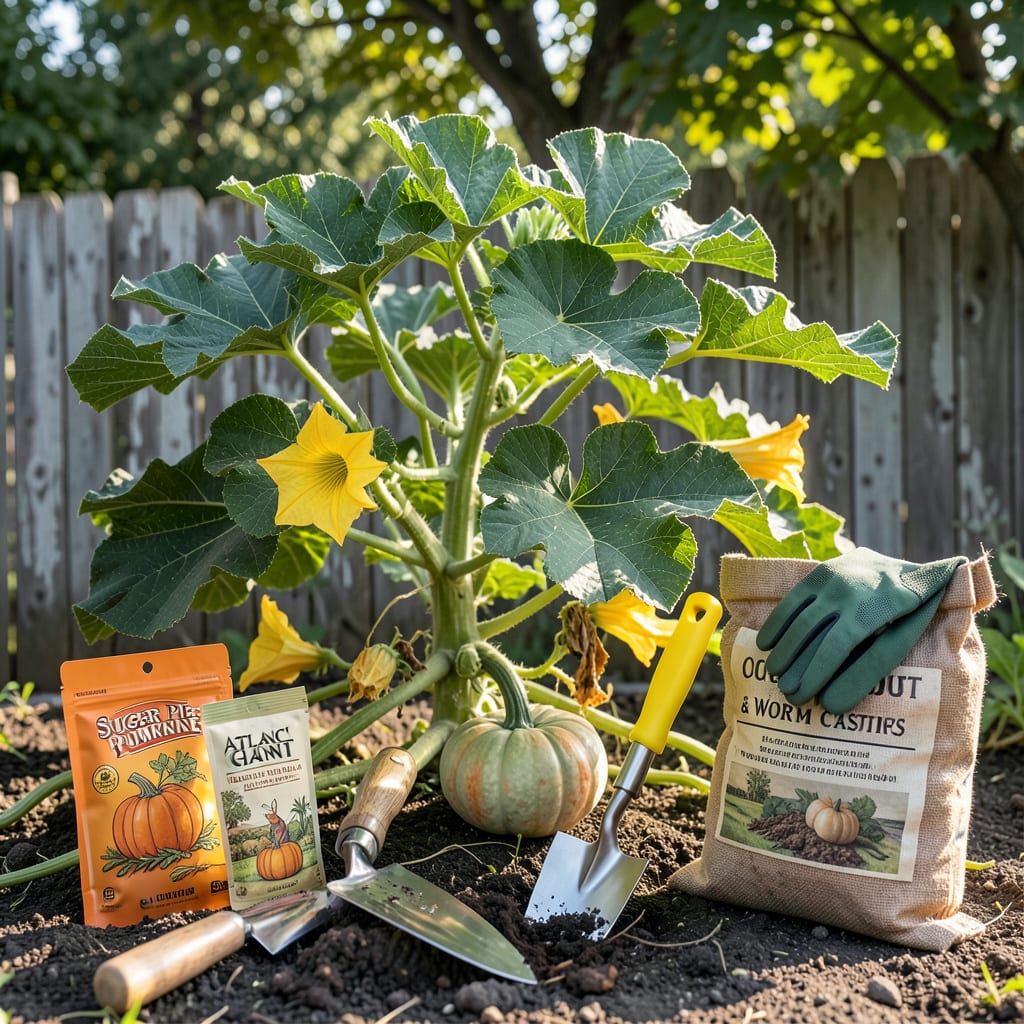
Timing your pumpkin planting in North Carolina can mean the difference between a bountiful harvest and a disappointing patch. From the Piedmont’s rolling hills to the humid Coastal Plains, our state’s diverse climate zones demand careful planning.
I’ve seen too many gardeners rush to plant in early spring, only to lose their crop to a late frost. Let me show you exactly when to get those 🎃 seeds in the ground—whether you’re in Raleigh, Asheville, or Wilmington—for pumpkins that thrive and mature just in time for fall.
If you’ve ever wondered why your neighbor’s pumpkins thrive while yours struggle, it often comes down to microclimates. North Carolina’s diverse regions—from the Piedmont’s rolling hills to the humid Coastal Plains—can shift planting dates by 2-3 weeks. Timing matters!
In the Piedmont, where frost lingers longer, I recommend waiting until late April to early May. Coastal growers, though, can often start 2 weeks earlier thanks to milder winters. But soil temperature is the real secret—60°F or warmer is non-negotiable.
| Region | Ideal Planting Window | Last Frost Date | Soil Temp Threshold |
|---|---|---|---|
| Piedmont (Raleigh, Charlotte) |
Late April – Early May | April 15 | 60°F+ |
| Coastal Plains (Wilmington, New Bern) |
Early April – Mid-April | March 25 | 60°F+ |
| Mountains (Asheville, Boone) |
Early May – Late May | May 1 | 65°F+ |
I always check the 10-day forecast before planting. A late cold snap in the Piedmont can wipe out young vines, while coastal humidity may require extra spacing to prevent mildew. Mountain growers face the shortest season, so fast-maturing varieties like ‘Sugar Pie’ are ideal.
For giant pumpkins, I start seeds indoors 3-4 weeks before transplanting. Smaller varieties? Direct-sow after the last frost. Remember: pumpkins hate wet feet. Plant in mounds or raised rows to improve drainage and warmth.
If you’re in Raleigh or Durham, aim for April 20–May 5. Near Wilmington? You can push it to April 1–15. Mountain folks in Asheville should wait until May 10 to be safe. Always cross-check with your local extension office for hyper-local advice.
I’ve seen gardeners lose entire crops by planting in cold, wet soil. Pumpkin seeds rot at temps below 55°F. If your soil’s too chilly, try black plastic mulch to warm it up faster. A week of 70°F+ soil ensures strong germination.
Don’t forget succession planting! For a steady harvest, I sow a second batch in early June. This works especially well in the Coastal Plains, where the long season allows for multiple plantings. Just ensure you’ve got 100+ days until first frost.
Lastly, watch for pollen-washing rains during flowering. If your vines bloom in a downpour, fruit set may fail. I cover plants with row fabric during heavy storms. Coastal growers deal with this more often—another reason to plant earlier!
By tailoring your timing to NC’s microclimates, you’ll avoid the heartbreak of rotten seeds or unripe pumpkins come October. Trust me, nothing beats the satisfaction of harvesting a homegrown jack-o’-lantern just in time for Halloween! 🎃
You might think planting dates are set in stone, but I’ve found three game-changers that can adjust your timeline by 2+ weeks. Even within the same NC region, these factors can make or break your harvest. Let’s dig into what really moves the needle.
First, your pumpkin variety dictates everything. Giant Atlantic needs 130 days to mature, while Sugar Pie wraps up in 90 days. I always check the seed packet’s “days to maturity” and count backward from Halloween. Coastal growers can push later varieties, but mountain folks should stick to fast finishers.
Giant varieties need 130+ days; small sugar pumpkins mature in 90 days. Coastal NC can handle longer-season types, but mountains require fast-maturing picks like ‘New England Pie.’
Black plastic mulch warms soil 10°F faster than bare ground. I’ve seen Piedmont gardeners plant 2 weeks earlier using this trick. Raised beds also warm quicker—ideal for mountain growers with short seasons.
A La Niña year means earlier planting (2022’s warm spring let me sow April 1). But late cold snaps (like 2021’s April 10 freeze) can kill seedlings. I use row covers for early plantings and delay if temps dip below 50°F at night.
Your soil prep method can fast-track or delay planting. I swear by black plastic mulch—it warms soil 10°F faster than bare ground. In my Raleigh garden, this trick let me plant April 10 instead of April 25. Raised beds also warm quicker, which is gold for mountain growers with short seasons.
Don’t overlook recent weather patterns. A La Niña year (like 2022) brings early warmth—I planted April 1 with great results. But late cold snaps (remember 2021’s April 10 freeze?) can wipe out seedlings. I now use row covers for early plantings and delay if night temps dip below 50°F.
Here’s my pro tip: Start seeds indoors for giant varieties. I use 4-inch peat pots and a heat mat to germinate seeds 3 weeks early. Transplant when soil hits 65°F and harden off plants for 5 days first. This gives me a head start without frost risk.
Finally, watch the moon phases—yes, really! I’ve had best results planting during a waxing moon in Taurus or Cancer signs. It’s an old farmer’s trick, but my pumpkins seem to sprout faster. Combine this with the other factors, and you’ll nail your timing every year. 🌱
Planting pumpkins at the wrong time in North Carolina can lead to disastrous results. I’ve seen entire crops lost to late frosts in the Piedmont and unripe pumpkins in the Coastal Plains when timing was off. Let’s break down what goes wrong—and how to fix it.
If you plant too early, a cold snap can kill seedlings overnight. Remember April 10, 2021? That late frost wiped out pumpkin patches across Raleigh. Even if plants survive, chilly soil (below 55°F) causes seeds to rot before sprouting. I lost a whole row that year!
Plant too late, and you’ll end up with tiny, pale pumpkins that won’t last through October. I once planted ‘Howden’ seeds in late June near Wilmington—big mistake! The pumpkins stayed green and soft, perfect for compost, not carving. Coastal NC’s heat speeds growth, but even here, July plantings rarely mature in time.
In the Piedmont, the sweet spot is April 20–May 10. Plant after May 15, and you’re racing the clock. I use a soil thermometer to confirm 65°F+ temps before sowing. Mountain growers have even less wiggle room—May 1–15 is your window, or switch to ‘Small Sugar’ (85 days).
If you’ve already planted too early, don’t panic. Cover seedlings with frost blankets on cold nights, and add black plastic mulch to warm soil. For late plantings, liquid fertilizer (10-10-10) every 2 weeks can speed growth. I’ve saved late crops by pruning excess vines to focus energy on remaining fruit.
Remember: NC’s humidity means powdery mildew thrives on stressed plants. Early plantings in cold, wet soil are magnets for disease, while late plantings suffer in August’s drought. The goldilocks zone? Warm soil, no frost risk, 120 days till Halloween. Nail that, and you’ll be carving homegrown jack-o’-lanterns in no time! 🎃
Pumpkin seeds need soil that’s at least 60°F to germinate properly. Anything below 55°F risks rot or poor sprouting. Use a soil thermometer to check—don’t guess!
For giant varieties, start seeds indoors 3-4 weeks before transplanting. Use 4-inch peat pots and a heat mat for best results. Transplant when soil hits 65°F outside.
Late planting often means small, pale pumpkins that won’t mature in time. Coastal NC can sometimes push to June 1, but Piedmont growers should finish by May 15 for Halloween-ready gourds.
Cover seedlings with frost blankets or row covers on cold nights. Black plastic mulch also helps warm soil faster. Always check the 10-day forecast before planting early.
Mountain growers should choose fast-maturing varieties like ‘Small Sugar’ (85 days) or ‘Spookie’ (75 days). These handle shorter seasons better than giant types.
