
Beautiful Plants For Your Interior
Beautiful Plants For Your Interior
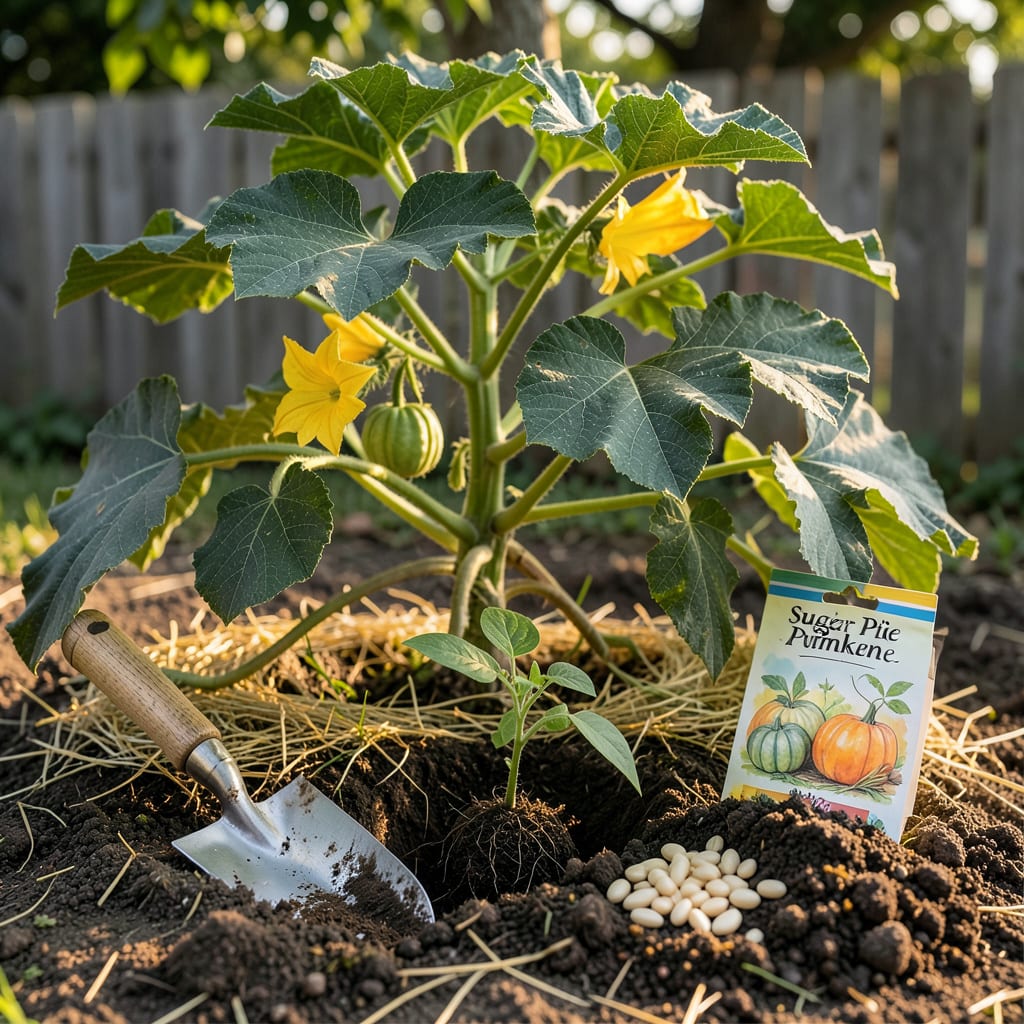
There’s nothing quite like growing your own perfect pumpkin—whether it’s for a glowing jack-o’-lantern or a sweet autumn pie. But in Missouri, timing is everything. Plant too soon, and a late frost could wipe out your seedlings. Wait too long, and you’ll miss the window for a bountiful harvest.
I’ve spent seasons testing the best approach for Missouri’s unpredictable spring weather, and the difference comes down to just a few key weeks. Let’s break down exactly when to get those seeds in the ground—so you can enjoy homegrown 🎃 pumpkins by fall.
If you’re dreaming of carving giant jack-o’-lanterns or baking sweet pumpkin pies this fall, timing your planting is critical in Missouri. Our state spans USDA Zones 5b to 7a, meaning planting dates vary by region. Too early, and frost zaps your seedlings; too late, and fruits won’t mature before harvest.
Missouri’s last frost dates range from mid-April in southern zones to early May up north. But here’s the kicker: pumpkins need soil temps above 60°F—not just air temps—to thrive. I’ll break down the exact windows for your zone, plus pro tips to avoid common pitfalls.
| Zone | Planting Window | Last Frost Date | Soil Temp Goal | Variety Tip |
|---|---|---|---|---|
| 5b (Northern MO) | May 15–June 10 | May 1 | 60–70°F | Early varieties like ‘Jack-O’-Lantern’ |
| 6a (Central MO) | May 1–May 25 | April 15 | 60–70°F | Mid-season ‘Howden’ or ‘Sugar Pie’ |
| 6b/7a (Southern MO) | April 20–May 15 | April 1 | 60–70°F | Giant ‘Dill’s Atlantic’ (130+ days) |
🌱 Pro Tip: Use a soil thermometer to check temps at 4-inch depth—don’t guess! Cold soil causes seeds to rot.
In northern Missouri (Zone 5b), wait until mid-May to plant. I’ve seen gardeners lose seedlings to late frosts in early May—don’t risk it! For central Missouri (Zone 6a), aim for early May planting, but cover seedlings if temps dip below 50°F at night.
Southern Missouri gardeners (Zones 6b/7a) get a head start—late April plantings work if soil is warm. But watch for heavy rains that can waterlog seeds. If your soil is clay-heavy, mound hills 12 inches high to improve drainage and warmth.
For giant pumpkins (like ‘Big Max’), start seeds indoors 3–4 weeks before transplanting. Use biodegradable pots to avoid root shock. Smaller varieties (‘Jack Be Little’) can go straight into the ground—perfect for Missouri’s 120-day season.
Missouri’s humid summers mean fungal diseases thrive. Space vines 5–6 feet apart for airflow, and water at the base of plants (never overhead). Mulch with straw to keep soil warm and suppress weeds—this trick saved my patch last year!
If you’re in St. Louis or Kansas City (Zone 6a), your ideal window is May 1–20. Rural areas may run cooler—adjust by 5–7 days. For Branson or Springfield (Zone 6b), push planting to April 25–May 10 for earlier harvests.
Still unsure? Grab a $10 soil thermometer—it’s my #1 tool for pumpkin success. Or check your local MU Extension office for hyper-local frost data. Remember: pumpkins hate cold feet, so warm soil is non-negotiable!
Mark your calendar: Memorial Day weekend is a safe bet for most of Missouri. By then, soil temps should hit that 60°F sweet spot, and frost risks vanish. Now go grab those seeds and get ready for a bumper crop! 🎃
Even with perfect timing, Missouri’s humid summers and clay-heavy soils can sabotage your pumpkin patch. After years of trial and error (and a few rotten pumpkins!), I’ve pinpointed the five biggest blunders local gardeners make—and how to avoid them.
First up: ignoring soil prep. Pumpkins crave well-draining, nutrient-rich soil with a pH of 6.0–6.8. Skip this step, and you’ll battle poor germination or stunted vines. Test your soil, and amend with compost—especially if you’re dealing with Missouri’s notorious clay soil.
Pumpkin seeds rot in soil below 60°F. Always use a thermometer—don’t guess! In northern MO, wait until mid-May; southern MO can plant late April if soil is warm.
Pumpkins need 50–100 sq ft per plant. Crowding leads to poor airflow and fungal diseases. Space hills 5–6 feet apart and train vines away from each other.
Bare soil dries out fast and weeds compete for nutrients. Use straw or grass clippings to retain moisture, suppress weeds, and keep fruits clean. Bonus: Mulch prevents soil-borne diseases from splashing onto leaves.
Pumpkins need 1–1.5 inches of water weekly, but only at the base. Wet leaves invite powdery mildew. Water in the early morning to allow foliage to dry before evening.
Squash bugs and cucumber beetles love Missouri pumpkins. Check undersides of leaves weekly. Use row covers early or spray neem oil at first sign of eggs. Handpick pests in the cool morning when they’re slow.
Another common mistake? Planting too deep. Pumpkin seeds need only 1 inch of soil coverage. Bury them deeper, and they’ll struggle to emerge. If direct-sowing, plant 4–5 seeds per hill, then thin to the 2 strongest seedlings once they sprout.
Missouri’s unpredictable rainfall can also drown young plants. If your area floods easily, plant in raised mounds (12–18 inches tall) to improve drainage. I lost a whole patch one year to waterlogged soil—now I mound every time, and my pumpkins thrive even after heavy rains.
Finally, don’t forget to fertilize strategically. Pumpkins are heavy feeders—they need a balanced 10-10-10 fertilizer at planting and again when vines start running. Switch to a low-nitrogen mix (like 5-10-10) once fruits form to boost size and sweetness.
Here’s my golden rule: When in doubt, wait. Pumpkins grow fast in Missouri’s summer heat, but they won’t recover from frost damage or rot. If your soil isn’t warm enough or the forecast looks iffy, hold off a week. Your patience will pay off with healthier vines and bigger harvests! 🎃
Not all pumpkins are created equal—especially in Missouri, where our 120-day growing season favors some varieties over others. If you’re dreaming of giant prize-winners or just want quick, reliable harvests for pies and decor, picking the right type is key. Let’s compare the best options for our climate.
For quick results, focus on varieties that mature in 90 days or less. These are perfect if you’re planting late or want an early harvest. ‘Jack Be Little’ (85 days) and ‘Baby Boo’ (90 days) are adorable mini pumpkins ideal for decor. ‘Sugar Pie’ (95 days) is my top pick for baking—sweet, smooth, and just the right size.
| Variety | Days to Maturity | Best For | Size | Missouri Tip |
|---|---|---|---|---|
| Jack Be Little | 85 days | Decor, kids’ gardens | 3″ diameter | Plant in early June for Halloween |
| Sugar Pie | 95 days | Baking, pies | 4–6 lbs | Needs consistent water for sweetness |
| Howden | 110 days | Carving, jack-o’-lanterns | 20–25 lbs | Plant by May 20 in Zone 6a |
| Dill’s Atlantic | 130+ days | Giant pumpkins | 100+ lbs | Start indoors April 15 for southern MO |
🌱 Pro Tip: For giant pumpkins, amend soil with aged manure and use drip irrigation to prevent cracking. In Missouri’s heat, they’ll need 2+ inches of water weekly once fruits set.
If you’re after carving pumpkins, ‘Howden’ (110 days) is the classic choice. It’s disease-resistant and thrives in Missouri’s humidity. For something unique, try ‘Cinderella’ (100 days)—its flattened shape and deep orange color make it a showstopper. Both need full sun and room to sprawl (vines reach 10–15 feet!).
Now, for the giant pumpkin enthusiasts: ‘Dill’s Atlantic Giant’ can top 200 pounds but needs 130+ days. In Missouri, this means starting seeds indoors by mid-April and transplanting after the last frost. Use black plastic mulch to warm soil faster. I grew a 120-pounder last year by feeding with compost tea every 2 weeks!
For succession planting, sow a fast variety like ‘Autumn Gold’ (90 days) in early July for a second harvest. Missouri’s long summers allow this trick—just keep vines watered during August droughts. Avoid late plantings of large varieties; they won’t mature before our first frost (mid-October).
No matter the variety, soil prep is critical. Work in 2–3 inches of compost and test pH (aim for 6.0–6.8). In heavy clay? Build raised mounds (12–18 inches tall) to improve drainage. And don’t forget to rotate crops—never plant pumpkins where cucurbits grew last year to avoid disease buildup. Happy growing! 🎃
For Zone 5b (northern MO), wait until mid-May—after the last frost date of May 1. Soil temps must reach 60°F at a 4-inch depth. Planting earlier risks seed rot or frost damage.
Start giant varieties like ‘Dill’s Atlantic’ indoors 3–4 weeks before transplanting. Use biodegradable pots to avoid root shock. Transplant after last frost when soil hits 60°F.
Cover young plants with frost blankets or plastic cloches if temps drop below 50°F. Remove covers during the day to prevent overheating. In Zone 6a, keep covers handy until late May.
Build raised mounds (12–18 inches tall) to improve drainage and warmth. Mix in 2–3 inches of compost to lighten clay. This prevents waterlogging and helps roots spread more easily.
For fast-maturing varieties like ‘Jack Be Little’ (85 days), plant by early July in most zones. Larger varieties need planting by late May to mature before October frosts.
