
Beautiful Plants For Your Interior
Beautiful Plants For Your Interior
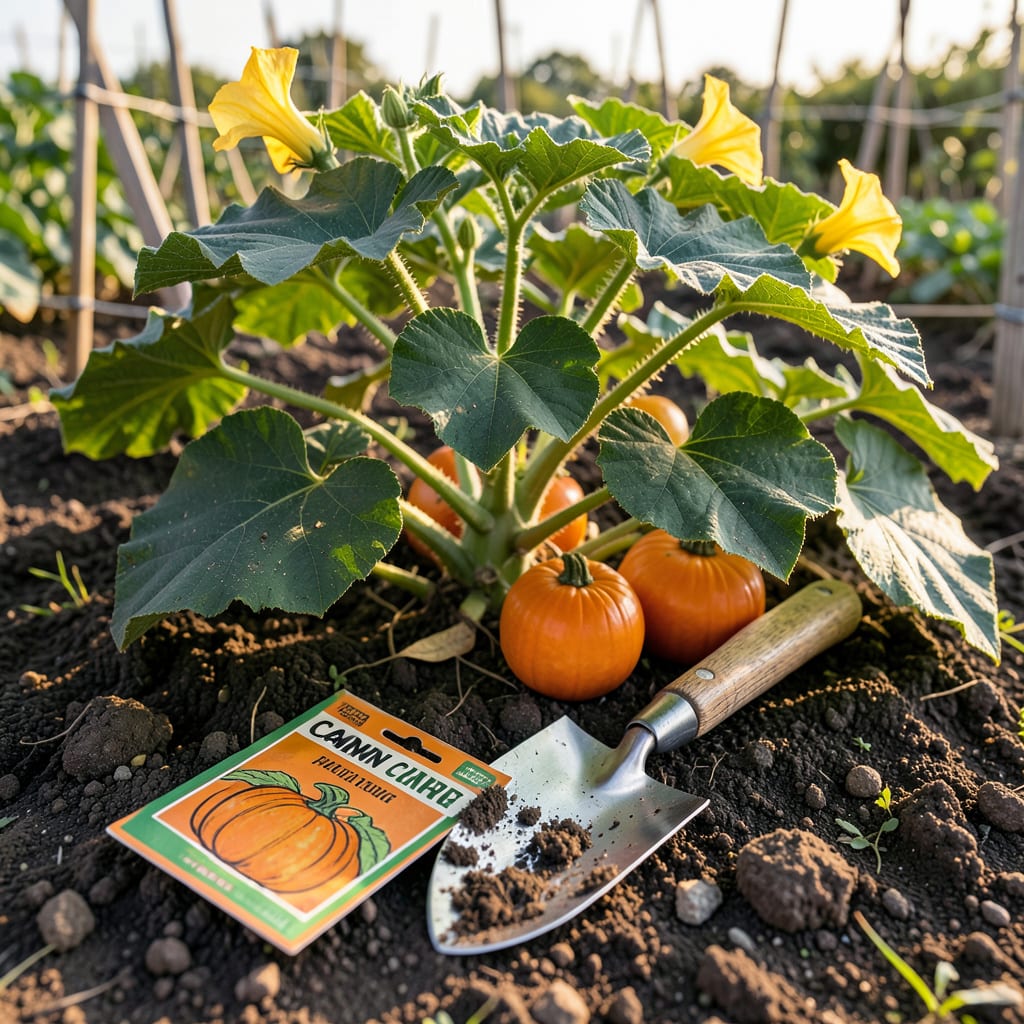
Timing your pumpkin planting in Michigan can mean the difference between a bountiful harvest and a disappointing season. Plant too early, and a late frost could wipe out your seedlings; wait too long, and your 🎃 won’t mature before the first autumn chill.
After years of testing what works in our unpredictable Zone 5a-6b climate, I’ve nailed down the perfect window. Let me show you exactly when to get those seeds in the ground—and how to protect them so you’re carving homegrown jack-o’-lanterns by October.
If you’ve ever dreamed of growing giant Michigan pumpkins, timing is your secret weapon. Plant too early, and a late frost will wipe out your seedlings. Wait too long, and your gourds won’t mature before the first fall chill. The sweet spot? Late May to early June for most of the state.
Michigan’s USDA zones 4–6 mean frost dates vary dramatically. In the Lower Peninsula, you’re usually safe after May 15. But up north in the Upper Peninsula, hold off until early June—those lakes keep things cooler longer. Always check your local frost chart for precision.
| Region | Last Frost Date | Ideal Planting Window | Soil Temp Requirement |
|---|---|---|---|
| Lower Peninsula (Zone 5-6) | May 10–20 | May 15–June 5 | 60°F+ (15°C+) |
| Upper Peninsula (Zone 4-5) | May 20–June 1 | June 1–15 | 60°F+ (15°C+) |
| Southern Michigan (Zone 6) | April 25–May 10 | May 10–30 | 60°F+ (15°C+) |
*Soil temperature is critical—use a soil thermometer to confirm warmth before planting.
Don’t just trust the calendar—soil temperature is your best guide. Pumpkin seeds rot in cold, wet ground. I always use a soil thermometer to confirm 60°F (15°C) at 4-inch depth before planting. If you’re impatient, warm the soil with black plastic mulch for 1–2 weeks beforehand.
For early starts, try indoor seedling trays 2–3 weeks before your last frost. But be cautious—pumpkins hate root disturbance. Use biodegradable pots to transplant without shock. Harden off seedlings for 7–10 days before moving them outside to avoid transplant stress.
Microclimates matter! Urban areas and south-facing slopes warm up faster, letting you plant 7–10 days earlier. Conversely, low-lying areas collect cold air—delay planting there. I’ve seen entire crops lost because gardeners ignored a frost pocket in their yard.
If you’re growing giant pumpkins (like ‘Atlantic Giant’), they need 120+ days to mature. In Zone 4, start seeds indoors by April 20 and use row covers to extend the season. For smaller varieties (‘Jack Be Little’), you can plant as late as early July and still get a harvest.
Watch the 10-day forecast before planting. If nights dip below 50°F (10°C), hold off. Young pumpkin plants are tender—even a light frost can stunt them. I keep frost blankets handy until mid-June, just in case. Better safe than sorry when you’re aiming for prize-winning pumpkins!
Pro tip: Plant in hills (small mounds) to improve drainage and soil warmth. Space hills 4–6 feet apart for vining types. In heavy clay soil, amend with compost or plant in raised beds to prevent waterlogged roots, which pumpkins despise.
Finally, mark your calendar for harvest timing. Most pumpkins need 90–120 days to mature. Count backward from your first frost date (around October 10 in much of Michigan) to pick the perfect planting window. A little math now saves heartbreak later!
Not all pumpkins are created equal—especially in Michigan’s short growing season. Choosing the right variety can mean the difference between a Halloween centerpiece and a rotten mess in the patch. I’ve tested dozens of types, and here’s what thrives in our 90–120-day window.
For giant pumpkins (think 100+ lbs), you’ll need 120+ days of warmth. Varieties like ‘Atlantic Giant’ or ‘Big Max’ demand an early start—indoors by April in Zone 4, then transplanted with row covers to trap heat. Smaller types, like ‘Jack Be Little’, mature in 90 days and can go in as late as early July.
| Variety | Days to Maturity | Best For | Michigan Planting Tip |
|---|---|---|---|
| Atlantic Giant | 120–140 days | Giant pumpkins (100+ lbs) | Start indoors April 15–20; use black plastic mulch to warm soil. |
| Howden | 100–110 days | Classic jack-o’-lanterns (20–30 lbs) | Plant May 20–June 1; ideal for Zone 5–6. |
| Jack Be Little | 85–90 days | Mini decorative (1 lb) | Safe to plant until early July; great for short seasons. |
| Cinderella (Rouge Vif) | 100–110 days | Fairytale shape (10–15 lbs) | Needs consistent moisture; plant May 25–June 5. |
*All varieties require full sun (6–8 hours/day) and well-draining soil.
If you’re in Zone 4 (Upper Peninsula), stick to fast-maturing varieties under 100 days. I’ve had success with ‘Early Giant’ (95 days) and ‘Small Sugar’ (90 days)—both perfect for pies and decor. For Zone 6 (southern Michigan), you can push the envelope with ‘Big Moon’ (110 days) if planted by May 10.
To extend your season, use black plastic mulch to warm soil 2–3 weeks earlier. Lay it down in late April, and you’ll gain precious days. Row covers (removed when flowers appear) can add another 10–14 days of protection. I’ve harvested ‘Howden’ pumpkins in Zone 5 as late as October 20 using these tricks.
Pollination is critical—bees are your best friends. If your garden lacks pollinators, hand-pollinate by transferring pollen with a small paintbrush in the early morning. Female flowers (with tiny fruits at the base) only open for one day, so timing matters! Miss this window, and you’ll get lots of vines but no pumpkins.
For container gardening, opt for ‘Wee-B-Little’ or ‘Munchkin’—both stay under 5 lbs and fit in 5-gallon buckets. Use a trellis to save space, but support fruits with nylon stockings to prevent snapping. Even in pots, pumpkins need daily water and weekly fertilizer once flowers appear.
Finally, rotate crops to avoid disease. Never plant pumpkins where squash or cucumbers grew last year. I use a 3-year rotation to prevent powdery mildew and vine borers. If space is tight, solarize the soil with clear plastic for 4–6 weeks before planting to kill pests naturally.
Even experienced gardeners can sabotage their pumpkin patch with simple oversights. After years of trial and error in Michigan’s fickle climate, I’ve pinpointed the three biggest blunders that turn potential prize-winners into compost. Let’s fix them before you plant!
The first mistake? Planting in cold soil. Pumpkin seeds rot below 60°F, and seedlings stunt if soil temps dip. I’ve lost entire trays by rushing. Always use a soil thermometer—if it reads under 55°F, wait or warm the bed with black plastic for a week.
✅ Fix all three, and you’ll double your harvest!
The second critical error is skipping pollination help. Michigan’s cool, wet summers often reduce bee activity. Without pollination, you’ll get lush vines but zero pumpkins. I hand-pollinate every morning by transferring pollen from male to female flowers with a small paintbrush. Look for females—they have tiny fruits at the base.
Third, overwatering is a silent killer. Pumpkins need 1–1.5 inches of water weekly, but wet leaves invite powdery mildew. Always water at the base in the early morning so foliage dries quickly. In heavy clay soil, use drip irrigation to avoid root rot. I lost half my crop one year by watering overhead in humid July.
Bonus mistake: crowding plants. Pumpkin vines need 50–100 sq ft per hill. Plant too close, and you’ll get small, misshapen fruits from competition. Space standard varieties 4–6 feet apart and giant types 8–10 feet apart. Use vertical trellises for small varieties to save space, but support fruits with nylon slings.
Finally, don’t forget crop rotation. Planting pumpkins where squash or cucumbers grew last year invites vine borers and mildew. I rotate my patch every 3 years and solarize the soil with clear plastic for 6 weeks in early spring to kill pests naturally. A little planning prevents a pumpkin-free Halloween! 🎃
Yes, but handle with care! Start seeds indoors 2-3 weeks before your last frost (around April 20 for most regions). Use biodegradable pots to avoid root shock when transplanting. Harden off seedlings for 7-10 days before moving outside.
Pumpkin seeds will rot below 60°F, and seedlings may stunt or die. Cold soil also slows growth, leaving plants vulnerable to pests. Always check soil temperature at 4-inch depth with a thermometer before planting.
For small varieties like ‘Jack Be Little’, you can plant as late as early July in most zones. Larger types need 100+ days—aim to plant by June 15 in the Upper Peninsula or June 30 in southern Michigan.
Containers warm up faster than ground soil, so you can plant 7-10 days earlier. Use 5-gallon minimum pots for dwarf varieties like ‘Wee-B-Little’. Ensure containers have drainage holes to prevent root rot.
