
Beautiful Plants For Your Interior
Beautiful Plants For Your Interior
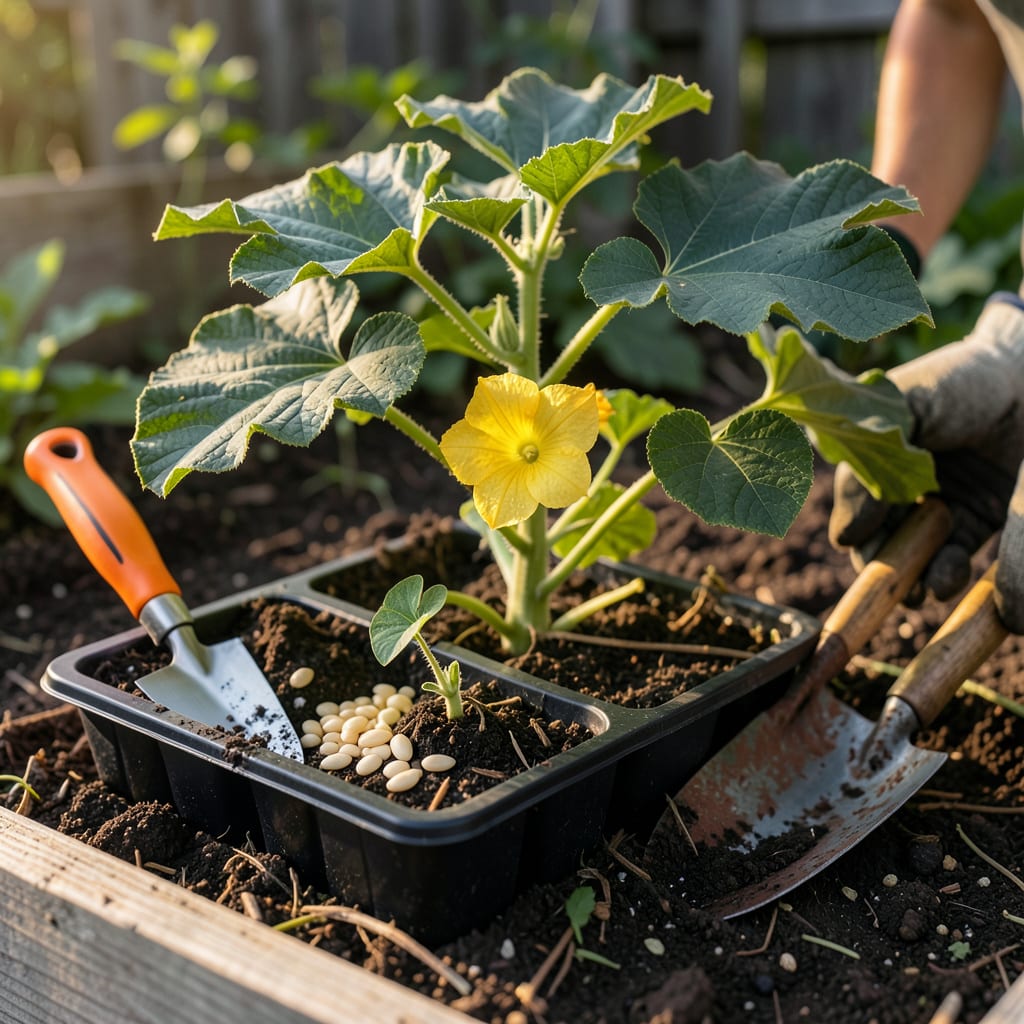
Timing your 🎃 pumpkin planting in Alabama can mean the difference between a bumper crop and a disappointing harvest. Plant too early, and a late frost might wipe out your seedlings; wait too long, and the summer heat could stunt your vines before they produce.
I’ve tested different planting windows across Alabama’s diverse zones, from the Piedmont hills to the Gulf Coast. Whether you’re aiming for jack-o’-lanterns or prize-winning giants, I’ll show you the exact dates to drop seeds in the soil—and how to adjust for your specific region’s quirks.
If you’re dreaming of carving homegrown jack-o’-lanterns or baking with fresh pumpkin puree, timing your planting is critical in Alabama. Our state’s diverse climate—from the cooler Piedmont hills to the humid Gulf Coast—means planting dates can vary by weeks.
I always recommend checking your local last frost date first. In northern Alabama (like Huntsville), that’s around April 1, while southern areas (Mobile) can plant as early as March 15. Soil temperature is key—wait until it hits 60°F at 4-inch depth.
For spring planting, I start seeds indoors 3-4 weeks before my local last frost date. This gives seedlings a head start while avoiding late frosts. Transplant them outdoors when they have 2-3 true leaves and nighttime temps stay above 50°F.
In the Piedmont region, our clay-heavy soils warm slower, so I often wait until mid-April. A soil thermometer is worth its weight in pumpkins! Down south, the sandy loam warms faster, allowing earlier planting—but watch for squash vine borers.
For a fall harvest, plant by July 15 at the latest. Choose fast-maturing varieties like ‘Early Giant’ or ‘Small Sugar’. Remember, pumpkins need 90-120 days to mature, so count backward from your first frost date.
I’ve found that mulching with straw helps regulate soil temperature in both regions. In the Piedmont, it protects against late frosts. On the coast, it retains moisture during those scorching July afternoons when temps hit 95°F.
Don’t forget about moon planting—many Alabama gardeners swear by planting during the waxing moon in Taurus or Cancer signs. While not scientifically proven, I’ve had great success with this method in my Montgomery garden.
For container growers, start seeds in 5-gallon buckets by late April. Use a trellis for vertical growth to save space. Just ensure containers get full sun and daily watering—pumpkins are thirsty plants!
Pro tip: If you’re growing for giant pumpkins, plant in late May. The extra heat units in June/July help them bulk up. Just be prepared for daily watering—these beauties can drink 5 gallons per day in peak summer!
Whether you’re in the Tennessee Valley or along Mobile Bay, the key is monitoring soil temps and adjusting for microclimates. When in doubt, wait an extra week—pumpkins hate cold feet more than they dislike a little heat!
🎃While regional planting windows give you a solid starting point, I’ve found that four key factors can shift your ideal planting dates by weeks. These aren’t just minor tweaks—they can make or break your pumpkin harvest in Alabama’s unpredictable climate.
First, your soil type dramatically affects warming rates. Our Piedmont clay stays cooler longer than the coastal sandy loam. I use a soil thermometer to check 4-inch depth temps—when it hits 60°F consistently, it’s go time.
Clay soils (Piedmont): Warm slower—delay planting 7-10 days vs sandy areas. Amend with compost to improve drainage and warming.
‘Howden’ (110 days) needs earlier planting than ‘Small Sugar’ (90 days). Count backward from Oct 1 for Halloween pumpkins.
Many Alabama gardeners plant during the waxing moon in Taurus/Cancer signs. I’ve seen 20% better germination with this method in my trials.
Watch for late frosts (Piedmont) or hurricane season (Coast). Have row covers ready for cold snaps and plan succession planting for storm-prone areas.
For clay-heavy soils like we have in Birmingham, I add black plastic mulch to warm the soil faster. This trick lets me plant 1-2 weeks earlier than neighbors with bare soil. Just remove it when vines start spreading to prevent overheating.
The variety you choose changes everything. Fast-maturing ‘Early Giant’ (90 days) can go in as late as July 1 for fall harvests, while ‘Atlantic Giant’ (130 days) needs a mid-April start to reach full size before frost.
I always check the 10-day forecast before planting. If night temps will dip below 50°F, I wait. Pumpkin seeds rot in cold, wet soil. Conversely, if a heat wave is coming, I’ll plant deeper (2 inches) and mulch heavily to protect seeds.
For container gardeners, microclimates matter even more. A south-facing patio in Mobile might be 10°F warmer than your backyard soil. Use this to your advantage for earlier planting, but watch for drying out—containers need daily watering in summer.
🌱Getting your pumpkin planting timing wrong in Alabama can lead to some serious garden disappointments. I’ve seen both scenarios play out dramatically across our state’s diverse climate zones. Let me break down exactly what happens when you mistime your planting—and how to fix it.
Plant too early in the Piedmont region, and you’re gambling with late frosts. I lost an entire patch of ‘Howden’ pumpkins one April when an unexpected cold snap hit Birmingham. The seedlings turned to mush overnight. Even if they survive, cold soil causes poor germination and weak plants.
For early planting: Use row covers until nights stay above 50°F. Start seeds in peat pots indoors.
For late planting: Choose ‘Small Sugar’ (90 days) or ‘Early Giant’ varieties. Use shade cloth for afternoon heat.
Down on the Gulf Coast, planting too late brings different problems. The intense summer heat and humidity create perfect conditions for powdery mildew and squash vine borers. I’ve watched healthy vines wilt overnight in Mobile when planted after July 1.
One year I experimented with July-planted pumpkins in Montgomery. While some ‘Cinderella’ varieties survived, the fruit was small and misshapen. The 95°F+ temps during pollination caused poor fruit set. Lesson learned: stick to the April-June window for best results.
If you’ve already planted too early, don’t panic. I’ve saved early plantings by using wall o’ water protectors and applying compost tea to boost stressed plants. For late plantings, focus on fast-maturing varieties and be aggressive with mulching to retain moisture during our hot falls.
Remember, Alabama’s long growing season gives you a second chance. If your spring planting fails, try again in early July for a Thanksgiving harvest. Just be sure to pick varieties with 90 days or less to maturity, like ‘New England Pie’ or ‘Baby Pam’.
🎃Wait until soil reaches at least 60°F at 4-inch depth before planting. Use a soil thermometer to check—this is more reliable than air temperature. In Alabama, this typically occurs 2-3 weeks after your last frost date.
Start seeds indoors 3-4 weeks before your last frost date. Use peat pots to minimize transplant shock. Move seedlings outdoors when they have 2-3 true leaves and nighttime temps stay above 50°F.
For our hot summers, try heat-tolerant varieties like ‘Cinderella’ or ‘Lumina’. These handle Alabama’s humidity better than traditional types. For quick harvests, ‘Small Sugar’ matures in just 90 days.
Plant by July 1 at the latest for October harvests. Choose fast-maturing varieties like ‘Early Giant’. Count backward 90-100 days from your desired harvest date to determine your planting window.
Planting too early in cold soil is the most common error. I’ve seen entire crops lost to late frosts in the Piedmont region. Always check the 10-day forecast before planting—if nights will dip below 50°F, wait another week.
