
Beautiful Plants For Your Interior
Beautiful Plants For Your Interior
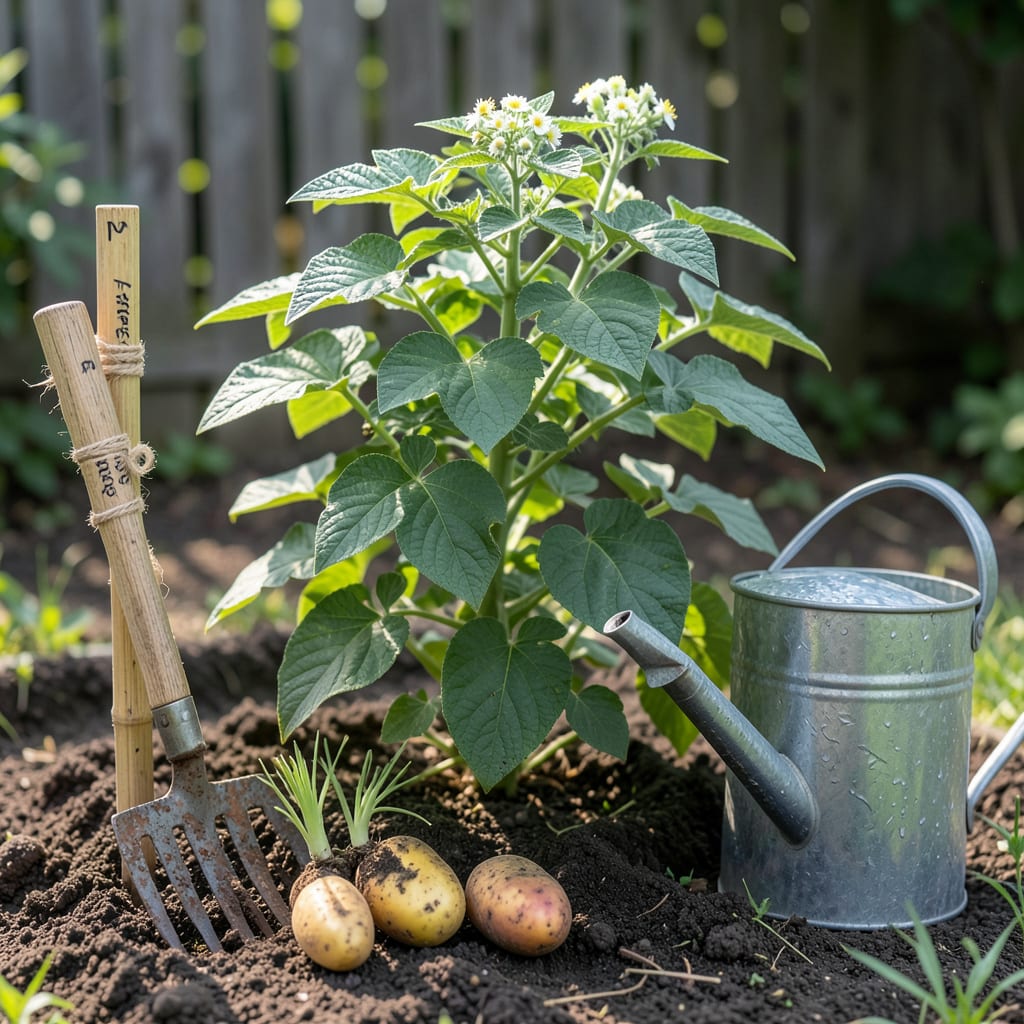
Texas gardeners know the struggle: plant your 🥔 potatoes too early, and a sneaky frost might wipe them out. Wait too long, and the summer heat will bake them before they even get started. The difference between a thriving harvest and a disappointing one often comes down to just a few weeks.
I’ve dug through the data (and the dirt) to pinpoint the perfect planting windows for every Texas region—from the Panhandle’s chilly springs to the Gulf Coast’s early heat. Whether you’re in Dallas or Del Rio, you’ll learn exactly when to get those seed potatoes in the ground for the biggest, healthiest yield.
If you’ve ever wondered why your neighbor’s potato patch thrives while yours struggles, the answer often lies in regional timing. Texas spans USDA zones 6-10, meaning what works in Amarillo won’t fly in Brownsville. The key is matching your planting date to your last frost date and heat patterns.
In North Texas (zones 7-8), you’ll want to plant 4-6 weeks before your last frost, while South Texas gardeners (zone 9-10) can start as early as January. Soil temperature is your best guide—aim for 45–55°F at planting depth. Let’s break it down by region so you never guess again.
| Region | USDA Zones | Planting Window | Last Frost Date | Recommended Varieties |
|---|---|---|---|---|
| North Texas (Dallas, Fort Worth) | 7b-8a | Mid-Feb to early March | March 15–April 1 | Yukon Gold, Kennebec |
| Central Texas (Austin, San Antonio) | 8a-8b | Late Jan to mid-Feb | Feb 15–March 1 | Red LaSoda, Pontiac Red |
| East Texas (Houston, Beaumont) | 8b-9a | Early Jan to late Feb | Feb 1–Feb 15 | LaRouge, Purple Majesty |
| West Texas (El Paso, Lubbock) | 7a-8a | Late Feb to early March | March 20–April 10 | Russet Burbank, Fingerlings |
| South Texas (Corpus Christi, Brownsville) | 9b-10a | Dec to early Jan | Jan 15–Jan 30 | Sweet Potato (heat-loving), Red LaSoda |
Notice how South Texas starts 2 months earlier than North Texas? That’s because their growing season kicks off in winter, while Panhandle gardeners must wait for spring. If you’re in Central Texas, you’ve got a sweet spot—plant in late January to beat the summer scorch.
Soil prep matters just as much as timing. Texas soils range from sandy loam (East Texas) to caliche-heavy clay (West Texas). For best results, amend with compost and ensure good drainage. Potatoes rot in soggy soil, so raised beds or mounds work wonders in clay-prone areas.
Pro tip: Use a soil thermometer to check temps at 4-inch depth. If it’s consistently below 45°F, hold off—your seed potatoes will just sit there. If it’s above 55°F, plant ASAP before heat stress sets in. In Zone 9-10, you can even sneak in a fall crop in September!
For early varieties like ‘Yukon Gold,’ aim for 70–90 days to harvest. ‘Red LaSoda’ tolerates heat better, making it ideal for South and Central Texas. If you’re in the Panhandle, stick with cold-hardy types like ‘Kennebec’ to survive late frosts.
Don’t forget hilling—piling soil around stems as plants grow. This prevents greening (toxic solanine buildup) and encourages more tubers. In Texas’ intense sun, hilling also retains moisture and cools roots. Do it every 2–3 weeks until plants flower.
If you’re planting in containers, start 2 weeks earlier than in-ground dates. Pots warm up faster, giving you a head start. Just ensure containers are at least 12 inches deep and have drainage holes. I’ve had great luck with grow bags for patio potatoes.
Still unsure? Check your county extension office for hyper-local frost dates. Or grab a low-cost soil thermometer—it’s the surest way to nail your timing. Remember, Texas weather is unpredictable, so always have row covers handy for surprise cold snaps.
Now that you’ve got the when down, let’s talk how. Up next, I’ll reveal the 3 biggest mistakes Texas gardeners make with potatoes—and how to avoid them for a blockbuster harvest. 🥔
Even with perfect timing, Texas gardeners can still sabotage their potato crop with avoidable errors. The most common? Ignoring soil temperature. I’ve seen eager growers plant in February’s false warmth, only to watch sprouts freeze in a late cold snap. Soil should be 45–55°F at 4-inch depth—not just air temps! 🌡️
Another blunder is misjudging moisture in Texas’ tricky soils. Clay-heavy areas (looking at you, West Texas) drown potatoes if not amended, while sandy East Texas soil drains too fast. The fix? Raised beds with compost—it’s non-negotiable for consistent moisture without rot.
The third mistake is overlooking variety selection. Not all potatoes handle Texas heat equally. ‘Yukon Gold’ thrives in North Texas’ cooler springs, but ‘Red LaSoda’ laughs at 100°F temps in the Rio Grande Valley. Always match your variety to your USDA zone and heat tolerance needs.
Here’s a pro tip: Pre-sprout your seed potatoes indoors for 2–3 weeks before planting. Place them in a bright, 60–70°F spot to jumpstart growth. This trick buys you extra time against Texas’ short springs and long summers. I’ve found it adds 10–14 days to the growing season!
Don’t forget mulching—it’s a game-changer in Texas. A 3-inch layer of straw keeps soil cool, retains moisture, and smothers weeds. In drought-prone areas, mulch can mean the difference between shriveled spuds and a bumper crop. Just avoid hay (weed seeds!) and stick to straw or leaves.
If you’re growing in containers, watch for overwatering. Pots dry out fast in Texas winds, but soggy soil = rot. Stick your finger 2 inches deep—if it’s dry, water; if moist, wait. And never let containers sit in saucers of water. Trust me, I’ve lost entire crops to root rot this way!
Finally, test your soil before planting. Texas soils often lack potassium (key for tuber development). A simple $10 test kit from your county extension office reveals deficiencies. Amend with kelp meal or wood ash if needed. It’s a small step that pays off in bigger, healthier potatoes. 🥔
Not all potatoes thrive in Texas’ rollercoaster climate—where late frosts can nip tender sprouts and 100°F summers bake developing tubers. The secret? Picking varieties bred for heat tolerance or short growing seasons. After years of trial and error, I’ve narrowed it down to the top performers.
For North Texas (zones 7-8), where springs are short and summers arrive fast, ‘Yukon Gold’ and ‘Kennebec’ shine. They mature in 70–80 days, beating the heat. In South Texas (zones 9-10), ‘Red LaSoda’ is king—it laughs at heat and resists disease pressure from humidity. 🌱
If you’re in Central Texas, ‘Pontiac Red’ is my go-to. It handles clay soil better than most and stores well—critical when summer temps spike early. For container gardening, ‘Baby Blues’ (purple-skinned) stay compact and produce heavily in grow bags.
Timing matters too: Early varieties (70–90 days) like ‘Yukon Gold’ are safest for North Texas, while ‘Red LaSoda’ (100 days) can handle South Texas’ extended season. Always check the “days to maturity” label—subtract 10 days for Texas’ accelerated heat. 🌡️
Storage potential varies. ‘Kennebec’ keeps for 6+ months in cool, dark conditions—perfect for stocking your pantry. ‘Red LaSoda’ is best eaten fresh; it turns sweet and mealy after 3 months. For market gardeners, ‘Yukon Gold’ fetches top dollar at farmers’ markets.
Pro tip: Buy certified seed potatoes from reputable sellers. Grocery store spuds often carry viruses and sprout poorly. I order mine from Texas A&M’s recommended suppliers to avoid disappointments. And if you’re saving seed, rotate varieties yearly to prevent disease buildup in the soil.
Potatoes need soil temps between 45–55°F at 4-inch depth. Use a soil thermometer to check—planting in colder soil delays sprouting, while warmer temps risk heat stress. In Texas, this often means late winter to early spring for most regions.
Containers let you control soil quality and drainage, which is key in Texas’ clay-heavy or sandy soils. Start 2 weeks earlier than in-ground dates, and use 12+ inch-deep pots or grow bags. Just monitor moisture closely—pots dry out fast in Texas heat.
Keep row covers or frost blankets handy for surprise cold snaps, especially in North and West Texas. If frost is forecasted, cover plants in the evening and remove covers by mid-morning. Avoid plastic—it traps moisture and can damage foliage.
‘Red LaSoda’ and ‘Pontiac Red’ thrive in heat and humidity, making them ideal for South and Central Texas. For cooler areas like the Panhandle, try ‘Yukon Gold’ or ‘Kennebec’—they mature faster to beat summer scorch.
Hill soil around stems every 2–3 weeks to encourage tuber growth and prevent greening. Mulch with 3 inches of straw to retain moisture and cool roots. In clay soil, raised beds improve drainage—critical for avoiding rot during Texas’ unpredictable rains.
