
Beautiful Plants For Your Interior
Beautiful Plants For Your Interior
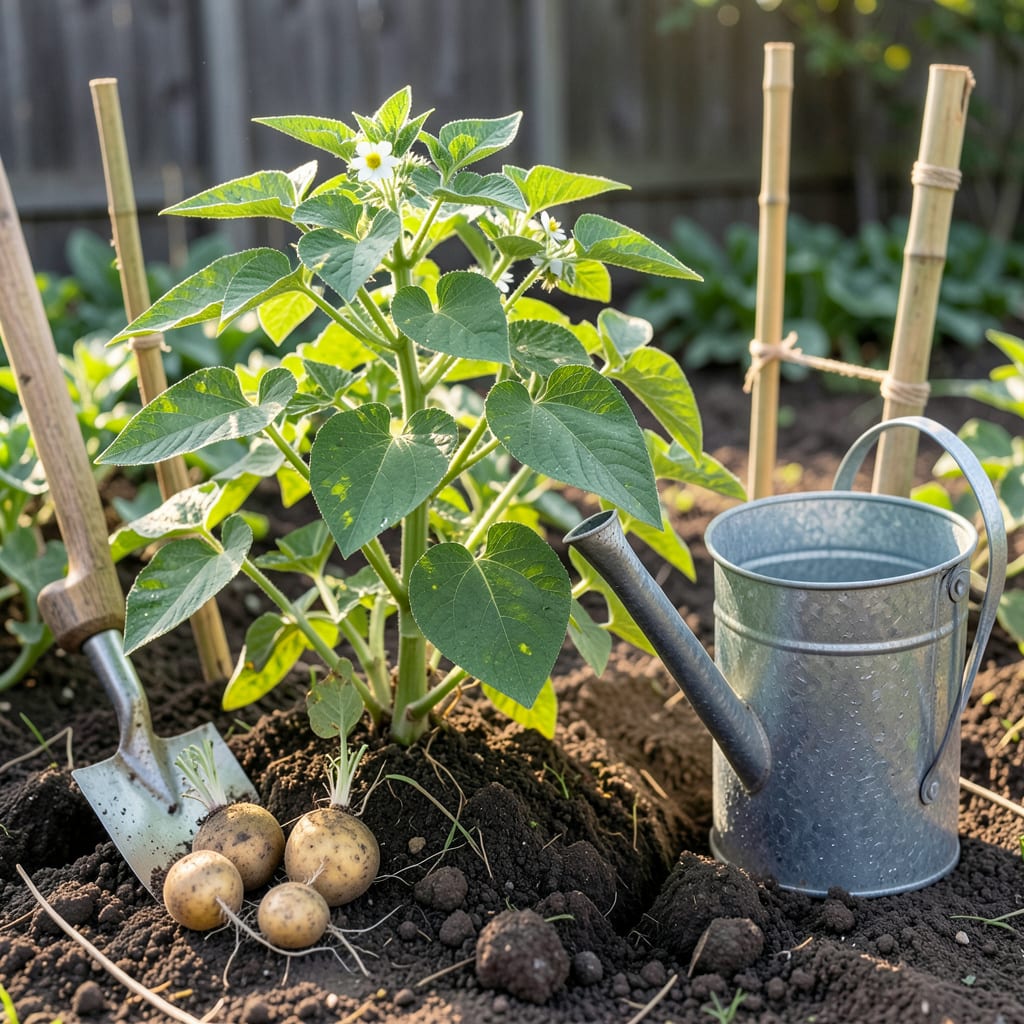
Timing your potato planting in Tennessee can mean the difference between a bumper crop and a disappointing harvest. Plant too early, and late frosts might wipe out your 🥔 Potato starts; wait too long, and the summer heat will bake your tubers before they mature.
I’ve tested planting windows across Tennessee’s zones, and the sweet spot is narrower than you think. Whether you’re in Memphis’ warmer 8a or the cooler mountains of 6b, I’ll show you exactly when to get those seed potatoes in the ground for the best results this season.
If you’re eager to grow potatoes in Tennessee, timing is your secret weapon. Our state spans USDA zones 5a to 8a, meaning planting dates vary dramatically—what works in Memphis won’t fly in the Smokies. I’ll break down the exact windows for each zone so you don’t gamble with frost or heat stress.
Here’s the golden rule: Potatoes thrive when soil temps hit 45–55°F. Plant too early in cold, wet soil, and your seed pieces may rot. Wait too long, and summer’s scorching temps will shrink your harvest. Let’s nail those dates by region.
| Zone | Region | Planting Window | Last Frost Date | Harvest Window |
|---|---|---|---|---|
| 5a-6a | East TN (Mountains) | Mid-March to Early April | April 15–30 | June–July |
| 6b | Middle TN (Nashville) | Late February to Mid-March | April 1–15 | May–June |
| 7a-8a | West TN (Memphis) | Early February to Early March | March 15–30 | April–May |
Pro Tip: Use a soil thermometer to confirm temps—don’t rely on air temperature alone! 🌡️
In East Tennessee’s cooler zones (5a-6a), hold off until mid-March to avoid late frosts. I’ve seen eager gardeners lose entire crops to a surprise April freeze—wait until soil warms to at least 45°F at 4-inch depth. Use black plastic mulch to speed warming if you’re itching to start.
Gardeners in Middle Tennessee (zone 6b) get a head start. Aim for late February to mid-March, but watch the 10-day forecast for dips below 28°F. Nashville’s last frost typically hits around April 10, so planting St. Patrick’s Day weekend is a safe bet for most varieties.
Down in West Tennessee (zones 7a-8a), you can plant as early as February 1—but don’t rush. Memphis’s humid summers mean potatoes planted after March 15 may struggle with heat stress or disease pressure. Stick to early-maturing varieties like ‘Yukon Gold’ here.
For fall potatoes (yes, it’s possible!), count backward from your first frost date. In zone 8a, plant by mid-August for a October harvest. Cooler zones should skip fall planting—frost risk is too high for reliable yields.
Microclimates matter! If you’re in a low-lying area or near a lake/river, your soil may stay cooler longer. Use a raised bed to improve drainage and warmth. Conversely, south-facing slopes warm faster—adjust planting dates 7–10 days earlier in these spots.
Remember: Seed potatoes need 2–3 weeks to sprout after planting. If you’re chitting (pre-sprouting) indoors, start 4–6 weeks before your target date. This trick gives you a 2-week jump on the season—critical for zones with shorter windows.
Lastly, keep an eye on the National Weather Service’s frost maps as spring approaches. I’ve found their probability tools more reliable than almanac dates for Tennessee’s unpredictable swings. When in doubt, wait a week—potatoes grow fast once conditions are right! 🌱
Calendar dates are just the starting point—your soil’s condition is what really determines if it’s time to plant potatoes. I’ve learned the hard way that Tennessee’s clay-heavy soils can stay cold and wet long after the calendar says “go.” Here’s how to test if your soil is truly ready for those seed potatoes.
First, forget the air temperature and grab a soil thermometer. Potatoes need consistent 45–55°F soil temps at 4-inch depth to sprout reliably. In my Middle Tennessee garden, I’ve seen air temps hit 60°F while the soil lingered at a chilly 40°F—a recipe for rot, not growth.
Pro Tip: Test multiple spots—south-facing slopes warm 1–2 weeks earlier than shaded areas! ☀️
Let’s talk about the “squeeze test” in detail, because this is where most gardeners mess up. If your soil forms a tight ball when squeezed, it’s too wet—potatoes will rot. If it falls apart instantly, it’s too dry—sprouts will struggle. You want soil that holds shape briefly then breaks apart with a gentle poke.
Here’s a trick I swear by: Lay black plastic mulch over your planting area 2–3 weeks before your target date. This warms the soil 5–10°F faster than bare ground. In my Nashville garden, this simple step let me plant 10 days earlier than neighbors—with zero frost damage.
Watch out for “false springs”—Tennessee’s notorious for 70°F weeks followed by hard freezes. I lost an entire crop one year by planting during a February heatwave, only to have temps plummet to 22°F the next week. Now I wait until soil temps stay above 45°F for 5 consecutive days before planting.
If you’re dealing with heavy clay soil (common in West TN), mix in 2–3 inches of compost before planting. This improves drainage and warms faster. Avoid fresh manure—it can burn seed potatoes and attract wireworms. I use aged leaf mold or well-rotted cow manure for best results.
Finally, don’t ignore the weed indicator. When you see chickweed or henbit actively growing, your soil is warm enough for potatoes. No weeds? Wait another week. This simple observation has saved me from stunted plants more times than I can count. Remember: Potatoes aren’t in a race—better to plant a week late in perfect conditions than rush into cold, wet soil! 🌿
Not all potato varieties thrive in Tennessee’s unpredictable swings from late frosts to summer scorchers. After testing dozens over the years, I’ve found the secret is matching maturity timelines to your zone’s growing window. Let’s cut through the noise and focus on the top performers for our state.
In East Tennessee’s cooler zones (5a-6a), you’ll want fast-maturing, cold-tolerant varieties. My go-to is ‘Red Pontiac’—it handles chilly soil better than most and produces reliably even if planted as late as early April. For something different, try ‘Yukon Gem’, a newer variety with excellent scab resistance in our acidic soils.
| Variety | Days to Harvest | Best For Zones | Planting Window | Key Traits |
|---|---|---|---|---|
| Red Pontiac | 90-110 | 5a-7a | Mid-March | Cold-hardy, stores well |
| Yukon Gold | 80-90 | 6a-8a | Late Feb | Heat-tolerant, buttery flavor |
| Kennebec | 80-100 | All TN | Zone-dependent | Disease-resistant, versatile |
Pro Tip: For fall planting in zone 8a, choose ‘Norland’ (70 days) to beat first frost! 🌡️
Middle Tennessee gardeners (zone 6b) have more flexibility. I recommend ‘Kennebec’ for its disease resistance—critical in our humid summers. Plant by mid-March for a June harvest. For something unique, try ‘Purple Majesty’, which holds its color when cooked and thrives in our loamy soils.
In West Tennessee’s warmer zones (7a-8a), heat tolerance is key. ‘Yukon Gold’ is my top pick here—it matures quickly and handles Memphis’ early heat waves better than most. For a real treat, grow ‘German Butterball’ (90 days), but plant by February 15 to avoid tuber rot in July’s humidity.
Want new potatoes for summer meals? Plant ‘Norland’ (early season, 70 days) in late February (zone 7+) or early March (zone 6). These thin-skinned gems are perfect for harvesting young. Just be ready to hill soil every 2 weeks to prevent greening from our intense sun.
For storage potatoes, focus on late-season varieties like ‘Russet Burbank’ (110-130 days). In Tennessee, these need to go in the ground by early March even in zone 8a to mature before July’s heat shuts down growth. I’ve had best luck with these in raised beds with drip irrigation to manage moisture.
Remember: Seed potato quality matters more than variety. Always buy certified disease-free seed potatoes from reputable suppliers. I learned this after a fusarium wilt outbreak wiped out my home-saved seed stock. It’s worth the extra $5 for clean starts—your harvest will thank you! 🪴
Potatoes need soil temps between 45–55°F at 4-inch depth. Use a soil thermometer to check—air temperature alone isn’t reliable. In Tennessee, this typically means waiting until late February to mid-March, depending on your zone.
Containers work well, especially for small spaces or poor soil. Use a 5-gallon bucket or fabric grow bag with drainage holes. Plant one seed potato per container and keep soil moist. Containers warm faster than ground soil, so you can plant 1–2 weeks earlier.
Cover plants with frost blankets or straw mulch if temps drop below 28°F. For extra protection, use wall-o-water tepees or milk jug cloches. Avoid plastic sheets—they trap moisture and can cause rot. In East TN, be ready to cover until mid-April.
Planting too early in cold, wet soil—this causes seed potatoes to rot before sprouting. Another common error is skipping the chitting process (pre-sprouting indoors). Give seed potatoes 2–3 weeks in bright light to develop sturdy sprouts before planting.
