
Beautiful Plants For Your Interior
Beautiful Plants For Your Interior
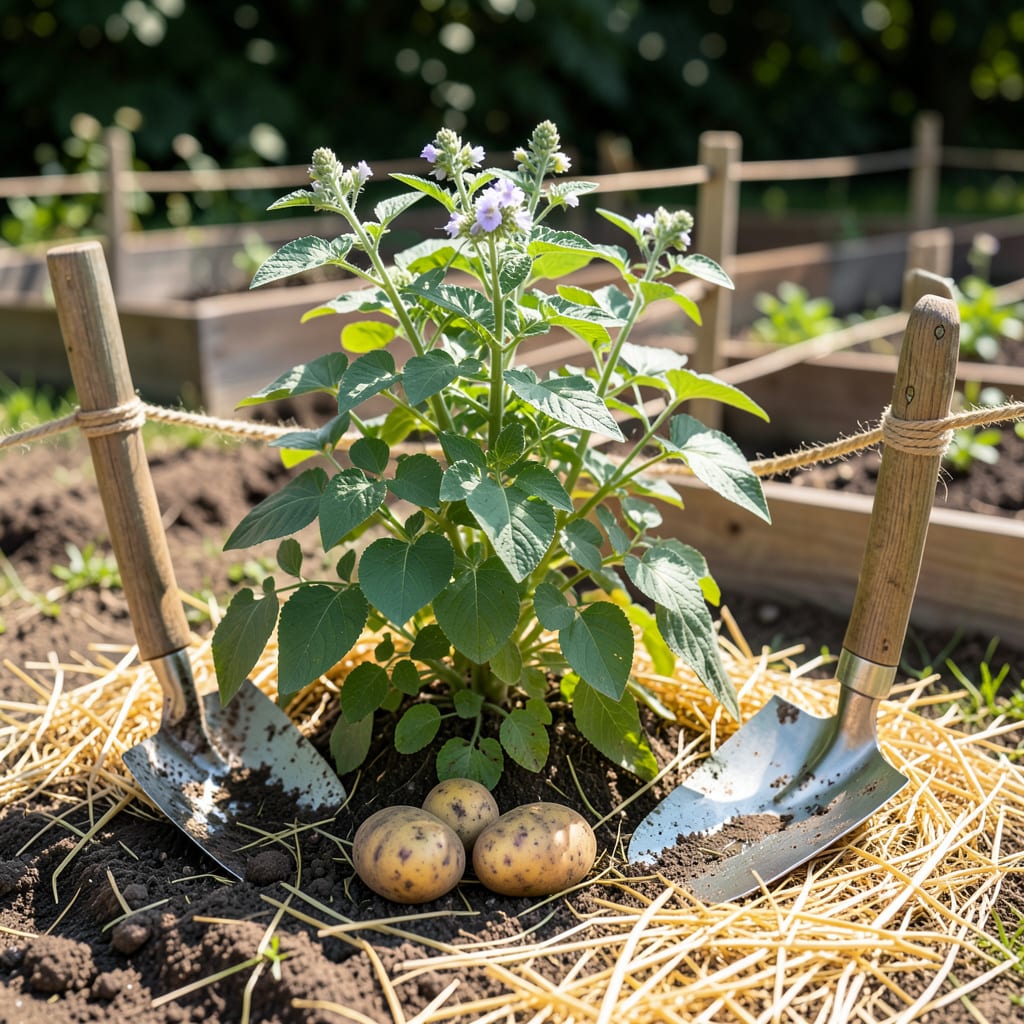
Timing your potato planting in Georgia can mean the difference between a bountiful harvest and a disappointing one. The Peach State’s unpredictable springs—with their late frosts and sudden heatwaves—make nailing the perfect window absolutely crucial.
After years of testing and tweaking, I’ve found that March through April is the sweet spot for most of Georgia’s Zone 7b. But here’s the catch: soil temperature and regional microclimates can shift that timeline by weeks. Let me break down exactly how to time it right for your biggest 🥔 harvest yet.
Georgia’s diverse climate means potato planting times vary dramatically from the mountainous north to the coastal south. In the North Georgia Mountains (Zone 6-7a), you’ll need to wait until mid-to-late March, while gardeners in the Coastal Plain (Zone 8-9a) can start as early as late February.
The key factor? Soil temperature—potatoes thrive when soil reaches 50°F or higher. I always use a soil thermometer to check at 4-inch depth before planting. Georgia’s unpredictable late frosts can still threaten young plants, so keep row covers handy just in case.
| Region | USDA Zone | Planting Window | Last Frost Date |
|---|---|---|---|
| North Georgia Mountains | 6a-7a | Mid-March to Early April | April 15 |
| Piedmont (Atlanta, Athens) | 7b-8a | Late February to Mid-March | March 25 |
| Coastal Plain (Savannah) | 8b-9a | Late February to Early March | March 10 |
Pro Tip: Plant 2-3 weeks before your last frost date for best results. Use row covers if night temps drop below 32°F.
In the Piedmont region (including Atlanta and Athens), I’ve found that St. Patrick’s Day (March 17) is a reliable rule-of-thumb planting date. The soil is usually warm enough, and the risk of hard frost has passed. For early varieties like Yukon Gold, you can push this to late February if you’re willing to gamble.
Coastal gardeners have the longest growing season but must watch for summer heat. Potatoes struggle when soil temps exceed 80°F, so I recommend planting by early March to ensure harvest before the July scorchers arrive. Mulching with straw helps keep soil cooler longer.
For fall potatoes (yes, they’re possible in Georgia!), aim for a late August to early September planting in northern zones. Southern gardeners should avoid fall planting—our humid summers make disease pressure too high for a good second crop.
Remember that elevation changes dramatically in North Georgia. For every 500 feet increase, expect temperatures to drop about 2-3°F. If you’re gardening in the Blue Ridge Mountains, you might need to wait until early April for safe planting.
I always recommend succession planting for Georgia gardeners. Plant a small batch in late February (with frost protection), then another in mid-March, and a final batch in early April. This staggers your harvest and hedges against weather surprises.
For container gardeners, you can start potatoes 2-3 weeks earlier than in-ground planting since containers warm up faster. Just be prepared to move them indoors if a late frost threatens. I’ve had great success with grow bags on my patio in Zone 7b.
No matter your region, always pre-sprout (chit) your seed potatoes for 2-3 weeks before planting. This gives them a head start and can shave 7-10 days off your time to harvest. Simply place them in a bright, cool spot until sturdy sprouts form.
Finally, keep an eye on the 10-day forecast before planting. If nighttime lows are consistently above 40°F and daytime highs reach 60°F, your potatoes will thrive. Georgia’s weather can be fickle, so I always have frost blankets ready just in case! 🌱
Planting potatoes in Georgia isn’t just about picking the right date—it’s about reading your soil conditions. After years of trial and error, I’ve learned that even perfect calendar timing won’t save you if your soil isn’t ready. Here’s how to tell when your Georgia garden is truly prepared for those seed potatoes.
The first thing I check is soil temperature—potatoes need at least 50°F at 4-inch depth to thrive. I use a simple soil thermometer (available at any garden center) and take readings for 3 consecutive mornings to ensure consistency. Georgia’s clay-heavy soil warms slower than sandy loam, so don’t rush it!
Georgia Tip: After winter rains, wait 5-7 dry days before testing—our clay holds moisture forever!
Georgia’s clay soil presents special challenges. I always amend my potato beds with 3 inches of compost and 1 inch of sand to improve drainage. The “squeeze test” is my go-to: if the soil holds its shape when squeezed but breaks apart with a light touch, it’s perfect. Too wet? You’ll get a mudball. Too dry? It’ll dust apart.
Watch for weed growth as a natural indicator. When you see chickweed or henbit sprouting vigorously, your soil is warm enough for potatoes. These “winter weeds” only grow when soil temps hit that 50°F sweet spot. I actually let them grow a bit, then till them under as green manure before planting.
The drainage test is critical in Georgia. Our heavy rains can leave soil waterlogged, which causes potatoes to rot. Dig a 1-foot hole, fill it with water, and time how long it takes to drain. Anything over 2 hours means you need to amend with compost or consider raised beds. I lost an entire crop one year by skipping this step—lesson learned!
Don’t forget the earthworm test! If you’re seeing worms near the surface when you dig, that’s a great sign. Worms indicate good aeration and organic matter—exactly what potatoes need. No worms? Your soil might be too compacted or lacking organic material. I add worm castings to my potato trenches for an extra boost.
Finally, pay attention to recent weather patterns. After Georgia’s winter rains, I wait at least 5-7 dry days before planting. Our clay holds moisture for ages, and waterlogged soil is a death sentence for seed potatoes. If we’ve had a particularly wet winter, I’ll plant in raised rows or mounds to ensure proper drainage. 🌱
Not all potatoes thrive equally in Georgia’s climate. After testing dozens of varieties, I’ve found that matching the right potato to your planting window makes all the difference. Our hot summers and variable springs demand careful variety selection for maximum yields.
For early spring planting (February-March), I recommend Yukon Gold and Red Pontiac. These varieties mature in just 70-80 days, beating the summer heat. They also handle Georgia’s cool, wet springs better than most. I’ve had great success with Yukon Gold’s buttery flavor in my Piedmont garden.
| Variety | Days to Maturity | Best Planting Window | Heat Tolerance |
|---|---|---|---|
| Yukon Gold | 70-80 days | Feb 15 – Mar 15 | Moderate |
| Kennebec | 80-100 days | Mar 1 – Mar 30 | High |
| Red Pontiac | 75-90 days | Feb 20 – Mar 20 | Moderate |
| Russet | 90-110 days | Mar 10 – Apr 1 | Low |
Georgia Tip: For fall planting in North Georgia, try Kennebec—it handles cooler nights better than most.
If you’re planting in late spring (April), Kennebec is my top pick. This variety handles warmer soil better than most and resists common Georgia potato diseases. I’ve harvested beautiful Kennebecs in early July when other varieties had already succumbed to heat stress.
For container gardeners, I recommend fingerling varieties like French Fingerling. They adapt well to confined spaces and mature in just 80-90 days. I grow mine in 10-gallon grow bags with great success. Just remember that containers dry out faster in Georgia’s heat, so monitor moisture closely.
Coastal gardeners should consider heat-tolerant varieties like LaSoda or Atlantic. These can handle the higher humidity and temperatures of Zone 8-9a. I’ve seen Atlantic potatoes thrive in Savannah gardens when other varieties struggled with fungal diseases.
No matter which variety you choose, remember that seed quality matters. Always buy certified seed potatoes from reputable sources to avoid disease. I learned this the hard way after a disastrous crop from grocery store potatoes! 🌱
Potatoes thrive when soil reaches 50°F at 4-inch depth. Use a soil thermometer to check for 3 consecutive mornings before planting. Georgia’s clay warms slowly, so patience pays off!
Yes! Containers warm up 2-3 weeks faster than garden soil. Start potatoes in 10-gallon grow bags by late February, but move them indoors if frost threatens. Perfect for patios!
Use frost blankets or row covers when temps dip below 32°F. Remove covers during the day to prevent overheating. I keep mine handy through mid-April!
In most of Georgia, plant by early April to beat the heat. Coastal gardeners should finish by March 15—soil temps above 80°F stunt tuber growth.
Chitting (pre-sprouting) for 2-3 weeks gives plants a head start. Place potatoes in bright, cool light until sprouts form. This can cut 7-10 days off harvest time!
