
Beautiful Plants For Your Interior
Beautiful Plants For Your Interior
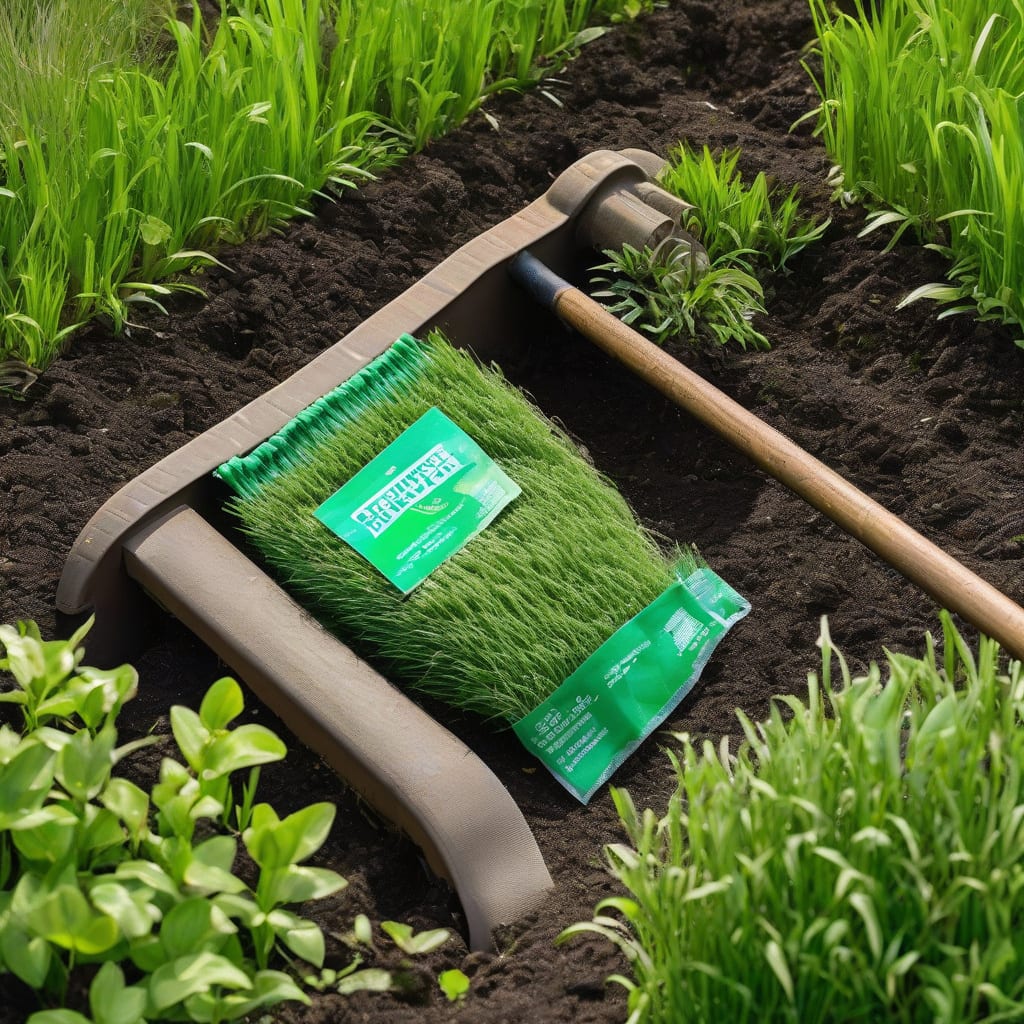
Planting Grass 🌿 in Virginia requires precise timing to achieve a lush, healthy lawn. The state’s varying climate conditions demand careful consideration of factors like soil temperature and rainfall patterns.
In Virginia, the best times to plant grass seed are during late summer to early fall or early spring when conditions are optimal. Understanding these windows is crucial for successful germination and growth.
Ideal Time
Also Good
In Virginia, the ideal times to plant grass seed are during the fall or early spring. These periods offer the best conditions for germination and growth due to the state’s climate 🌿.
The fall season, from late August to early October, is particularly favorable because the soil is still warm from summer, and there’s typically ample rainfall. This combination helps grass seeds germinate and establish themselves before winter. In contrast, early spring planting, usually around March or April, allows the grass to grow before the hot summer weather sets in.
When deciding between fall and spring planting, consider the type of grass you’re planting. Cool-season grasses, like bluegrass and fescue, do well in the fall, while warm-season grasses thrive in the spring. In Virginia’s USDA zones учinn7-8, the climate varies, eksploplanting grass seed requires careful timing. Generally, cool-season grasses like bluegrass and fescue do well in the fall, while warm-season grasses like Bermuda grass and Zoysia grass prefer late spring to early summer 🌱.
The soil temperature is another critical factor. For most grass types, the ideal soil temperature for planting is between 50°F and 65°F. In Virginia, soil temperatures typically reach this range during the spring and fall. You can use a soil thermometer to check the temperature or consult local gardening resources for guidance.
Additionally, consider the rainfall patterns in your area. Virginia experiences more rainfall during the spring and summer months, which can be beneficial for newly planted grass seed. However, fall planting often benefits from the residual moisture in the soil from summer, reducing the need for frequent watering.
By understanding these factors and choosing the right time to plant, you can achieve a healthy and lush lawn in Virginia. Whether you opt for fall or spring planting, ensure you prepare your lawn properly and provide adequate care for your new grass seed 🌱.
For more specific advice tailored to your location within Virginia, consult with local gardening experts or extension services. They can provide guidance on the best grass types for your area and tips for successful lawn establishment.
Before planting grass seed in Virginia, it’s essential to prepare your lawn properly. This involves several critical steps that ensure optimal conditions for germination and growth 🌱.
First, soil testing is crucial. It helps determine your soil’s pH level and nutrient content. Based on the test results, you can adjust the soil pH if necessary and apply the appropriate fertilizers. Most grass types prefer a slightly acidic to neutral soil pH, between 6.0 and 7.0.
Conduct a soil test to determine pH and nutrient levels.
Aerating helps improve soil drainage and air circulation, promoting healthy root growth.
Clear the area of any debris, weeds, or dead grass to ensure good seed-to-soil contact.
Select a grass seed type suitable for Virginia’s climate and your specific lawn conditions.
By following these steps, you can create an optimal environment for your grass seed to germinate and thrive. Proper preparation is key to achieving a healthy and lush lawn in Virginia 🌿.
For more detailed guidance on preparing your lawn for grass seed planting, consider consulting local gardening experts or extension services. They can provide tailored advice based on your specific location and lawn conditions.
When planting grass seed in Virginia, understanding the best practices for post-planting care is crucial for achieving a healthy and lush lawn. Proper care ensures that your newly seeded lawn thrives and becomes resilient to the state’s varying climate conditions 🌿.
Keep the soil consistently moist during the first few weeks after planting. As the grass grows, gradually reduce watering to encourage deep root development 🌱.
One of the most critical aspects of post-planting care is maintaining an appropriate watering schedule. During the initial stages, keep the soil consistently moist to support germination and early growth. As the grass establishes, you can gradually reduce the frequency of watering to encourage deep root development.
Fertilization is another important factor. Apply a starter fertilizer at the time of planting to provide essential nutrients for young seedlings. Follow up with additional fertilization as needed, based on soil test results and the specific needs of your grass type.
Maintaining the correct mowing height is also vital. For most cool-season grasses, keep the mowing height between 2.5 and 3 inches, while warm-season grasses typically require a height of 1 to 2 inches. Regular mowing helps promote dense growth and prevents weeds from taking over.
Weed control is another crucial aspect of post-planting care. Monitor your lawn regularly for weeds and apply pre-emergent herbicides as needed to prevent crabgrass and other annual weeds. For existing weeds, consider using post-emergent herbicides carefully to avoid damaging your new grass.
By following these post-planting care tips, you can ensure that your newly seeded lawn in Virginia establishes strong roots and remains healthy throughout the growing season. Proper care and attention to detail will result in a lush and vibrant lawn that enhances your outdoor space 🌿.
For more specific guidance tailored to your location within Virginia, consult with local gardening experts or extension services. They can provide valuable insights and recommendations based on your specific lawn conditions and needs.
The best times to plant grass seed in Virginia are during the fall (late August to early October) or early spring (March to April). These periods offer optimal conditions for germination and growth.
For Virginia’s climate, cool-season grasses like bluegrass and fescue do well when planted in the fall, while warm-season grasses like Bermuda grass and Zoysia grass thrive when planted in late spring to early summer. Choose based on your specific lawn conditions and preferences.
Prepare your lawn by conducting a soil test, aerating the soil, removing debris, and selecting the right grass seed type for Virginia’s climate. These steps ensure optimal conditions for germination and growth.
The ideal soil temperature for planting most grass types is between 50°F and 65°F. Use a soil thermometer to check the temperature or consult local gardening resources for guidance.
