
Beautiful Plants For Your Interior
Beautiful Plants For Your Interior
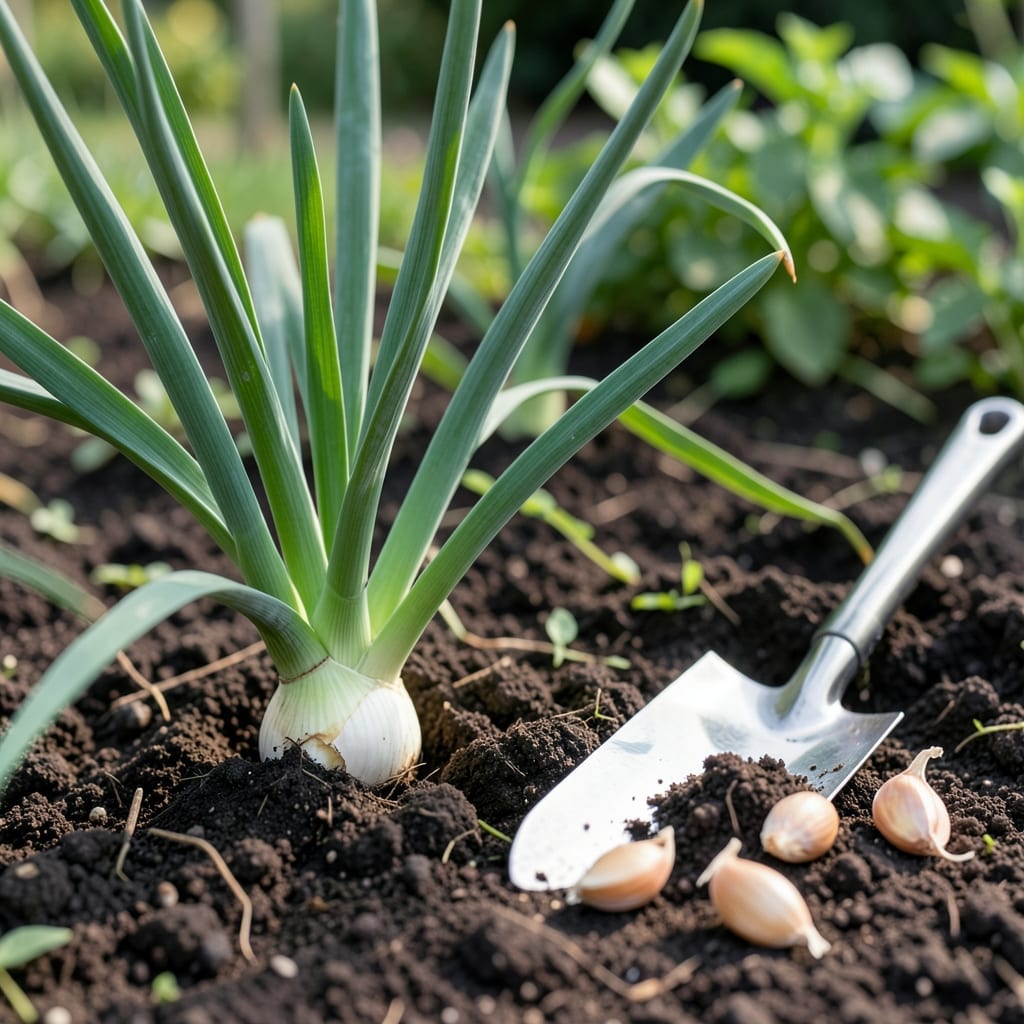
Planting Garlic in Illinois at the right time makes all the difference between a mediocre harvest and a bumper crop. Get it wrong, and you might end up with small bulbs or winter damage.
In our 5b-6a climate, timing is everything. The cool fall soil helps 🧄 develop strong roots before winter sets in, setting the stage for robust growth come spring.
I’ve tested different planting windows, and the sweet spot is just before the ground freezes. This gives your cloves enough time to establish without risking early sprouting.
Discover the exact fall timing that works best for Illinois gardeners and how to prepare your soil for maximum success. Let’s get started.
Illinois spans USDA zones 4-6, so garlic planting windows shift slightly across the state. In northern Illinois (Zone 4-5), I aim for mid-October to early November planting. This gives cloves 4-6 weeks to root before the ground freezes solid.
For central Illinois (Zone 5-6), you have more flexibility. I’ve found late October through mid-November works perfectly. The soil stays warm longer here, so roots establish well even with a later start.
| Zone | Planting Window | Soil Temp | Frost Considerations |
|---|---|---|---|
| 4-5 | Mid-Oct to Early Nov | 50-60°F | Freeze by late Nov |
| 5-6 | Late Oct to Mid-Nov | 55-65°F | Freeze by early Dec |
In southern Illinois (Zone 6), I push planting to early November because winters are milder. The key is ensuring cloves develop strong roots before dormancy, but not sprout tops that winterkill exposes.
Soil temperature is critical—50-65°F at planting depth (2 inches) is ideal. I use a soil thermometer to check. If it’s warmer, cloves may sprout prematurely. Too cold, and roots won’t form in time.
Illinois’ first frost typically hits October 15 in the north and November 1 in the south. I plant 4-6 weeks before your area’s average first hard freeze (28°F or below). This timing balances root growth with winter protection.
For hardneck varieties like German White or Rocambole, I stick to the earlier end of the window. Softneck types (e.g., Silverskin) can handle slightly later planting but still need that root establishment period.
I’ve noticed that well-drained loamy soil warms up faster in fall, so if your garden has clay soil, consider raised beds or amending with compost to hit that ideal temperature range sooner.
Remember, mulching is non-negotiable in Illinois. After planting, I apply a 4-6 inch layer of straw or shredded leaves to insulate the soil. This protects cloves from temperature swings and prevents heaving during freeze-thaw cycles.
If you miss the ideal window, don’t panic. I’ve successfully planted garlic as late as early December in Zone 6 with extra mulch. But earlier is always better for larger bulbs and higher yields come harvest time. ☀️
Finally, mark your planting rows with stakes or flags. After snowfall, it’s easy to forget where your garlic is hiding—especially if you’re planting in multiple zones across your property. 🌱
Planting garlic in Illinois requires careful soil preparation. I always start by choosing a well-draining spot with full sun exposure for at least 6 hours daily. This ensures your cloves get the light they need.
Loosen the soil to 12 inches deep and mix in 2-3 inches of compost. This improves fertility and helps roots establish before winter. Avoid heavy clay soils, as they retain too much moisture.
Plant garlic cloves 2 inches deep and 6 inches apart to prevent crowding. Mulch with 4-6 inches of straw to insulate against winter cold.
After planting, water thoroughly to settle the soil. I recommend using a soaker hose to avoid disturbing the cloves. Keep the soil evenly moist but not waterlogged during the first few weeks.
Once the ground freezes, your garlic will enter dormancy. Come spring, remove some mulch to allow new shoots to emerge. This helps prevent rot while still protecting the plants.
Fertilize lightly in early spring with a balanced 10-10-10 formula. This gives your plants a nutrient boost as they start active growth. Avoid over-fertilizing, as it can lead to excessive leaf growth at the expense of bulbs.
By following these steps, you’ll give your Illinois garlic the best start for a healthy harvest next summer. Consistency in care makes all the difference. ✂️