
Beautiful Plants For Your Interior
Beautiful Plants For Your Interior
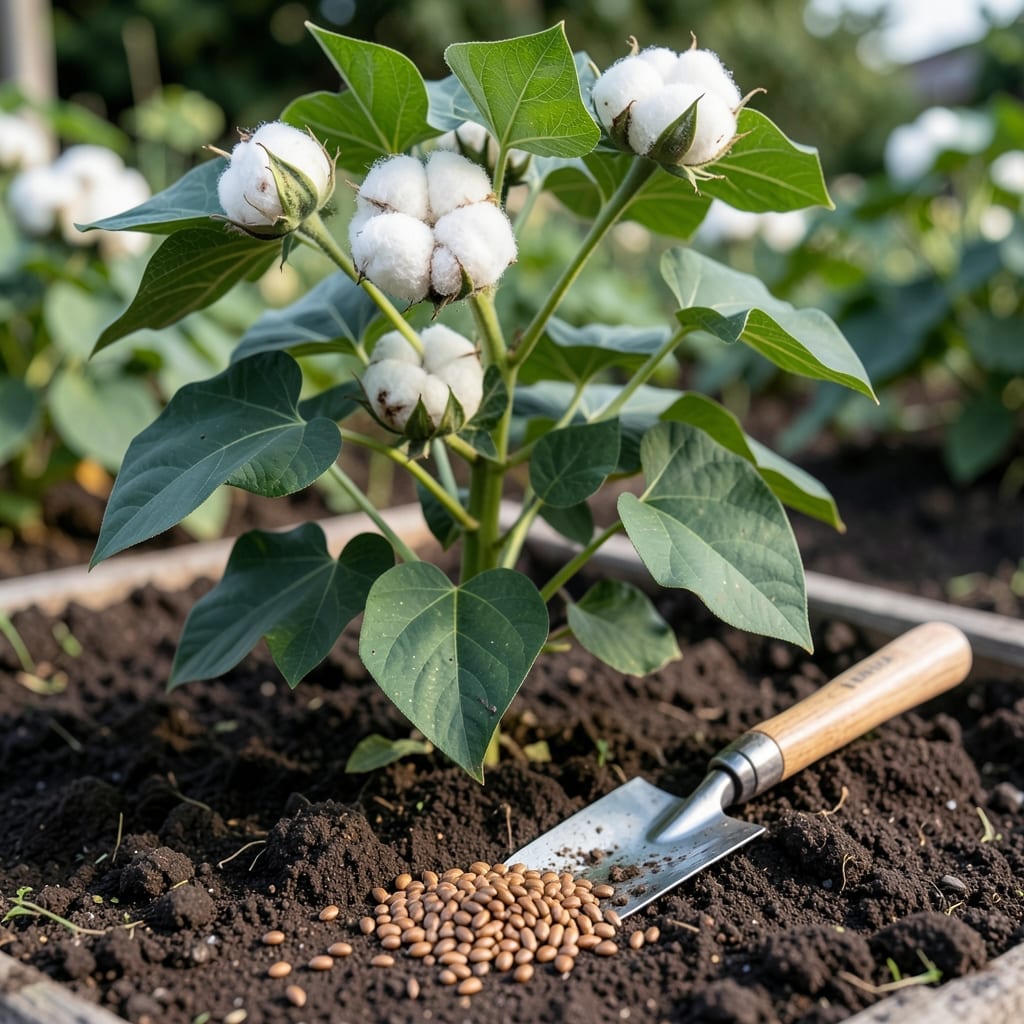
Planting 🌾 Cotton at the right time makes all the difference between a thriving crop and a disappointing season. This warm-weather favorite demands precision, as cool soil can stall growth before it even begins.
I learned the hard way that rushing the season often leads to regret. The best approach combines patience with preparation, waiting for that sweet spot when conditions are just right.
Let me share the key indicators I now rely on to determine the perfect planting window. You’ll discover how to read your soil and climate like a pro.
Timing is everything when planting 🌾 cotton. This heat-loving crop needs warm soil and air to thrive, so getting the window right is non-negotiable for success.
I’ve found that soil temperature is the ultimate green light. You’ll want that thermometer to read at least 60°F at a 4-inch depth before planting.
| USDA Zone | Planting Window | Last Frost Date |
|---|---|---|
| 7-8 | Mid-April to May | April 15 |
| 9-10 | March to Early April | March 1-15 |
| 11-12 | February to March | February 15 |
In warmer zones like 9-12, you can start earlier, often in late winter or early spring. But in cooler areas, waiting until mid-spring ensures your seeds won’t rot in cold ground.
For Zone 7-8, aim for mid-April through May. This gives your plants enough time to mature before the first fall frost, which typically hits around October 15.
If you’re in Zone 9-10, you’re in luck—your planting window starts as early as March. Just watch for unexpected late frosts, which can still sneak in and damage young plants.
Gardeners in Zone 11-12 can plant as early as February. The mild winters here mean you’ll have a longer growing season, but ensure your soil isn’t waterlogged from winter rains.
No matter your zone, always check the 10-day forecast before planting. A surprise cold snap can set you back weeks, so I always keep a row cover handy just in case.
Another pro tip: test your soil with a simple thermometer. If it’s consistently at or above 60°F for a few days, you’re good to go. Anything cooler, and your seeds might just sit there.
And remember, cotton hates wet feet. Plant in well-draining soil to prevent root rot, especially in areas with heavy spring rains. A raised bed can be a game-changer if drainage is an issue in your garden.
With the right timing and conditions, you’ll be rewarded with strong, healthy plants that produce fluffy bolls by late summer.
While USDA zones give a solid starting point, other key factors can shift your planting window. I’ve seen rainfall patterns make or break a cotton crop in a single season.
Soil moisture is critical—too wet and seeds rot, too dry and they won’t germinate. Aim for consistent moisture without waterlogging, especially in the first few weeks after planting.
⚠️ Avoid Early Planting in Cool Springs
Planting cotton before soil reaches 60°F risks poor germination and weak seedlings. Even in warm zones, a late cold snap can stunt growth for weeks.
Another big factor is cotton variety. Upland cotton is more forgiving and widely grown, while Pima cotton needs a longer, hotter season to mature properly.
I always check local weather trends too. If spring is unseasonably cool or wet, I’ll delay planting rather than rush it. Patience here prevents seed rot and weak stands.
Wind can also play a role. Cotton seedlings are delicate, and strong winds can damage young plants. If you’re in a windy area, consider windbreaks or staggered planting.
Finally, soil type matters. Sandy soils warm up faster but dry out quickly, while clay soils hold moisture but stay cooler longer. I adjust my timing based on what my soil thermometer tells me.
By balancing all these factors, you’ll hit that perfect planting window for a strong, healthy cotton crop. ☀️