
Beautiful Plants For Your Interior
Beautiful Plants For Your Interior
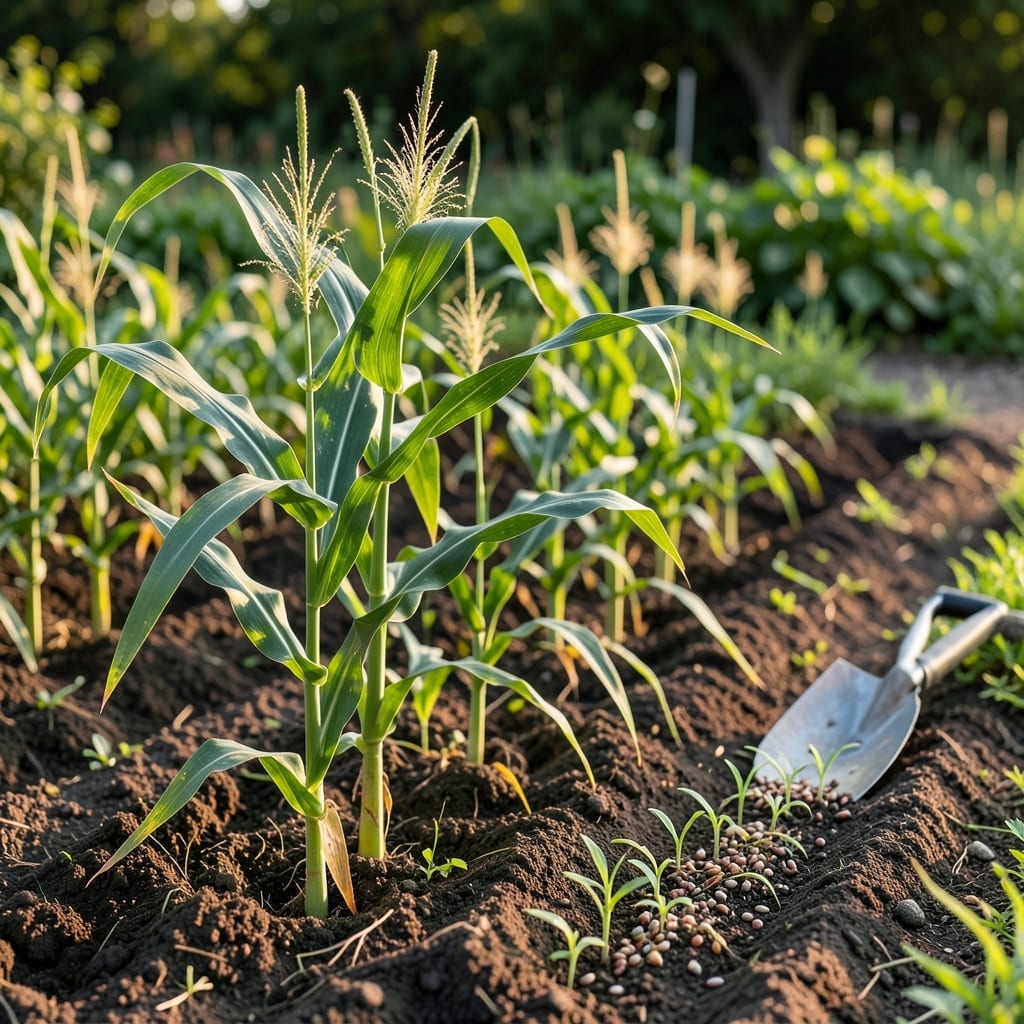
Timing is everything when planting Corn 🌽 in Tennessee, where Zone 6b-7a climate can make or break your harvest. Plant too early, and frost may stunt your crop; plant too late, and summer heat could stress your plants.
Getting this right means the difference between a bountiful harvest and a disappointing season. I’ve seen firsthand how the right timing transforms a garden.
Whether you’re a seasoned gardener or just starting out, understanding Tennessee’s unique growing conditions is the key to success. Let me walk you through what you need to know.
We’ll explore the optimal windows, soil preparation tips, and how to read your local weather patterns. Discover how to set your Corn up for the best possible start.
In Zone 7 Tennessee, corn thrives when planted after the last frost, typically around April 15. This timing ensures soil has warmed to at least 55°F, a critical threshold for germination.
I always check local weather patterns, as east Tennessee can be cooler than the western regions. The ideal window spans from mid-April to early May for most areas.
| Stage | Action |
|---|---|
| Last Frost | April 15 |
| Soil Temp | 55°F minimum |
| Planting Window | Mid-April to early May |
| Regional Note | East TN: plant 1-2 weeks later |
For early planting, I recommend using a soil thermometer to confirm temperatures. If the soil is still cold, seeds may rot or germinate poorly.
In west Tennessee, the season starts earlier due to milder winters. Here, you can often begin planting as early as late March if the soil is ready.
Late plantings in June are possible but require fast-maturing varieties. These need extra attention to watering and fertilization to beat the summer heat.
I’ve found that sweet corn varieties like Golden Bantam or Peaches and Cream perform well in Tennessee’s climate when planted in this window.
Remember, corn is wind-pollinated, so plant in blocks of at least 3 rows rather than single rows. This boosts pollination success.
If you’re in a higher elevation area, wait until early May. Cooler nights can slow growth, so patience pays off with a better harvest.
For the best results, I mulch heavily after planting to retain moisture and suppress weeds. This is especially important during Tennessee’s often dry late spring.
Finally, always rotate your corn crop yearly to prevent soil depletion and reduce pest issues in your garden.
🌱I always check my soil temperature before planting corn in Tennessee. The magic number is 60°F at a 2-inch depth, and a simple soil thermometer gives me the exact reading I need.
Another key test is moisture level. I squeeze a handful of soil—if it holds shape but crumbles easily, it’s perfect. If it’s soggy or dust-dry, I wait for better conditions.
⚠️ Avoid Planting in Cold, Wet Soil
Planting corn in cold soil risks poor germination and stunted growth. Always wait for consistent warmth and proper drainage.
I also examine soil texture. Corn thrives in loamy soil that’s well-draining. If my soil feels too clay-heavy or sandy, I amend it with compost for better structure.
A common mistake is planting too early after a warm spell. Tennessee weather can be unpredictable, so I always confirm the last frost date has passed for my area.
For the best results, I test multiple spots in my garden. Soil can vary, and I want to ensure my corn seeds have the best start possible.
Finally, I check for weed competition. Clear the planting area of weeds to give my corn the best chance to establish strong roots without competition.
🌱