
Beautiful Plants For Your Interior
Beautiful Plants For Your Interior
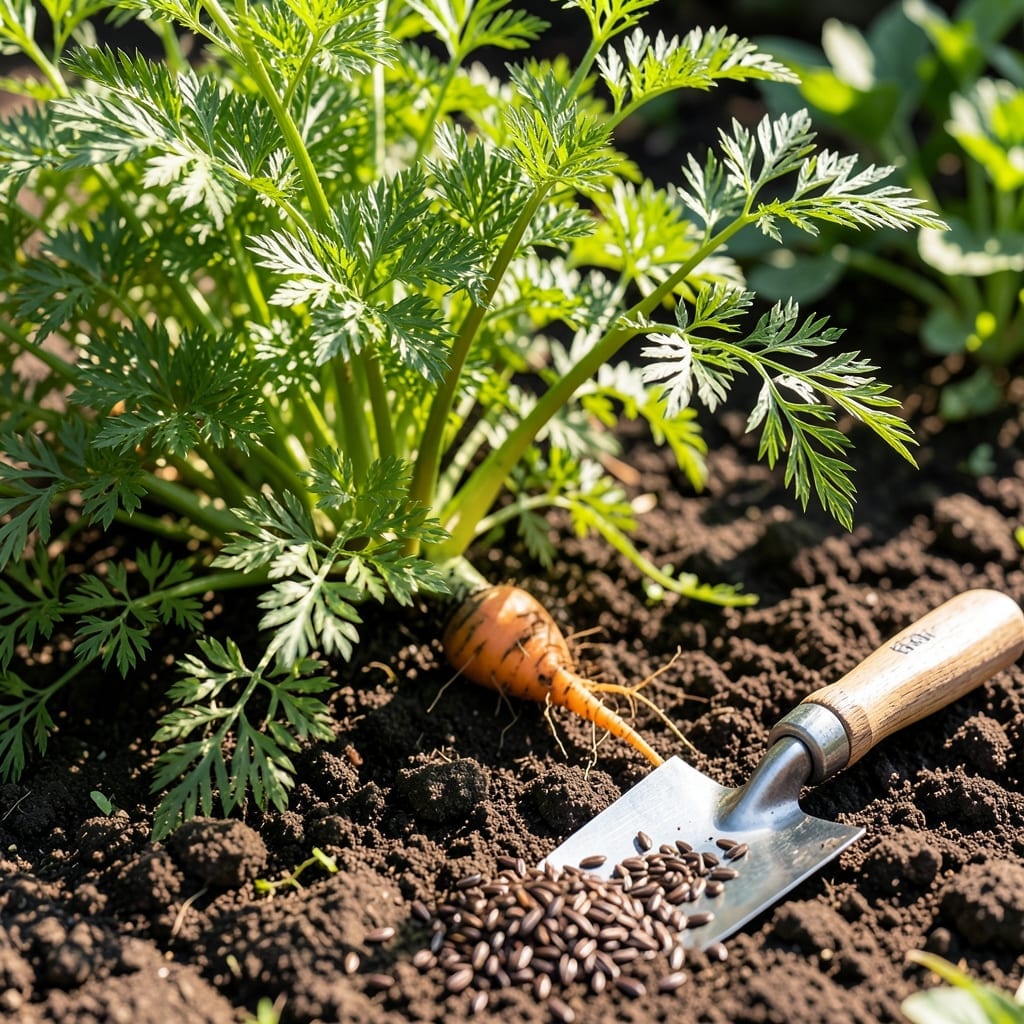
Timing is everything when growing Carrots in Texas—plant too early or too late, and you’ll end up with bitter, stunted roots instead of sweet, crunchy harvests. This guide breaks down the exact windows for each Texas planting zone.
I’ve learned the hard way that 8a-10b climates demand precision. Whether you’re in Houston or Dallas, missing the ideal planting window can mean the difference between success and disappointment.
You’ll discover the best months to sow seeds for both spring and fall harvests, along with pro tips to maximize your yield. No more guessing games—just clear, actionable advice.
Let’s dig into the specifics so you can plant with confidence and enjoy a bountiful 🥕 crop this season.
Growing carrots in Texas requires precise timing to avoid the summer heat that can cause bitter roots or poor germination. The Lone Star State spans multiple USDA zones, each with unique planting windows. I’ll break down the best times for spring and fall crops so you can plan with confidence.
Texas gardeners in zones 6-7 can start sowing seeds as early as February, while those in zones 8-10 should wait until late August for a fall harvest. Soil temperature is key—carrots germinate best at 60-68°F.
| Zone | Spring Planting | Fall Planting | Notes |
|---|---|---|---|
| 6-7 | Feb 15 – Mar 15 | Aug 1 – Sep 1 | Avoid summer heat |
| 8a-8b | Feb 1 – Mar 1 | Aug 15 – Sep 15 | Watch for late frosts |
| 9a-10b | Jan 15 – Feb 15 | Sep 1 – Oct 15 | Use shade cloth for spring |
In North Texas (Zone 8a), I recommend starting your spring crop in early February to avoid the summer scorcher. For fall planting, aim for mid-August to give roots time to mature before the first frost.
If you’re in Central Texas (Zone 8b-9a), you can push your spring planting to late January, but be ready to protect seedlings from unexpected cold snaps. Your fall window extends to early October.
For South Texas (Zone 9b-10b), you have the longest growing season. Start seeds in mid-January for a spring harvest, or plant in September for a winter crop. Just keep an eye on soil moisture—dry spells can stunt growth.
No matter your zone, always sow seeds directly into loose, well-draining soil to prevent forked roots. Carrots hate compacted soil, so till your bed to a depth of 12 inches before planting. 🌱
I’ve found that succession planting works well in Texas. Sow a new row every 2-3 weeks during your planting window to extend your harvest. This way, you’ll have fresh carrots for weeks instead of all at once.
Remember, carrot seeds are tiny and need consistent moisture to germinate. Keep the soil damp but not soggy, and thin seedlings to 2 inches apart once they sprout. This gives each root room to grow straight and thick. ☀️
Getting carrot planting right in Texas means understanding the environmental triggers that impact germination and growth. I’ve found that soil temperature is the most critical factor—carrots won’t sprout if the soil is too cold or too hot.
The ideal soil temperature for carrot seeds is 60-68°F. Below 50°F, seeds may rot in the ground. Above 80°F, germination slows dramatically, and roots can become bitter or stunted.
Daylight hours also play a role. Carrots are cool-season crops that thrive with 10-12 hours of daylight. In Texas, this aligns with spring and fall when days are shorter and temperatures are milder.
I always check the moisture levels in my garden beds. Carrot seeds need consistent dampness to germinate, but soggy soil can cause rot. A light mulch layer helps retain moisture while preventing crusting, which can block tiny seedlings.
In dry Texas climates, I recommend using drip irrigation to maintain even moisture. This prevents the soil surface from drying out between waterings, which is especially important during the first 2-3 weeks after planting.
Finally, remember that soil preparation is just as important as timing. Work in plenty of organic matter to improve drainage and prevent forked roots. This gives your carrots the best chance to grow straight and sweet. 🌱