
Beautiful Plants For Your Interior
Beautiful Plants For Your Interior
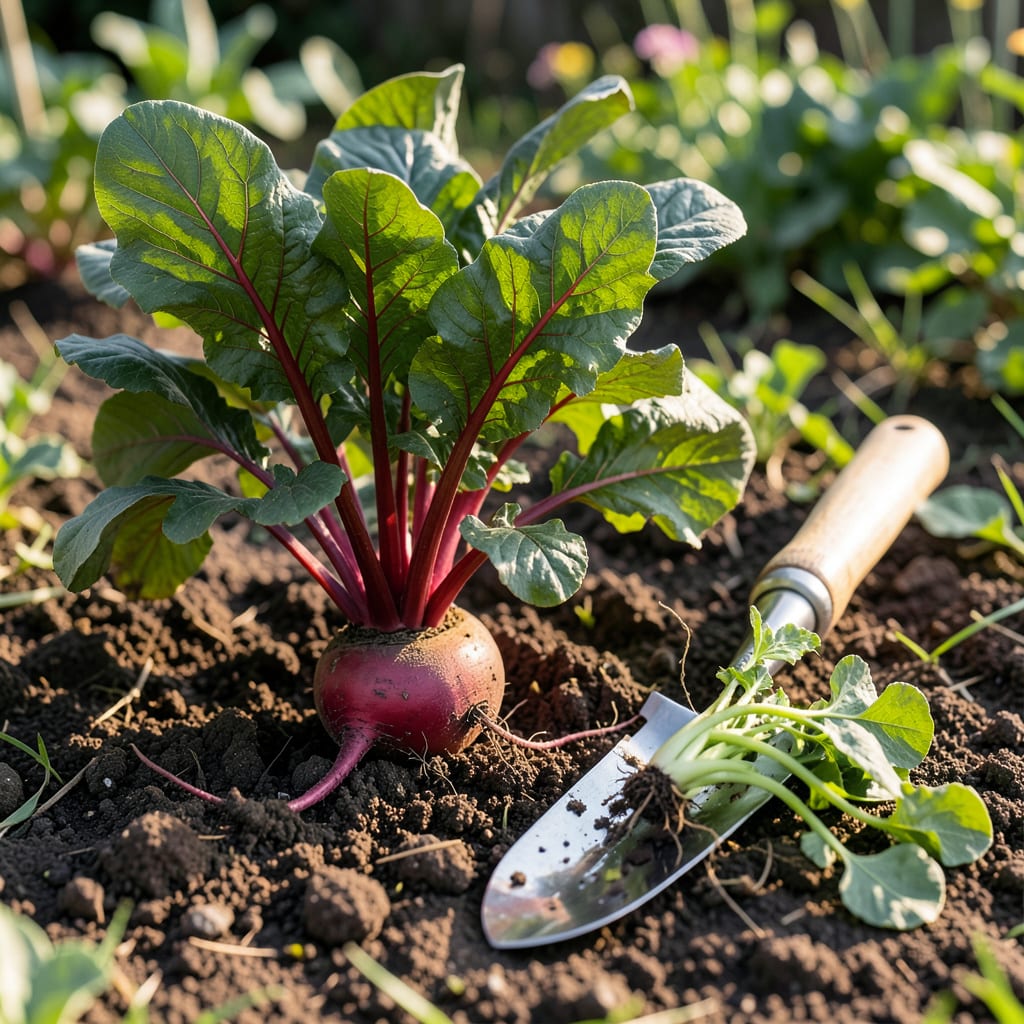
Tired of pulling up woody beetroots that should have been sweet and tender? The most important harvest signs are hiding in plain sight.
With 🟣 Beetroot, timing is everything. I’ll show you how to spot the 2 foolproof clues that guarantee perfect picks every time.


I check my beetroot patch weekly once the greens start looking robust. The first clue is size: perfect beets measure 1-3 inches across at the shoulder.
Any smaller and they’re not mature; much larger and they’ll turn woody and tough. I’ve learned this the hard way after pulling up baseball-sized beets that were inedible.
| Sign | Ready When… |
|---|---|
| Size | 1-3 inch diameter |
| Soil Line | Shoulder 1-2 inches above ground |
| Color | Deep purple/red |
| Texture | Smooth and firm |
The soil line method is my favorite trick. When the top of the beet pokes 1-2 inches above the soil, it’s ready. This happens because the expanding root pushes itself upward.
I also look at the leaf health. Vibrant, dark green leaves with strong stems indicate a healthy root below. If the leaves start yellowing or wilting, it might be overdue for harvest.
The texture is another giveaway. Gently brush away soil from the beet’s shoulder and feel it. A smooth surface means it’s ready, while a rough texture suggests it needs more time.
Many gardeners make the mistake of waiting for larger beets, thinking bigger is better. But oversized beets become fibrous and lose their sweetness. I’ve found 1.5-inch beets are the sweetest.
For a quick check without pulling the plant, I use my fingers to gently probe the soil around the base. If I can feel a firm, rounded root about the size of a golf ball, it’s harvest time.
Remember that beet varieties can differ slightly. Detroit Dark Red beets are ready at 1-2 inches, while Chioggia can grow larger without losing quality. Always check your seed packet for specifics.
I’ve also noticed that consistent watering affects harvest time. Beets in dry soil may mature slower and develop a tougher texture. Keep your soil evenly moist but not soggy for the best results.☀️
I always watch the calendar and weather when growing beetroot. In cool climates, beets mature in 50-70 days, while warmer areas speed this up slightly. The soil temperature plays a huge role too.
My go-to method is the soil line check. When the beet’s shoulder pushes 1-2 inches above ground, it’s signaling readiness. This works because the expanding root naturally rises as it grows.
Perfect picking time is when shoulders appear above soil AND roots reach 1-3 inches in diameter. Cooler temps may extend maturity by 1-2 weeks.
For spring planting, I start checking at 50 days after sowing. In fall plantings, the cooler weather means I add 5-10 days to the timeline. The soil line method remains reliable in all seasons.
Regional differences matter too. In northern zones, I find beets take the full 70 days, while southern gardeners often harvest at 50 days. Always adjust for your specific growing conditions.
I practice succession planting every 2-3 weeks for continuous harvests. This way, I always have tender beets ready while avoiding the woody ones that come from waiting too long.
The soil line is my most trusted indicator. Even if the leaves look small, that visible shoulder means the root is ready. I’ve pulled perfect 1-inch beets this way that were sweeter than larger ones.🌱
I see gardeners make the same beetroot timing errors year after year. The first is waiting too long for bigger roots. Anything over 3 inches usually turns woody and bitter.
Another classic mistake is ignoring the soil line. That 1-2 inch shoulder above ground is nature’s way of saying “pick me now!” I’ve missed this cue too many times.
The third error is judging by leaf size. Big leaves don’t always mean mature roots. I’ve pulled plants with huge greens only to find tiny, underdeveloped beets below.
To avoid these, I now check the soil line weekly once plants are 40 days old. When I see that shoulder peeking out, I know it’s time to harvest regardless of leaf size.
For Chioggia beets, I’m more patient as they can grow larger without losing quality. But for most varieties, I stick to the 1-3 inch rule religiously. This simple habit has saved me from many disappointing harvests.🌱
Harvest when roots reach 1-3 inches in diameter. Smaller than this and they’re underdeveloped; larger and they’ll turn woody and tough.
Leaf size doesn’t indicate root maturity. Focus on the soil line—when the shoulder appears 1-2 inches above ground, it’s ready regardless of leaf size.
Yes, leaving them past 3 inches usually results in fibrous, bitter roots. Check weekly once plants are 40 days old to catch them at peak tenderness.
In cool climates, beets may take the full 70 days, while warmer areas often mature in 50 days. Adjust based on your local conditions.
