
Beautiful Plants For Your Interior
Beautiful Plants For Your Interior
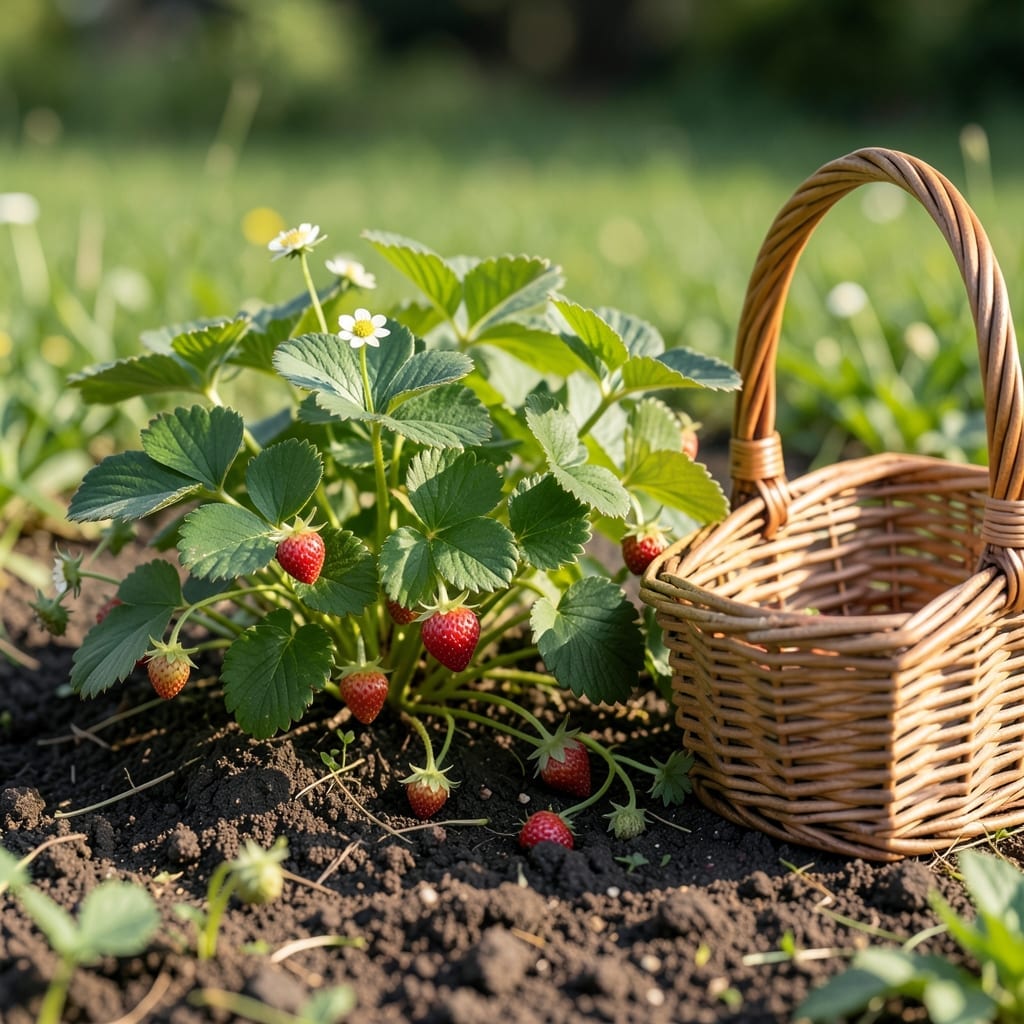
There’s something magical about stumbling upon a patch of Wild Strawberry 🍓 in full fruit. These tiny, flavor-packed berries don’t follow a store-bought schedule – they march to nature’s own drum.
As someone who’s spent countless spring mornings searching for that perfect red flush, I can tell you timing is everything. The window for harvesting these wild treasures is surprisingly brief.
Understanding the rhythm of Wild Strawberry plants across zones 3-10 can mean the difference between an empty basket and a sweet reward. Their fruiting season is as predictable as it is fleeting.
Let me walk you through when to expect these berries to ripen and how to make the most of their short but delicious appearance in your garden or foraging adventures.
If you’re wondering when wild strawberries fruit, the answer depends on your climate and local conditions. In most regions, these delicate plants produce berries from late spring to early summer, typically June through August. 🌱
The fruiting timeline starts with white flowers in April or May, followed by berry development over 4-6 weeks. Warmer climates may see earlier blooms, while cooler areas experience delayed fruiting. 🌿
| Stage | Timing | Notes |
|---|---|---|
| Flowering | April-May | White 5-petal blooms |
| Fruit Set | May-June | Green berries form |
| Harvest | June-August | Peak ripeness |
I’ve found that wild strawberries in USDA zones 3-7 typically peak in early July, while southern zones may start producing as early as late May. The growing season is short, so timing your foraging is crucial. ☀️
These plants thrive in full sun with well-drained soil. If your area has late frosts, the fruiting period might shift later. I always check for first blooms as my cue that berries are coming soon.
For the best harvest, I recommend morning foraging when berries are firm and fresh. Wild strawberries are small but packed with intense flavor, making them worth the wait. Their fruiting window is brief, often just 2-3 weeks per plant.
Moisture levels affect timing too. A wet spring can delay flowering, while dry conditions may speed up the process. I’ve noticed plants near woodland edges often fruit 1-2 weeks earlier than those in open fields.
To maximize your harvest, mark locations where you spot early flowers. These plants often produce multiple flushes if conditions are right. I’ve had success finding second harvests in late summer after a rainy period.
Remember that wild strawberries spread via runners, so a healthy patch can provide years of harvests. The first year usually yields fewer berries, but established plants produce more abundantly. 🌱
If you’re cultivating them, mimic natural conditions for best results. Avoid over-fertilizing, as this can reduce berry production. I’ve found that organic mulch helps maintain the moisture balance these plants prefer.
I love spotting wild strawberries in my garden—they’re tiny but packed with flavor. The key is knowing exactly when to pick them for the sweetest taste. Unlike store-bought berries, these fragile fruits ripen quickly and spoil fast.
Look for deep red color and a sweet aroma as the first signs. The berries should feel slightly soft to the touch and detach easily from the stem. If they’re still green or white, leave them for another day.
Timing matters too. I always harvest in the early morning when temperatures are cool. This keeps the berries firm and preserves their flavor. Avoid picking after rain, as excess moisture can cause quick spoilage.
Wild strawberries grow close to the ground, so I kneel or squat to inspect them carefully. Their small size means they’re easy to overlook, but the bright red color stands out against green foliage if you look closely.
Remember, these plants are perennial, so gentle harvesting ensures they’ll return next year. I never pull the berry—I use small scissors or my fingernails to snip the stem cleanly. This protects the plant’s crown and encourages future growth.
With practice, you’ll recognize the perfect moment to harvest. The reward is bursting with sweetness that cultivated varieties often lack. 🌿