
Beautiful Plants For Your Interior
Beautiful Plants For Your Interior
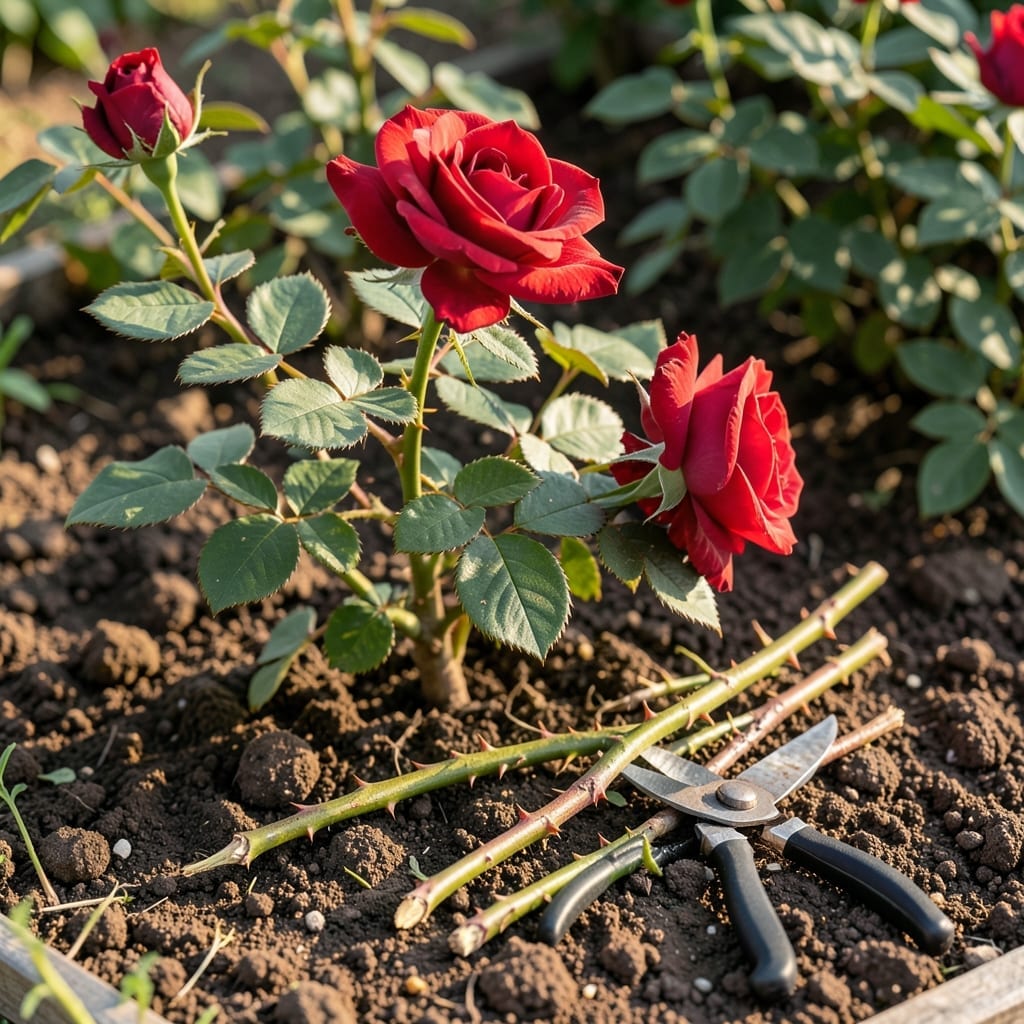
Pruning your 🌹 Rose at the wrong time can cost you this season’s blooms. I learned this the hard way after cutting back my plants too late one year.
Timing is everything when it comes to keeping your roses healthy and vibrant. In zone 6, early spring is your sweet spot for most varieties.
Discover how to match pruning to your rose type and climate for the best results. Let me show you exactly when to grab those shears.
Timing your rose pruning correctly ensures healthy growth and abundant blooms. I’ve found that late winter or early spring works best for most roses in temperate climates.
For cold climates, wait until frost danger has passed, while warmer regions can prune earlier. Each rose type has its own ideal window, so let’s break it down.
| Rose Type | Best Pruning Time | Climate Adjustments |
|---|---|---|
| Hybrid Teas | Early spring | Before new growth starts |
| Shrub Roses | Late winter | After last frost in cold areas |
| Climbing Roses | After blooming | Or in late winter for repeat bloomers |
| Old Garden Roses | After flowering | Avoid heavy pruning in fall |
| Floribundas | Early spring | Same as hybrid teas |
In USDA Zone 6, I prune my hybrid teas and floribundas in March or April, just as the buds swell but before leaves emerge. This timing helps prevent winter damage while encouraging strong new growth.
For climbing roses, the approach differs. I prune these right after their first big bloom in summer, then lightly again in late winter to shape them. This keeps them flowering all season long.
Old garden roses, like gallicas and damasks, bloom on old wood. I only prune these after flowering to avoid cutting off next year’s blooms. It’s a gentle process—just enough to shape and remove dead wood.
In warmer climates, like Zone 9, you can prune as early as January or February. But in colder areas, wait until April to avoid frost damage to new growth. I always check the 10-day forecast before starting.
If you’re unsure, look for swelling buds on your roses. That’s nature’s signal that it’s time to prune. I also avoid pruning in late fall, as it can stimulate new growth that won’t survive winter.
For repeat-blooming roses, a light pruning after each flush of blooms keeps them tidy and encourages more flowers. I use sharp bypass pruners for clean cuts that heal quickly.
Remember, the goal of pruning is to create a strong framework for your rose bush. Remove dead or diseased wood first, then shape the plant by cutting back one-third to one-half of the previous year’s growth.
Pruning roses doesn’t need to be intimidating. I start by gathering the right tools: sharp bypass pruners, long-handled loppers, and thick gloves to protect my hands from thorns.
First, I remove all dead or diseased wood, cutting back to healthy tissue. This prevents the spread of fungal infections and opens up the plant for better airflow.
When making cuts, I always angle them at 45 degrees about 1/4 inch above an outward-facing bud. This encourages new growth to develop away from the center, improving airflow.
For hybrid teas and floribundas, I aim to create an open vase shape. This means removing inward-growing canes and shortening the remaining ones to 18-24 inches tall.
I also pay attention to the thickness of canes. I remove any pencil-thin growth, as these won’t produce strong blooms. The strongest canes are typically pencil-thick or thicker.
After pruning, I always clean up all debris around the base. This helps prevent disease spores from overwintering in the garden. I finish by applying a layer of mulch to protect the roots. ✂️