
Beautiful Plants For Your Interior
Beautiful Plants For Your Interior
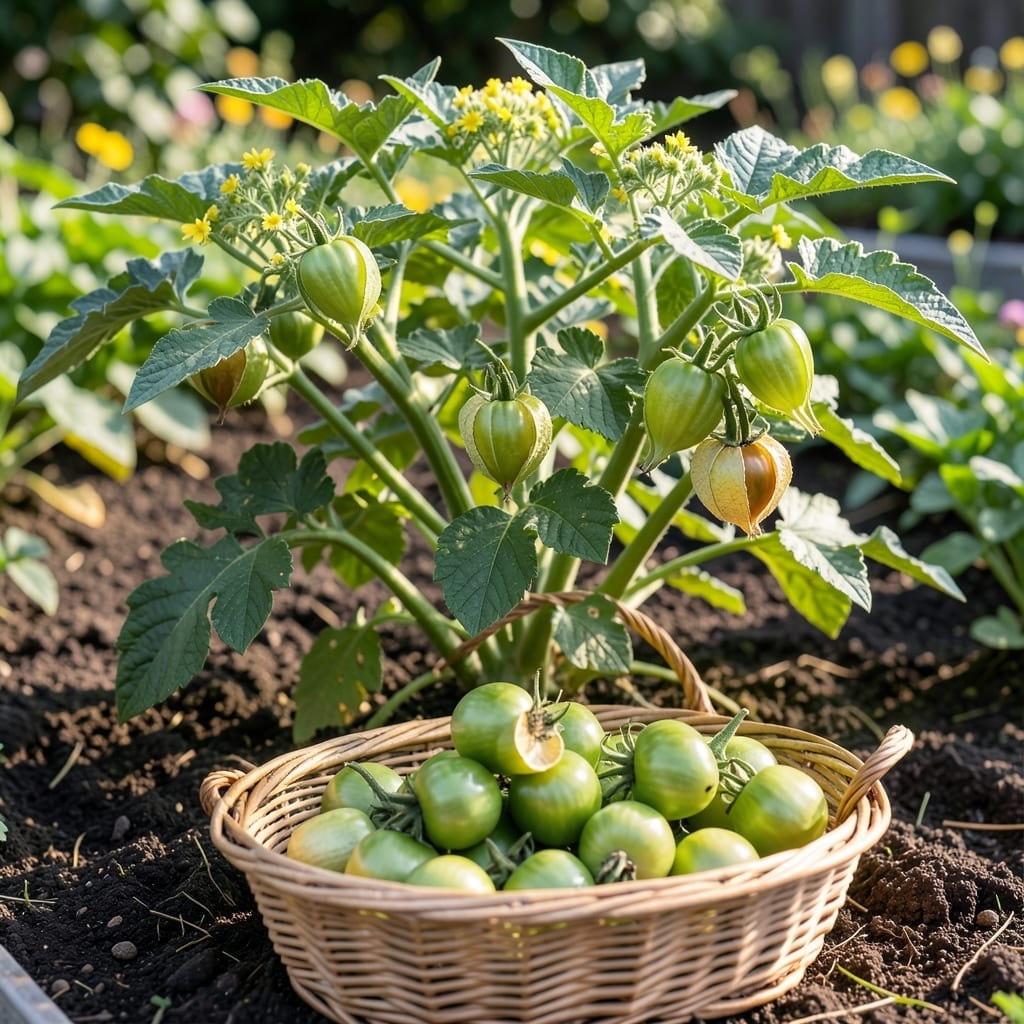
There’s something magical about watching your Tomatillo plants transform from tiny seedlings to fruit-bearing powerhouses. But when exactly can you expect those papery husks to reveal their tangy treasures?
As a gardener in Zone 6a, I’ve learned that timing is everything with these unique plants. The journey from planting to harvest isn’t as mysterious as it seems once you understand the natural rhythm.
From the ideal spring planting window to the telltale signs of impending fruit, there’s a predictable pattern to follow. The key lies in knowing what to look for and when to expect it.
Let me walk you through the Tomatillo fruiting timeline so you’ll know exactly when to start checking those husks for ripeness. The wait is always worth it for these flavorful gems.
I often get asked about the tomatillo fruiting timeline, and it’s a fascinating process. From planting to harvest, these hardy nightshade plants follow a predictable pattern. With proper care, you’ll see first fruits in about 75-100 days after planting.
In my experience, warm soil is crucial for germination. Start seeds indoors 6-8 weeks before the last frost, or plant directly once soil reaches 60°F. This gives your tomatillos a strong start for the growing season.☀️
| Growth Stage | Timeline | Key Details |
|---|---|---|
| Germination | 7-14 days | Keep soil moist and warm |
| Seedling | 4-6 weeks | Transplant after frost danger passes |
| Flowering | 60-70 days | Yellow flowers appear, self-pollinating |
| Fruiting | 75-100 days | Husks form and fill with fruit |
The flowering stage is particularly exciting. You’ll notice bright yellow blooms around 60-70 days after planting. These flowers are self-pollinating, but a gentle shake of the plant can help ensure fruit set.
Once pollination occurs, the green husks begin to form. This is when your patience pays off. The husk development is the first visible sign that tomatillos are fruiting. Keep an eye out for these paper-like coverings.
I’ve found that consistent watering during this period is key. Aim for 1-2 inches per week, and avoid letting the soil dry out completely. This helps the fruit develop properly inside its protective husk.
As the fruits mature, the husks change color from green to brown and begin to split open. This usually happens 75-100 days after planting, depending on your climate and care. Warmer regions may see fruits earlier.
For the best results, ensure your tomatillo plants receive full sun (6-8 hours daily) and are spaced 2-3 feet apart. This gives them room to grow and improves air circulation, reducing disease risk.
If you’re in a cooler climate, starting seeds indoors gives you a head start. In USDA zones 6-7, I recommend planting after the last frost date, typically in mid-April to May. This aligns with their natural growing season.
Finally, remember that tomatillos need companions. Plant at least 2-3 plants together for better pollination. This simple step can significantly boost your fruit yield and ensure a successful harvest.🌱
Watching for visual cues is the best way to know when your tomatillo plants are nearing their fruiting stage. I always look for yellow flowers first, as these appear before the fruit develops inside its paper husk.
Once the flowers drop, the husks begin to form and swell. This is a clear signal that fruit is developing inside. The transformation from flower to husk usually takes about 1-2 weeks, depending on the weather.
Another sign I watch for is the husk color change. When it shifts from bright green to a tan or brown, the fruit inside is nearly ready. This usually happens 75-100 days after planting, depending on the variety.
You’ll also notice the fruit filling the husk. A ripe tomatillo should feel firm and plump through the husk. If it’s still small or soft, it needs more time on the vine.
The final giveaway is the sticky coating on the fruit. This natural residue appears as the tomatillo matures, and it’s a surefire sign that harvest time is near. I check for this daily once the husks start browning.
Remember, these cues can vary slightly based on your climate and growing conditions. In cooler areas, the process may take a bit longer, while warmer regions might see faster development. Always keep an eye on the husk and fruit for the most accurate signs. 🌱