
Beautiful Plants For Your Interior
Beautiful Plants For Your Interior
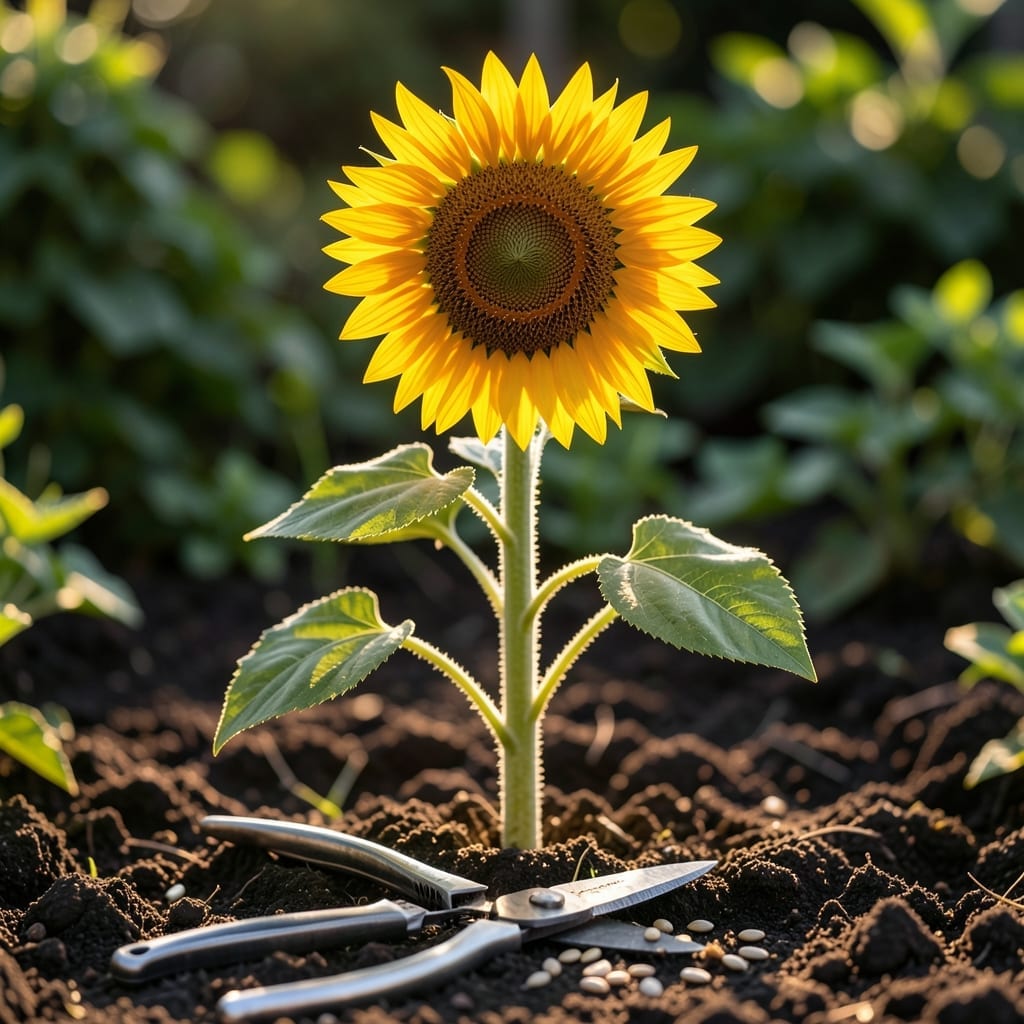
Watching a Sunflower 🌻 mature from a bright bloom to a seed-filled head feels like magic. But timing is everything when it comes to harvesting those seeds.
From the moment those golden petals unfurl, the clock starts ticking. You’ve got a narrow window to catch them at peak readiness.
I’ve learned the hard way that waiting too long or harvesting too soon can ruin your yield. The good news? There are clear signs to watch for.
Discover the exact timeline from bloom to harvest, so you never miss the key moment with your Sunflower crop.
The sunflower lifecycle is fascinating, with seed production beginning after pollination. Once those bright yellow petals open, bees and other pollinators get to work transferring pollen between flowers.
I’ve noticed that seed development typically starts 20-30 days after the flower fully blooms. The center of the sunflower, called the disk floret, is where the magic happens. This is when the tiny seeds begin to form and mature.
| Stage | Timeline | Key Signs |
|---|---|---|
| Pollination | Day 0-5 | Bees visit open flowers |
| Seed Formation | Day 10-20 | Center darkens, petals wilt |
| Seed Maturation | Day 20-40 | Seeds plump, head droops |
| Harvest Ready | Day 30-50 | Back turns yellow, seeds hard |
As the seeds develop, you’ll see the back of the flower head change from green to yellow. This color shift is a great indicator that the seeds are nearing maturity. The petals will also start to fall off, which is a natural part of the process.
The flower head will begin to droop as the seeds get heavier. This is a sure sign that the seeds are almost ready. I like to check the seeds by gently pressing them—if they feel hard and plump, they’re nearly there.
Weather plays a big role in seed production. Too much rain can delay maturation, while hot, dry conditions can speed it up. I’ve found that consistent watering and full sun help ensure a strong, timely harvest.
If you’re growing multiple sunflower varieties, keep in mind that dwarf types may mature faster than giant varieties. For example, ‘Teddy Bear’ sunflowers might produce seeds in 60 days, while ‘Mammoth’ types can take up to 120 days.
Once the seeds are fully mature, the flower head will look brown and dry. At this point, it’s time to harvest. I recommend cutting the head with a few inches of stem and hanging it upside down in a dry, ventilated area to finish drying.
Remember, the timing of seed production can vary based on your climate and the specific sunflower variety. But by watching for these visual cues, you’ll know exactly when your sunflowers are ready to share their bounty.
I always mark my calendar 80-100 days after planting as a reminder to start checking for these signs. It’s a simple way to stay on top of the process and ensure I don’t miss the perfect harvest window.
Knowing the exact moment to harvest sunflower seeds can be tricky, but there are clear visual cues to watch for. I start checking when the back of the head turns from green to yellow, which usually happens 30-40 days after blooming.
The flower head will begin to droop as the seeds mature and grow heavier. This is nature’s way of protecting the seeds from rain and birds. I’ve found that this drooping is one of the most reliable signs that harvest time is near.
Another sure sign is the seed color change. Immature seeds are soft and white, but as they mature, they develop a black and white striped pattern. When they’re fully ready, the stripes become more pronounced and the seeds feel hard to the touch.
I always do a moisture test by pressing a seed with my fingernail. If it doesn’t leave an indentation, the seeds are dry enough for harvest. This simple test has saved me from harvesting too early more times than I can count.
Remember that different varieties have different timelines. My ‘Autumn Beauty’ sunflowers often take 90-100 days from planting to seed maturity, while smaller varieties like ‘Sunspot’ can be ready in as little as 60 days.
Once all these signs align, it’s time to harvest. I cut the head with about 12 inches of stem and hang it upside down in a dry, well-ventilated area for 1-2 weeks to ensure the seeds are completely dry before storage. ☀️