
Beautiful Plants For Your Interior
Beautiful Plants For Your Interior
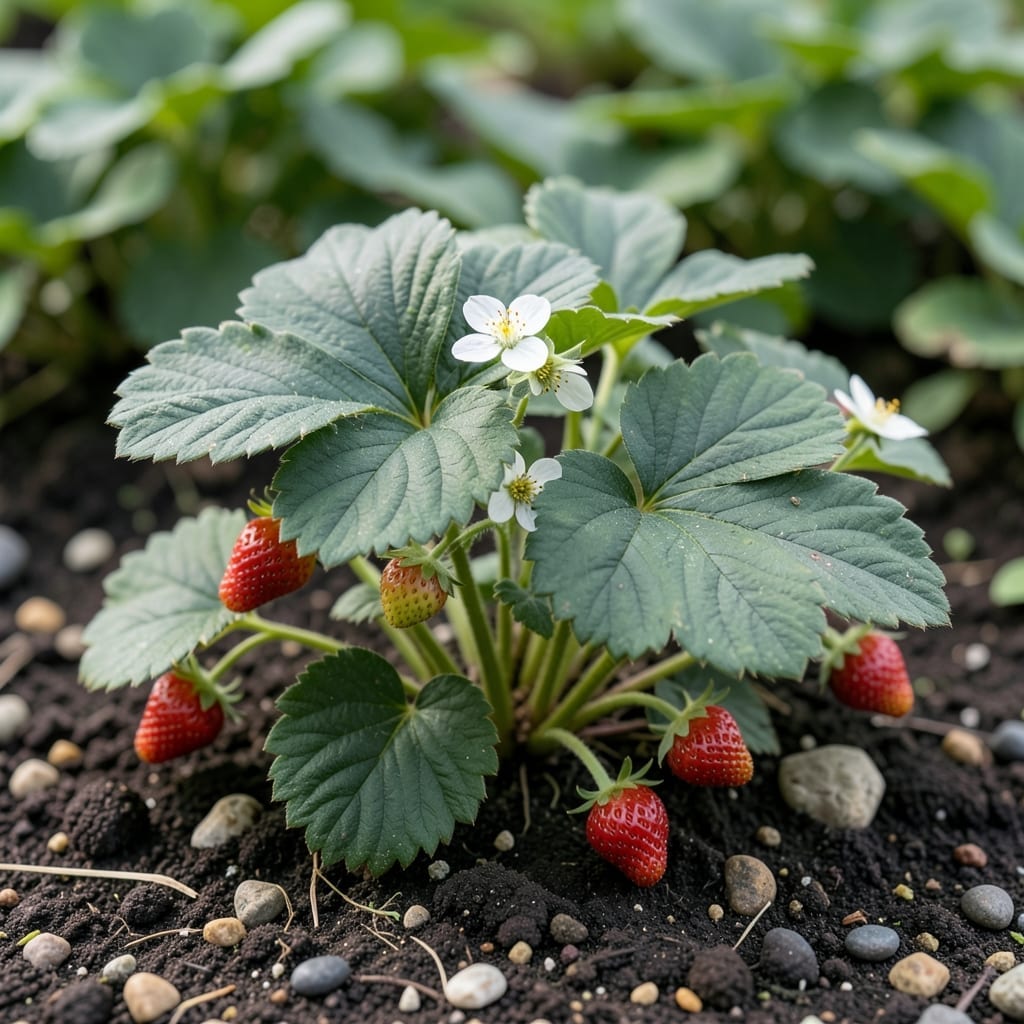
Watching your 🍓 Strawberry plants burst into bloom is one of the most exciting moments for any gardener. But knowing when to expect those delicate white flowers can make the difference between a bountiful harvest and a disappointing season.
Timing varies by type—June-bearing, everbearing, or day-neutral—but most follow a spring schedule. In Zone 6, you’ll typically see blooms between March and April, setting the stage for those sweet summer treats.
I’ll break down the exact timelines, share care tips to encourage healthier flowers, and help you troubleshoot if your plants aren’t cooperating. Let’s get your garden thriving.
If you’re wondering when strawberry plants flower, the answer depends on the variety. I’ve found that June-bearing strawberries produce a single, concentrated bloom in early spring, usually March to April.
Everbearing varieties flower multiple times, with the first blooms appearing in spring and additional flushes in summer and fall. Meanwhile, day-neutral strawberries flower continuously throughout the growing season, as long as temperatures stay between 40°F and 90°F.
Climate plays a huge role in flowering timing. In warmer zones like Zone 8, blooms may start as early as February. Cooler areas like Zone 4 might see flowers closer to May after the last frost has passed.
I always recommend checking your local frost dates and adjusting expectations accordingly. A late frost can damage early blooms, so I protect my plants with row covers if a cold snap threatens.
Soil temperature also matters. Strawberries prefer soil temps between 60-80°F for optimal flowering. Using black plastic mulch can help warm the soil faster in spring.
For June-bearing varieties, the flowering period lasts about 2-3 weeks. Each flower can produce a berry, so more blooms mean a bigger harvest. I’ve noticed that healthy plants with good air circulation tend to produce more flowers.
Everbearing types like ‘Albion’ or ‘Seascape’ will flower in cycles. The first bloom is usually the heaviest, with smaller flushes following every 4-6 weeks if conditions are right.
Day-neutral varieties such as ‘Tristar’ are my go-to for continuous harvests. They’ll keep flowering and fruiting until the first frost, as long as I keep them well-watered and fertilized.
Remember, first-year plants may produce fewer flowers as they establish their root systems. I’ve found that removing the first set of blooms on June-bearing strawberries can lead to stronger plants and better yields in subsequent years.☀️
To get the most from your strawberry plants, I focus on soil preparation first. A well-draining mix rich in organic matter gives roots the best start. I work in compost or aged manure before planting.
Sunlight is crucial for flowering. I ensure my plants get at least 6-8 hours of direct sun daily. In shadier spots, I’ve noticed fewer blooms and smaller fruits, so full sun is non-negotiable.
I’ve found that consistent watering keeps plants happy. I aim for 1-2 inches per week, adjusting for rain. Drip irrigation works best to avoid wetting the leaves, which can lead to disease.
Fertilizing properly makes a big difference. I use a balanced 10-10-10 in early spring, then switch to a lower-nitrogen option as flowering begins. Too much nitrogen can lead to leafy growth at the expense of blooms.
For earlier blooms, I use black plastic mulch to warm the soil faster. This can speed up flowering by 1-2 weeks in cooler climates. Just be sure to remove it if temperatures spike to avoid overheating roots.
Finally, I protect blooms from late frosts with row covers or cloches. A single cold night can wipe out early flowers, so I keep an eye on the weather forecast and act quickly if needed.🌿