
Beautiful Plants For Your Interior
Beautiful Plants For Your Interior
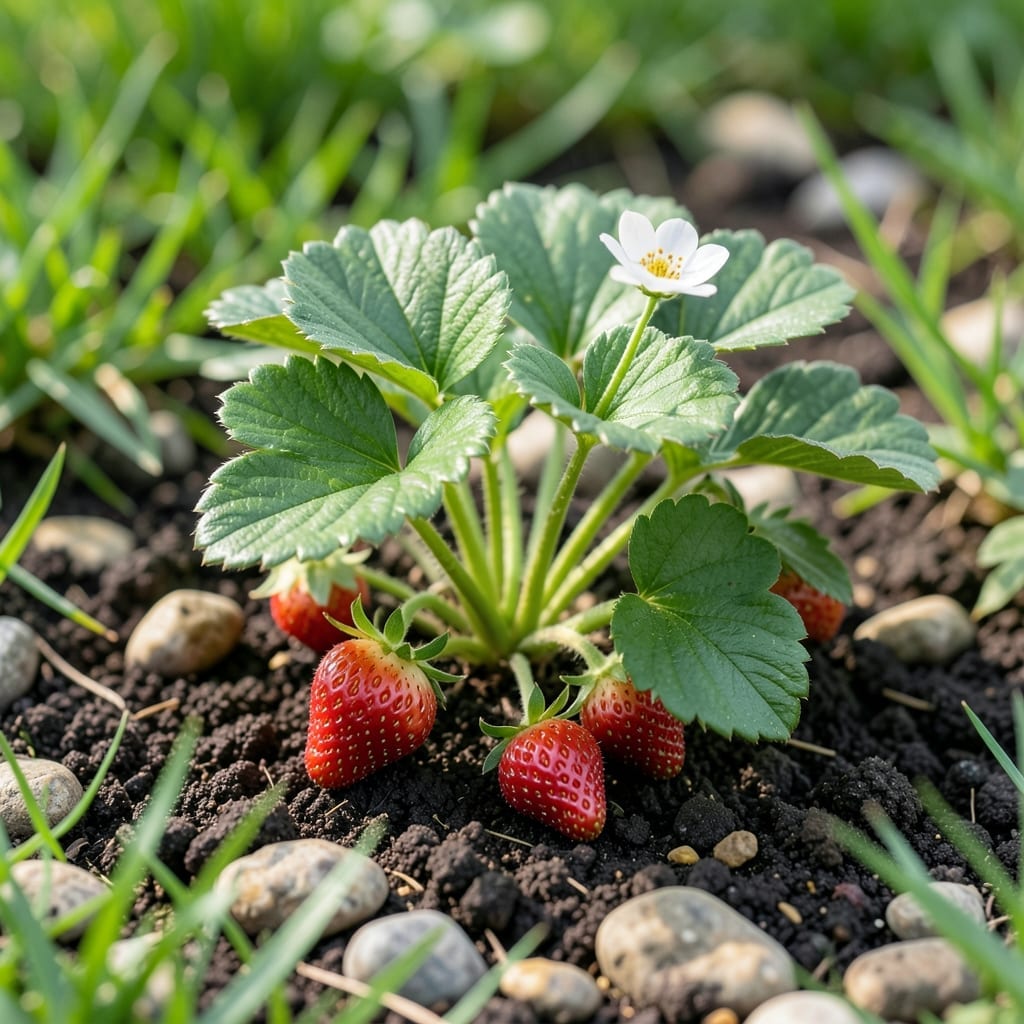
Nothing beats the taste of fresh, homegrown 🍓 Strawberry—but timing your harvest right is the key to success. If you’ve ever wondered when you’ll see those first red berries, you’re not alone.
Understanding the fruiting seasons for Strawberry plants can transform your gardening experience. Whether you’re growing June-bearing, everbearing, or day-neutral varieties, each has its own unique timeline.
In USDA Zone 6, you can typically expect your first harvest in May – June. But there’s more to it than just waiting for spring to arrive.
Discover how to maximize your yield by learning the exact conditions that trigger fruiting. Let’s dive into what makes your Strawberry plants thrive and produce those delicious berries you love.
Understanding when strawberries fruit starts with knowing your variety. Each type has a unique harvest timeline that impacts your gardening strategy. I’ll break down the differences so you can plan accordingly.
June-bearing strawberries produce a single, abundant harvest in early summer, typically over 2-3 weeks. This is the classic type most gardeners picture when they think of strawberry season.
| Strawberry Type | Fruiting Season | Harvest Duration | Climate Impact |
|---|---|---|---|
| June-Bearing | Early summer | 2-3 weeks | Best in cooler climates |
| Everbearing | Spring, summer, fall | Multiple smaller harvests | Adaptable to most regions |
| Day-Neutral | Continuous | All growing season | Thrives in mild climates |
Everbearing strawberries are more flexible, producing 2-3 harvests per year—usually in spring, summer, and fall. They’re ideal if you want a steady supply without a single overwhelming harvest.
For gardeners who want year-round potential, day-neutral strawberries are the answer. These varieties fruit continuously as long as temperatures stay between 40°F and 90°F. Perfect for mild climates!
Regional climate differences play a huge role. In warmer zones, like USDA Zone 9, June-bearing types may fruit earlier, while in cooler zones, like Zone 4, the harvest might shift later.
If you’re in a short-season area, day-neutral strawberries can be a game-changer. They’ll keep producing until frost if conditions are right, giving you more berries for your effort.
I always recommend planting a mix of varieties to extend your harvest. Start with June-bearing for that big summer haul, then add everbearing or day-neutral for continuous picking.
Remember, soil temperature and daylight hours trigger fruiting. Strawberries need 6+ hours of sun daily and consistent moisture to set fruit properly. ☀️
For the best results, mulch your plants to retain moisture and suppress weeds. This is especially important during fruiting periods to prevent stress on the plants.
Finally, keep an eye on pests and diseases, as they can derail your harvest. Healthy plants with proper spacing and good air circulation will fruit more reliably. 🌱
I love getting more than one strawberry harvest per season, and you can too with a few smart tricks. The key is understanding your variety’s fruiting habits and working with them.
For everbearing strawberries, you can often get two to three harvests if you provide consistent care. Day-neutral varieties are even more forgiving, producing fruit throughout the growing season.
I’ve found that container gardening works wonders for extending the season. You can move pots to shadier spots during heatwaves or sunnier locations when temperatures drop.
Renovating June-bearing plants right after their main harvest can encourage a second, smaller crop in early fall. Just trim back the foliage and give them a light fertilizer boost.
Don’t forget about microclimates in your yard. A south-facing wall can provide extra warmth, while a shady corner might protect plants from scorching sun.
With these techniques, I’ve managed to enjoy fresh strawberries from late spring through early fall. It just takes a little planning and attention to your plants’ needs.☀️