
Beautiful Plants For Your Interior
Beautiful Plants For Your Interior
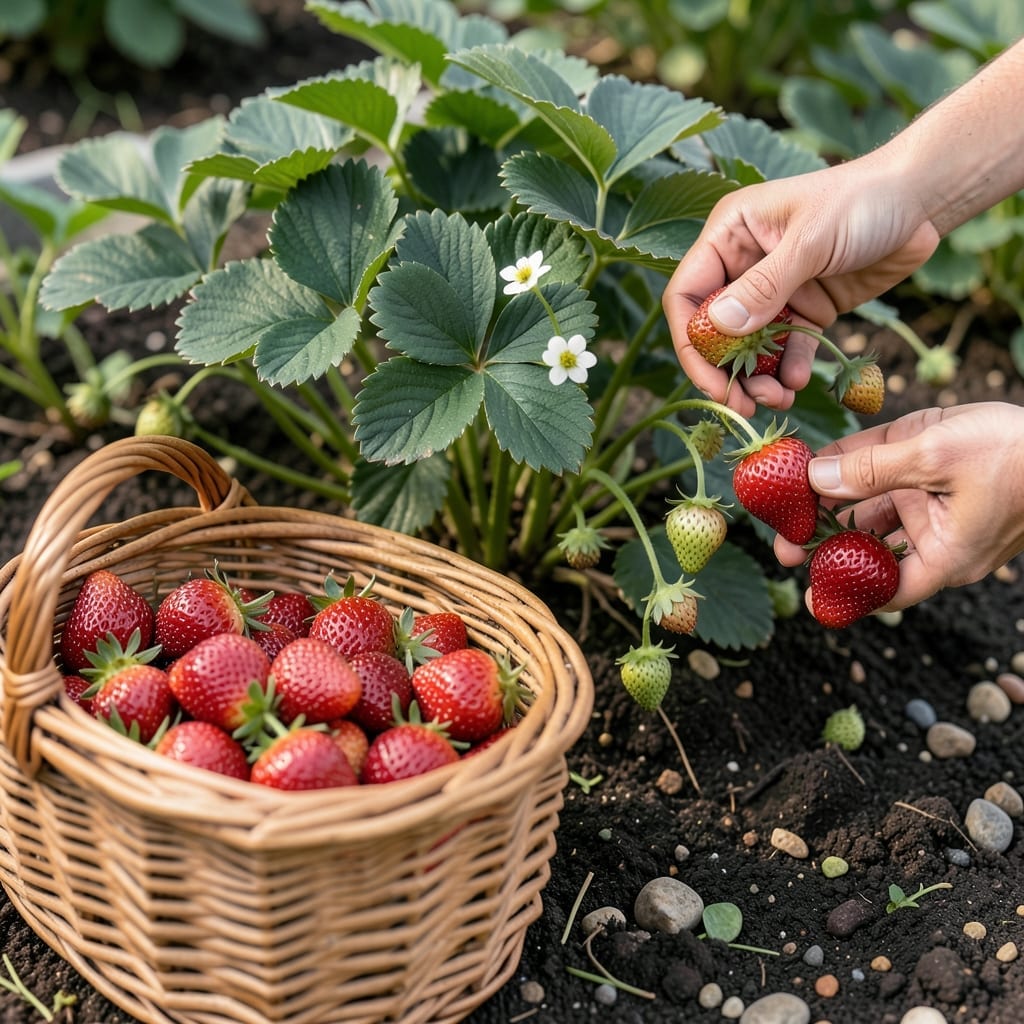
Nothing beats the taste of fresh, sun-ripened Strawberry 🍓 straight from the garden. But timing is everything when you want that perfect sweetness.
I remember my first attempt at picking them too early – what a disappointment. The difference between underripe and peak season berries is night and day.
Discover exactly when to expect the best harvest in your area and how to make the most of the spring bounty. Let me show you how to time it right.
As a gardener, I’ve learned that strawberry season varies dramatically across the country. The timing depends on climate, day length, and local weather patterns that trigger fruiting.
In warmer regions, you might start picking as early as March, while cooler areas may not see berries until June or even July. Knowing your region’s typical window helps you plan.
| Region | Peak Strawberry Season | Climate Factors |
|---|---|---|
| West Coast | April-June | Mild winters, early spring |
| South | March-May | Warm early, humid summers |
| Midwest | May-July | Late frosts, variable spring |
| Northeast | June-August | Short season, cool springs |
The West Coast benefits from its mild climate, often producing the earliest berries. In California, some farms harvest year-round, but peak is April to June.
Down in the South, states like Florida and Texas can start as early as March. The heat accelerates growth but may shorten the season.
For the Midwest, I’ve found that May to July is typical. Late frosts can delay things, so watch the weather closely. Strawberry plants need consistent warmth.
Up in the Northeast, the season is shorter, usually June to August. The cooler spring means a later start, but the berries often develop exceptional flavor.
Local microclimates matter too. A south-facing slope might ripen berries 1-2 weeks earlier than a shady spot. I always check with nearby farms for the most accurate timing.
Remember that variety selection also affects timing. Some early-season cultivars can ripen 7-10 days sooner than standard types, giving you a head start on the harvest.
☀️
Not all strawberry plants follow the same schedule. I’ve grown all three main types, and their harvest windows differ significantly. Understanding these differences helps you plan for continuous berries.
The classic June-bearing strawberries produce one large harvest in early summer. They’re ideal if you want a big yield all at once for preserving or sharing with neighbors.
| Variety | Harvest Time | Key Trait |
|---|---|---|
| June-bearing | 2-3 weeks in June | Single large harvest |
| Everbearing | Spring & fall | 2-3 harvests per year |
| Day-neutral | Continuous | All season long |
Everbearing strawberries give you two to three smaller harvests—typically in spring, summer, and fall. They’re perfect for gardeners who want a steady supply without overwhelming amounts.
Day-neutral strawberries are my favorite for extended harvests. They produce berries throughout the growing season, as long as temperatures stay between 40°F and 90°F. These are great for containers or small spaces.
If you’re in a hot climate, day-neutrals may struggle in peak summer heat. I’ve found they do best with some afternoon shade in warmer zones to prevent stress.
For the longest possible season, I recommend planting a mix of all three types. This way, you’ll have June-bearing for your first big harvest, everbearing for mid-season treats, and day-neutrals for continuous picking. 🌱