
Beautiful Plants For Your Interior
Beautiful Plants For Your Interior
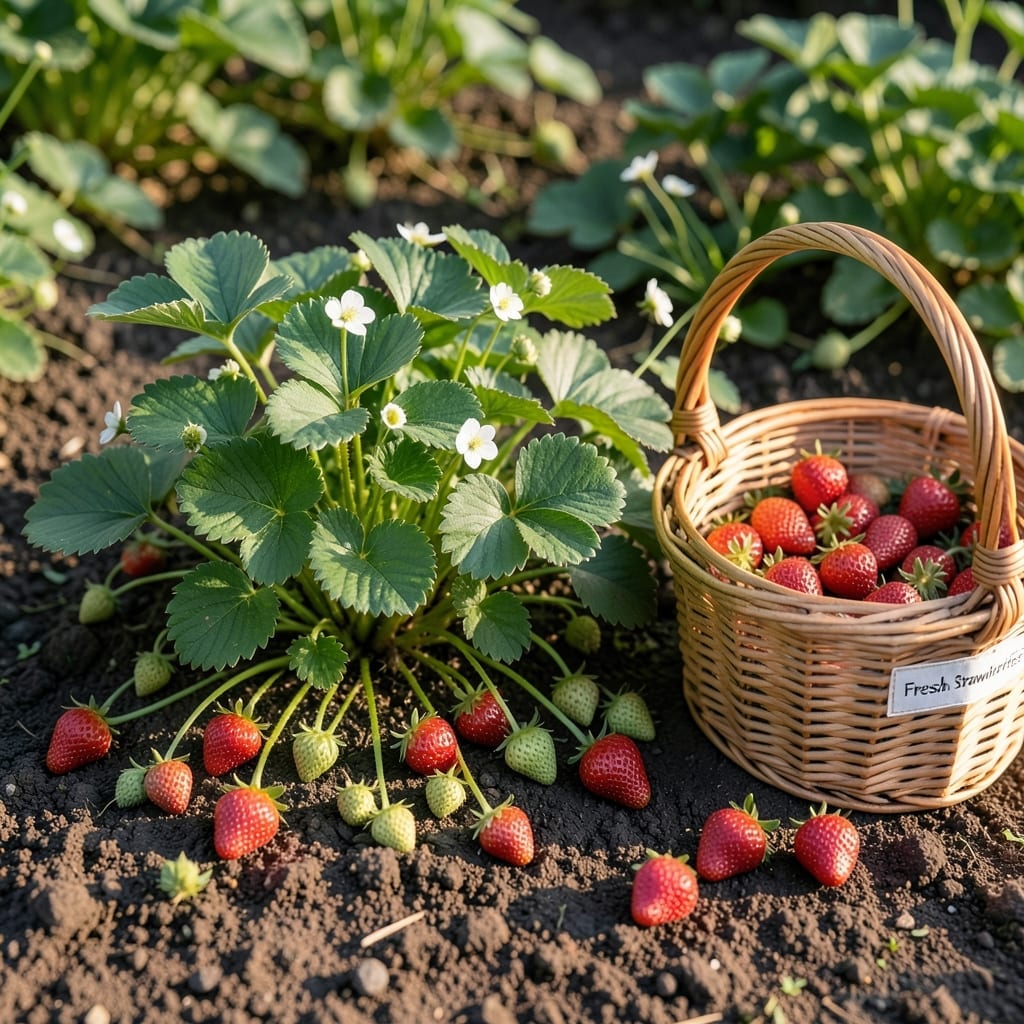
Nothing beats the taste of fresh, sun-ripened 🍓 Strawberry straight from the garden—but timing is everything. Knowing when to expect that first juicy bite makes all the difference.
I’ve learned that in Zone 6, the magic happens between May and June. Yet, even small regional shifts can change your harvest window dramatically.
Discover how to pinpoint your perfect picking time and never miss a single berry at its peak. Let’s get you ready for the sweetest season yet.
I’ve found that strawberry season varies dramatically across the U.S. due to climate differences and planting zones. In warmer areas like California and Florida, you might start picking as early as March or April. Cooler regions, such as the Pacific Northwest, often see their first berries in June or even July.
For most gardeners in USDA Zones 4-6, the peak harvest typically falls between late May and early July. However, everbearing and day-neutral varieties can produce multiple crops throughout the growing season, extending your enjoyment well into fall.
| Region | Peak Harvest | Notes |
|---|---|---|
| California | March – June | Early start, long season |
| Florida | November – April | Winter harvests possible |
| Midwest (Zones 5-6) | May – July | June-bearing peak in June |
| Pacific Northwest | June – August | Cooler climate delays harvest |
| Northeast | June – July | Short but productive window |
If you’re in Zone 7-8, like Texas or Georgia, you can often enjoy two harvests: one in spring and another in early fall. I recommend planting day-neutral varieties like ‘Albion’ or ‘Seascape’ for extended production in these areas.
In cooler climates, such as Zone 3-4, the season is shorter, usually July through early August. Here, June-bearing strawberries like ‘Honeoye’ or ‘Jewel’ are popular choices because they produce a single, abundant crop.
For gardeners in Zone 9-10, like Arizona or Southern California, strawberries can grow as winter crops. Plant in fall for a spring harvest, or use shade cloth to protect plants from intense summer heat.
I’ve noticed that microclimates can also affect timing. For example, strawberries planted in raised beds warm up faster in spring, potentially giving you berries 1-2 weeks earlier than those in in-ground plots.
Everbearing varieties, such as ‘Ozark Beauty’, can produce three harvests per year in ideal conditions. These are perfect for gardeners who want to extend their season without planting multiple batches.
To maximize your harvest, I suggest mulching with straw to retain moisture and suppress weeds. This keeps plants healthy and productive throughout their growing cycle.
Remember, local weather can shift these timelines. A late frost or unseasonal heatwave may delay or accelerate your harvest by a few weeks. Always keep an eye on your plants and adjust care as needed 🌱
I love getting more than one strawberry harvest from my garden, and successive planting makes this possible. By choosing the right strawberry varieties and timing your plantings, you can enjoy fresh berries from spring through fall. It’s all about strategy and variety selection.
June-bearing strawberries give a single, large harvest, usually in early summer. For continuous production, I plant everbearing and day-neutral varieties alongside them. These types produce multiple smaller crops throughout the growing season.
In my garden, I start with June-bearing plants like ‘Chandler’ for that big early summer flush. Then, I add everbearing ‘Quinault’ for a second harvest in late summer and day-neutral ‘Seascape’ for berries into fall.
For the longest season, I recommend planting in raised beds or containers. These warm up faster in spring and can be moved to shadier spots during hot summers, protecting your plants and extending productivity.
Spacing is also key. I give each plant 12-18 inches of space to ensure good air circulation and fruit production. Crowding can lead to smaller berries and disease issues, so don’t skimp on room.
Finally, remember that consistent watering and regular feeding keep plants productive. I use a balanced fertilizer every 4-6 weeks and water deeply 1-2 times per week, adjusting for rain and heat 🌱