
Beautiful Plants For Your Interior
Beautiful Plants For Your Interior
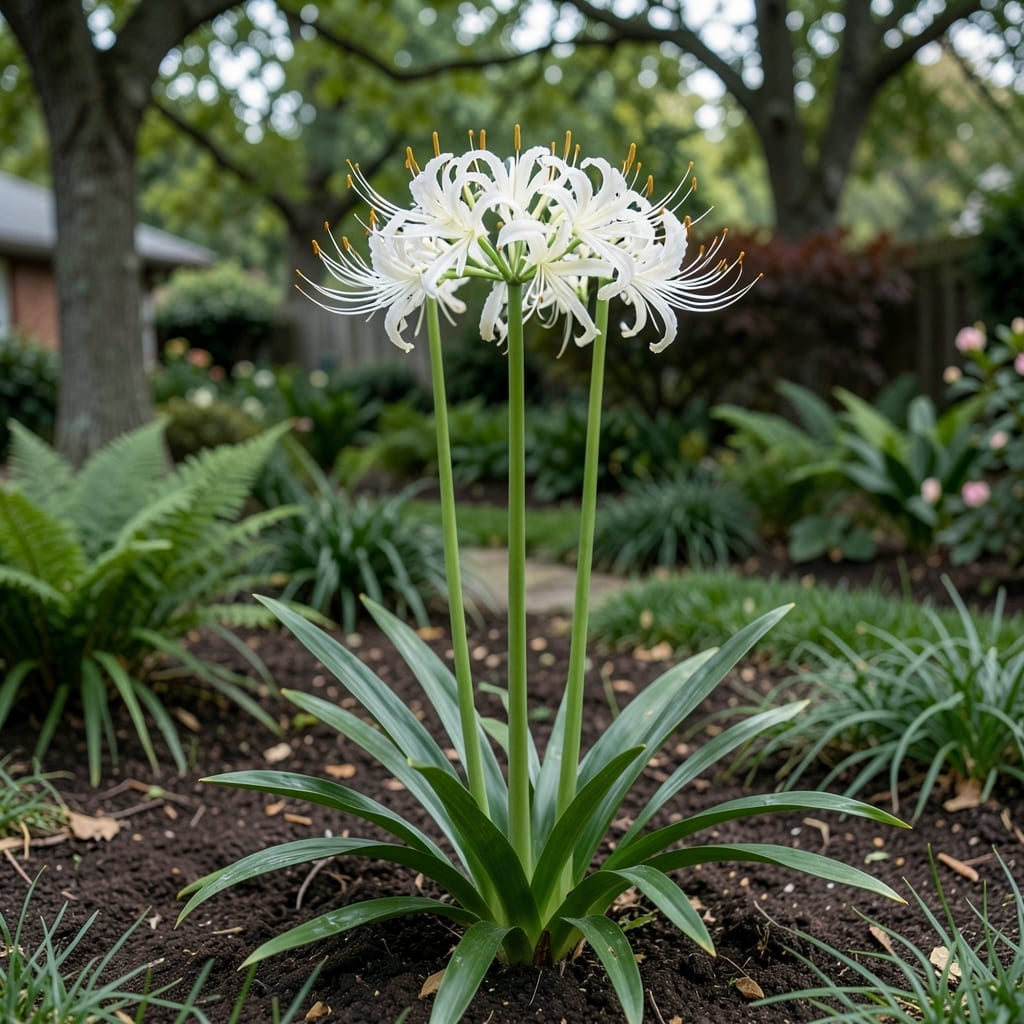
There’s something almost magical about watching Spider Lilies 🌸 appear suddenly in your garden. These striking perennials have a reputation for their dramatic, unexpected blooms that seem to pop up overnight.
As a gardener, timing is everything when it comes to enjoying their unique beauty. Their blooming period is one of nature’s most anticipated seasonal events, but many don’t realize it follows a very specific schedule.
I’ll walk you through exactly when to expect these stunning flowers and how to make the most of their fleeting display. Let’s discover what makes their timing so special.
One of the most fascinating aspects of Spider Lilies is their unpredictable yet consistent blooming schedule. These perennials typically flower in late summer to early fall, but the exact timing varies significantly by region.
In my experience, USDA hardiness zones play a crucial role in determining when you’ll see those dramatic spider-like blooms emerge from the ground.
| USDA Zone | Bloom Period | Variety |
|---|---|---|
| Zones 6-7 | August to September | Red Spider Lily |
| Zones 8-9 | July to August | Surprise Lily |
| Zones 10-11 | June to July | Golden Spider Lily |
The Red Spider Lily (Lycoris radiata) typically blooms in late August through September in cooler zones. I’ve noticed these often appear just as summer begins to wane.
In warmer regions like Zones 8-9, the Surprise Lily (Lycoris squamigera) lives up to its name by blooming earlier, usually from July to August. The name comes from its habit of appearing when you least expect it.
For gardeners in the deep South (Zones 10-11), Golden Spider Lilies may start their display as early as June. The heat seems to trigger their growth cycle sooner.
What makes these plants so intriguing is their unique growth pattern. The foliage appears in spring, dies back completely, and then the bare stems emerge with flower buds in late summer.
I always tell new gardeners to mark their calendars based on their zone. In Zone 6, you might see blooms in late August, while in Zone 9, they could appear a full month earlier.
The timing difference between zones can be up to 6-8 weeks. This is why local knowledge is so valuable when growing Spider Lilies. 🌸
Remember that these are general guidelines. Microclimates in your garden can cause variations. A south-facing slope might see blooms a week earlier than a shady north side.
For the most accurate timing, I recommend keeping a garden journal for a few years. Note when your Spider Lilies first appear and how long they bloom. This personal record will be more precise than any general guide.
While Spider Lilies follow a general late summer blooming pattern, several key factors can shift their timing by weeks. Understanding these helps you predict and even influence their display.
Temperature plays a major role. Warmer spring temperatures can accelerate bulb development, while cool summers might delay blooming. I’ve seen heatwaves trigger early flowers in my garden.
Planting depth is crucial. I always plant my Spider Lily bulbs at 4-6 inches deep. Any shallower, and they might sprout prematurely; deeper, and they could miss their window.
Bulb age matters more than many realize. Newly planted bulbs often take 2-3 growing seasons to establish before producing their first dramatic blooms. Patience is key with these perennials.
Weather patterns can override all other factors. A wet spring followed by a hot summer might make your lilies bloom a full month early. I keep notes each year to track these variations.
Finally, sunlight exposure can make or break your blooming season. These plants thrive in full sun to partial shade. In my shadier garden spots, the flowers often appear 1-2 weeks later than in sunnier areas. 🌸