
Beautiful Plants For Your Interior
Beautiful Plants For Your Interior
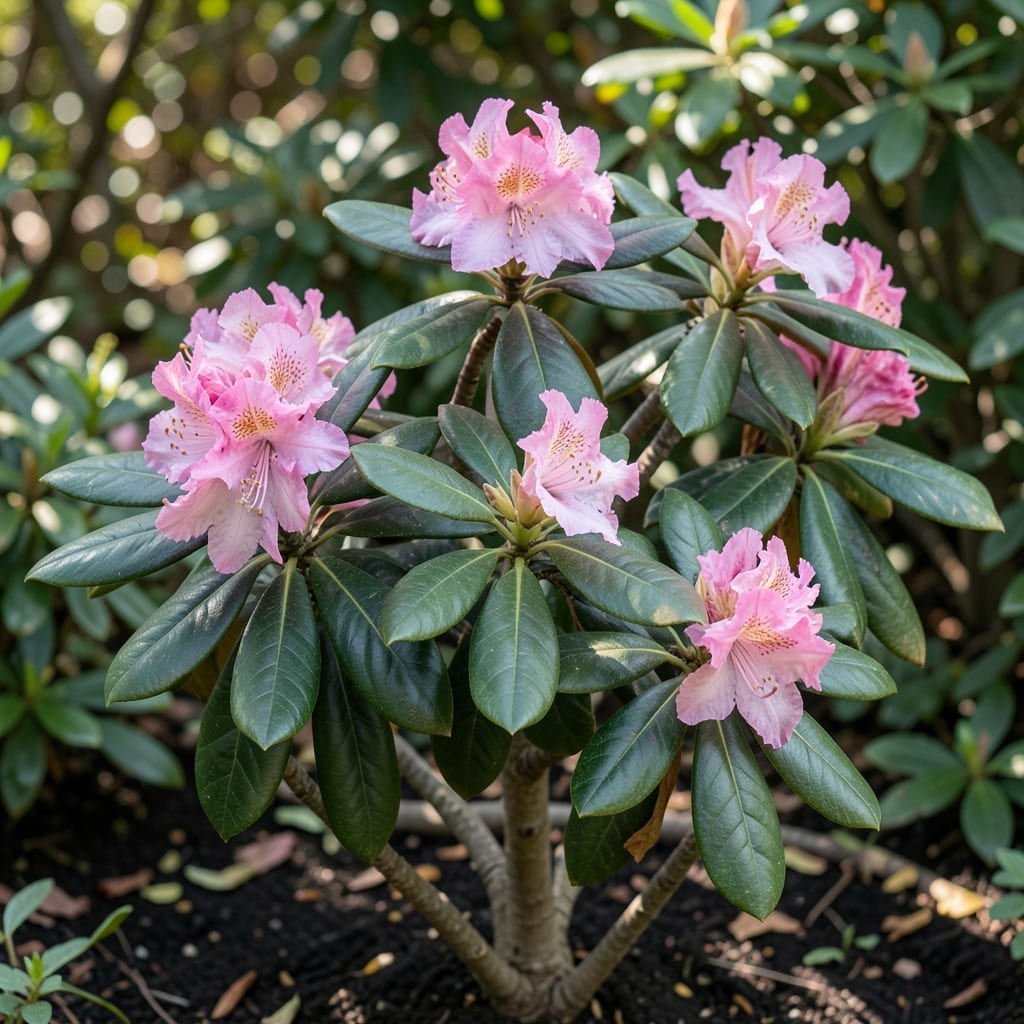
There’s nothing quite like watching 🌸 Rhododendrons burst into color across Pennsylvania’s gardens. These stunning shrubs can turn any landscape into a vibrant masterpiece, but their blooming schedule isn’t always predictable.
Depending on your location in zones 6a-7b and the specific variety you’ve planted, you might see those first gorgeous flowers at different times. The timing can shift by weeks based on microclimates and weather patterns.
I’ll help you understand the typical bloom windows for different Rhododendron types in PA and share key tips to ensure your shrubs put on their best show. Let’s get started.
In Pennsylvania’s USDA zones 6a-7b, rhododendrons typically bloom from mid-April through June, but the exact timing varies by species. Native varieties like the Great Laurel often flower earlier than cultivated hybrids. 🌸
Early bloomers such as Rhododendron canadense may start as soon as late April, while late varieties like Rhododendron maximum can extend the season into early July. Climate and elevation play significant roles in these timelines.
| Variety | Bloom Time | Notes |
| Rhododendron canadense | Late April – Early May | Native PA early bloomer |
| Rhododendron maximum | June – Early July | Late-season native |
| Hybrid cultivars | Mid-May – June | Most garden varieties |
| Rhododendron catawbiense | May – June | Popular landscape choice |
The Pocono Mountains region, with its cooler temperatures, often sees blooms 1-2 weeks later than the Philadelphia area. This elevation difference creates a beautiful staggered blooming effect across the state. 🌿
For gardeners in southeastern PA, expect earlier blooms due to milder winters. The Pennsylvania Rhododendron (Rhododendron periclymenoides) typically flowers in late April to early May in these areas.
In contrast, the Laurel Highlands may experience delayed blooming until late May or early June. These regional variations make Pennsylvania a fantastic place to enjoy extended rhododendron seasons. 🌻
Microclimates also affect blooming. A south-facing slope might see flowers a week earlier than a north-facing garden. Urban heat islands can similarly accelerate blooming in cities like Pittsburgh.
Weather fluctuations can shift these timelines. A warm March might trigger early blooms, while a late frost in April could delay the show. I always recommend keeping a garden journal to track these patterns.
For the most reliable blooms, choose cold-hardy varieties like ‘PJM’ or ‘Nova Zembla’. These hybrids were developed to thrive in Pennsylvania’s climate and typically bloom in mid to late May. ✂️
Remember that proper care affects blooming timing. Well-maintained rhododendrons in acidic, well-drained soil with partial shade will bloom more reliably and abundantly each season.
Pennsylvania’s diverse geography creates unique microclimates that significantly impact rhododendron blooming. The Pocono Mountains often see blooms 1-2 weeks later than warmer areas. 🌸
In southeastern PA, milder winters mean earlier blooms, often starting in late April. Meanwhile, higher elevations like the Laurel Highlands may not see flowers until late May or early June.
Pennsylvania’s regional weather creates a staggered blooming season for rhododendrons. Urban areas bloom earlier than mountain regions, with temperature and elevation as primary factors.
A warm March can trigger early blooms, while a late April frost might delay the show. These weather fluctuations are why gardeners should track patterns in their garden journal. ☀️
Urban heat islands in cities like Philadelphia or Pittsburgh can accelerate blooming by several days. This is due to higher temperatures from pavement and buildings retaining heat.
Microclimates also play a role. A south-facing slope receives more sunlight and warmth, potentially causing flowers to appear a week earlier than in shadier spots.
For the most consistent blooms, I recommend planting in sheltered locations that protect against late frosts. This is especially important for early-blooming varieties that might be caught by a surprise cold snap. 🌿