
Beautiful Plants For Your Interior
Beautiful Plants For Your Interior
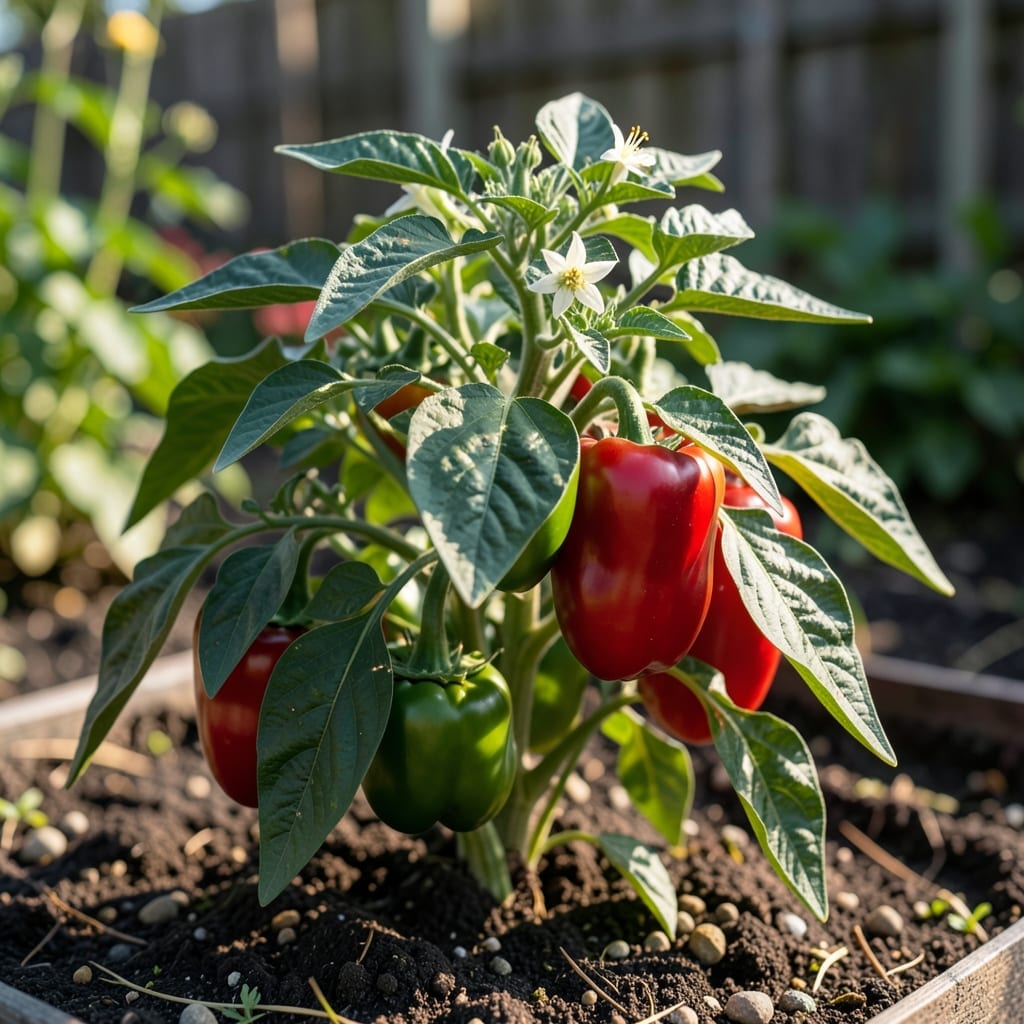
Watching your green 🌶️ Bell Peppers slowly transform into vibrant red jewels is one of gardening’s most satisfying moments. But timing is everything when growing these colorful vegetables.
Understanding when and why they turn red can mean the difference between a mediocre harvest and a bountiful, flavorful crop. The change doesn’t happen overnight – it’s a fascinating process influenced by several factors.
From the moment you plant those seeds in spring, you’re counting down the days. The color shift typically begins after the peppers reach full size, but how long it takes might surprise you.
Discover the timeline and signs to watch for, so you can harvest your Bell Peppers at the perfect moment of ripeness and flavor.
I love watching green bell peppers transform into vibrant red treasures in my garden. This color change signals full maturity, but the timeline varies based on variety and growing conditions. Most take 60-90 days from planting to reach red ripeness.
Understanding the color stages helps me anticipate the harvest. Peppers typically start deep green, then shift to pale yellow or light orange before turning fully red. Each stage reflects increasing sugar content and sweetness.
| Stage | Color | Days After Planting | Notes |
|---|---|---|---|
| Early Growth | Deep Green | 0-50 | Immature, firm texture |
| Maturing | Yellow/Orange | 50-70 | Sweeter, softer skin |
| Fully Ripe | Red | 70-90 | Peak flavor, glossy finish |
The ripening process depends heavily on temperature. Warm 80-85°F days accelerate color change, while cooler below 60°F slows it down. I’ve noticed my peppers ripen fastest during late summer heat waves.
Sunlight exposure also plays a key role. Peppers need 6-8 hours of direct sunlight daily for optimal ripening. Shaded plants often stay green longer or produce pale red fruits with less sweetness.
I’ve found that consistent watering prevents stress that can delay ripening. Drip irrigation works best to keep soil moisture steady. Avoid overhead watering to prevent disease that might affect pepper development.
Fertilizer choices impact the timeline too. I use a balanced 5-10-10 formula early on, then switch to low-nitrogen options as fruits form. Too much nitrogen promotes leafy growth over fruit ripening.
Some varieties naturally ripen faster. Early maturing types like ‘Early Red’ can turn red in 60 days, while larger heirloom varieties may take 90+ days. I always check the seed packet for specific timelines.
The plant’s health affects ripening speed. I’ve seen disease-free plants with strong stems produce red peppers weeks earlier than stressed plants. Regular pruning of lower leaves improves air circulation and speeds maturation.
Finally, remember that harvest timing matters. I pick my first red peppers when they’re fully colored and firm, but leave some on the plant to continue ripening. This encourages the plant to produce more fruits.
With patience and the right conditions, you’ll be rewarded with beautiful red peppers that are as sweet as they are colorful 🌱
I love checking my bell pepper plants daily as the fruits transition from green to red. The color change is the most obvious sign, but there are other clues to watch for too. A deep red hue across the entire pepper is your first confirmation.
Next, I examine the pepper’s skin—it should be smooth, glossy, and firm to the touch. Any soft spots or wrinkles mean it’s either overripe or under stress. Size matters too, as most varieties reach 3-4 inches when fully mature.
The stem connection is another telltale sign. When a pepper is ready, it should detach from the plant with a gentle twist. If you’re pulling hard, it likely needs more time. I also check the plant’s overall health during this phase.
Avoid harvesting too early—green peppers won’t develop their full sweetness. But don’t wait too long either, as overripe peppers can become soft or develop bitter flavors. The ideal window is usually 75-90 days after planting.
I’ve found that morning harvesting works best. The peppers are crispest then, and the cooler temperatures help preserve their texture. Always use clean pruning shears or your hands to avoid damaging the plant.
Remember that weather conditions can affect ripening. Cooler temperatures slow the process, while consistent warmth speeds it up. If an early frost threatens, I’ll harvest all mature peppers, even if they’re not fully red, to prevent loss.